In the world of construction and home improvement, a solid foundation is crucial. For many, this means starting from the ground up. But what about when your project requires you to reach new heights? Enter scaffolding—a pivotal element in construction and DIY projects. Whether you’re a seasoned builder, a weekend warrior, or someone passionate about safety, understanding scaffolding is key to ensuring your projects are safely elevated.
Introduction to Scaffolding
Scaffolding is more than just a temporary structure; it’s a lifeline in construction, allowing workers to perform tasks at heights that would otherwise be unsafe or impossible. This indispensable tool provides stability, access, and flexibility, making it a staple in both professional and amateur building ventures. At its core, scaffolding offers a stable platform for workers, tools, and materials, significantly enhancing productivity and safety on site.
In the bustling world of construction, scaffolding is as ubiquitous as the hard hat. For DIY enthusiasts, it opens up a world of possibilities, enabling ambitious projects like exterior painting or roof chimney repairs. However, with great heights come great responsibilities. Proper understanding and use of scaffolding are essential, ensuring that every project is both efficient and secure.
Types of Scaffolding
When it comes to scaffolding, one size does not fit all. The diverse world of scaffolding offers multiple types, each catering to specific needs and circumstances. Understanding these types is crucial for selecting the right scaffolding for your project.
Supported Scaffolding
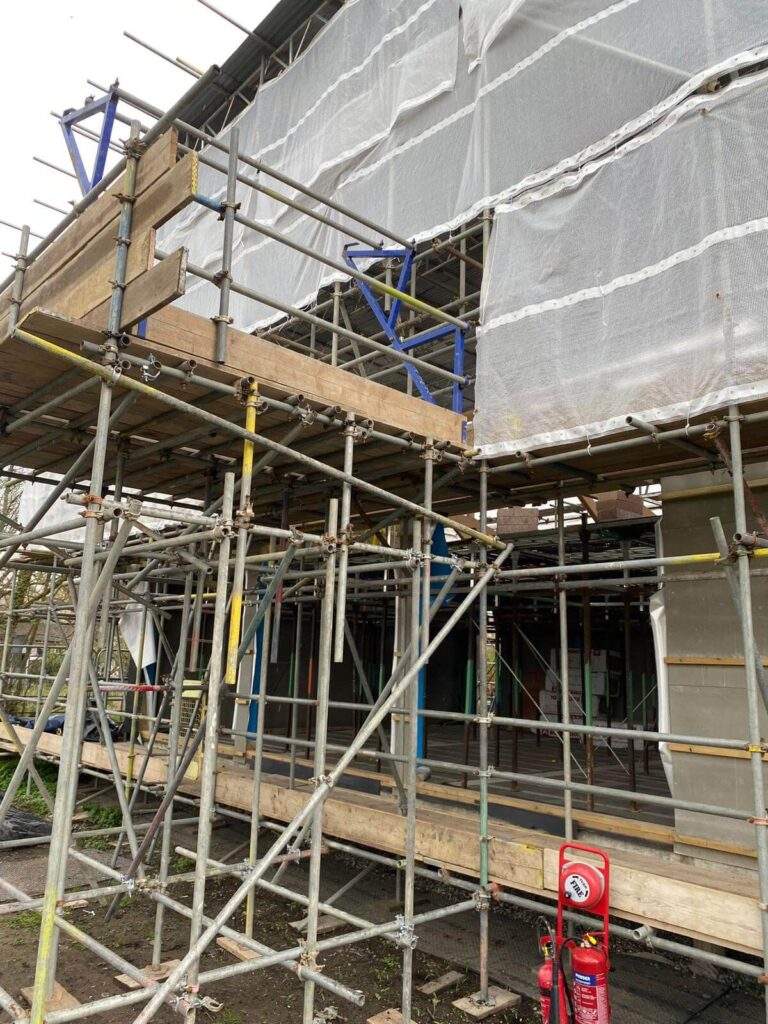
Supported scaffolding is the most common type of scaffolding, standing firmly on the ground or a solid base. This form of scaffolding is ideal for tasks at varying heights and can be conveniently adjusted to meet specific needs. Whether you’re painting a house or constructing a skyscraper, supported scaffolding proves to be incredibly versatile and reliable.
Scaffolding plays an essential role in both residential and commercial construction projects. The sturdy framework ensures workers are safe while allowing easy access to different parts of a building. Its adjustable nature means that scaffold towers can be raised or lowered as required, making it suitable for many applications.
For instance, in house painting, supported scaffolding provides a stable platform from which workers can reach high areas without the risk of falling. Similarly, in large-scale construction projects like skyscrapers, robust scaffolding systems are critical for ensuring that all structural components are accessible during various stages of construction.
In summary, supported scaffolding is an indispensable tool in the construction industry due to its adaptability and stability. By offering safe access to elevated workspaces, this type of scaffolding ensures efficiency and safety across numerous projects.
Suspended Scaffolding
Suspended scaffolding is a unique and versatile solution for accessing high points, particularly essential in tasks such as window washing or exterior repairs on tall buildings. This type of scaffolding is ingeniously designed to hang from the roof or another high point, providing unparalleled flexibility.
One of its primary advantages is the ease with which it can be adjusted in height. Unlike traditional scaffolding, which requires dismantling and reassembling to change levels, suspended scaffolding offers smooth vertical access at the touch of a button or crank. This feature significantly enhances efficiency and safety by reducing the need for workers to constantly relocate the entire structure.
Whether it’s for cleaning those hard-to-reach windows on a skyscraper or undertaking critical maintenance work on high-rise constructions, suspended scaffolding proves indispensable. Its adaptability not only ensures seamless access across various storeys but also minimises downtime, making it a preferred choice among professionals who require reliable and efficient elevated platforms.
Mobile Scaffolding
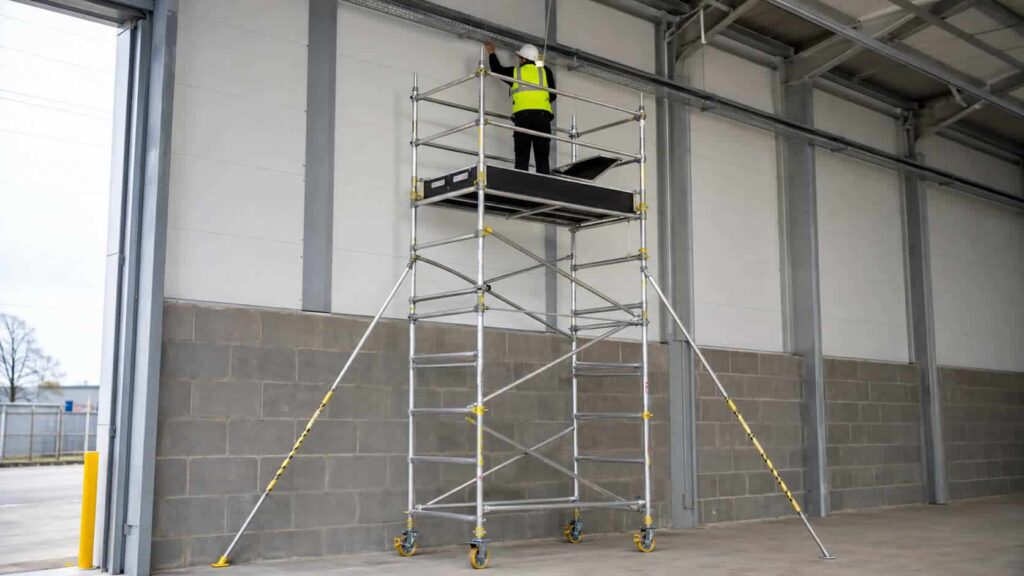
For projects that require frequent movement, mobile scaffolding, equipped with wheels, offers convenience and efficiency. It’s perfect for tasks like indoor painting or electrical work, where repositioning is frequent.
Each type of scaffolding has its unique advantages, and choosing the right one can make all the difference in terms of safety and productivity. Whether you’re working on a small home project or a large-scale construction site, understanding these types will help you make an informed decision.
Activities That Require Scaffolding
Scaffolding plays a critical role in a variety of construction and maintenance tasks, providing the necessary support and access to complete projects safely and efficiently. Here are some activities where scaffolding is indispensable:
Construction and Renovation
Scaffolding is an indispensable facet of construction and renovation projects, regardless of whether a new building is being erected or an old structure is being refurbished. It provides a stable and secure platform for workers to perform essential tasks at significant heights, such as bricklaying, plastering, or window installation.
By ensuring that work can be carried out safely and efficiently, scaffolding plays a critical role in the overall success of construction and renovation efforts. The structure allows multiple tradespeople to execute their tasks simultaneously across different levels of the building, thereby speeding up the project timeline. Additionally, modern scaffolding systems have evolved to include various safety features like guardrails and toe boards, further mitigating workplace hazards.
For any construction site aiming to maintain high standards of safety while achieving efficient workflow management, understanding the importance of well-constructed scaffolding can’t be understated. From minor refurbishments to large-scale constructions, investing in quality scaffolding solutions ensures that projects progress smoothly while safeguarding the well-being of those who contribute their expertise and labour.
Painting and Decorating
Scaffolding plays an integral role in the painting and decorating industry, providing essential support and safety measures for professionals. Whether it’s applying a fresh coat of paint to a commercial building or undertaking intricate decorative work on a historic site, scaffolding ensures that painters and decorators have the stability they need to carry out their tasks efficiently and securely.
The benefits of scaffolding are numerous. It allows painters to reach high and otherwise inaccessible areas with ease, ensuring even coverage without compromising safety. Additionally, it offers a stable working platform that can accommodate multiple workers at various levels, significantly enhancing productivity.
For intricate decorative projects on heritage buildings or historical landmarks, scaffolding is indispensable. It enables craftsmen to access detailed architectural features safely while maintaining precision in their art.
In essence, scaffolding not only provides access but also fosters a safe working environment where painters and decorators can focus on delivering top-quality work without risking their well-being.
Maintenance and Repairs
Routine maintenance tasks, such as roof repairs, gutter cleaning, or facade restoration, often require the use of scaffolding. This essential structure allows easy access to hard-to-reach areas, ensuring that maintenance crews can perform their duties efficiently and safely. Scaffolding isn’t just a tool; it is an indispensable component in maintaining the integrity and aesthetics of buildings.
Scaffolding provides stability and support for workers conducting roof repairs at elevated heights. It ensures they can move freely while keeping tools and materials within reach. Similarly, gutter cleaning becomes significantly safer with scaffolding, as it offers a solid platform from which workers can operate without risking their balance.
Facade restoration also greatly benefits from scaffolding. Whether it’s cleaning exterior walls or performing detailed masonry work, scaffold structures enable technicians to carry out precise tasks while ensuring structural safety.
Incorporating scaffolding into your maintenance strategy not only enhances worker safety but also contributes to the longevity and beauty of your property.
Importance of Proper Installation and Use
When it comes to scaffolding, the importance of proper installation and use cannot be overstated. Scaffolding is a powerful and essential tool in construction, enabling workers to perform tasks at height efficiently and safely. However, these benefits are only realised when scaffolding is installed correctly and used appropriately.
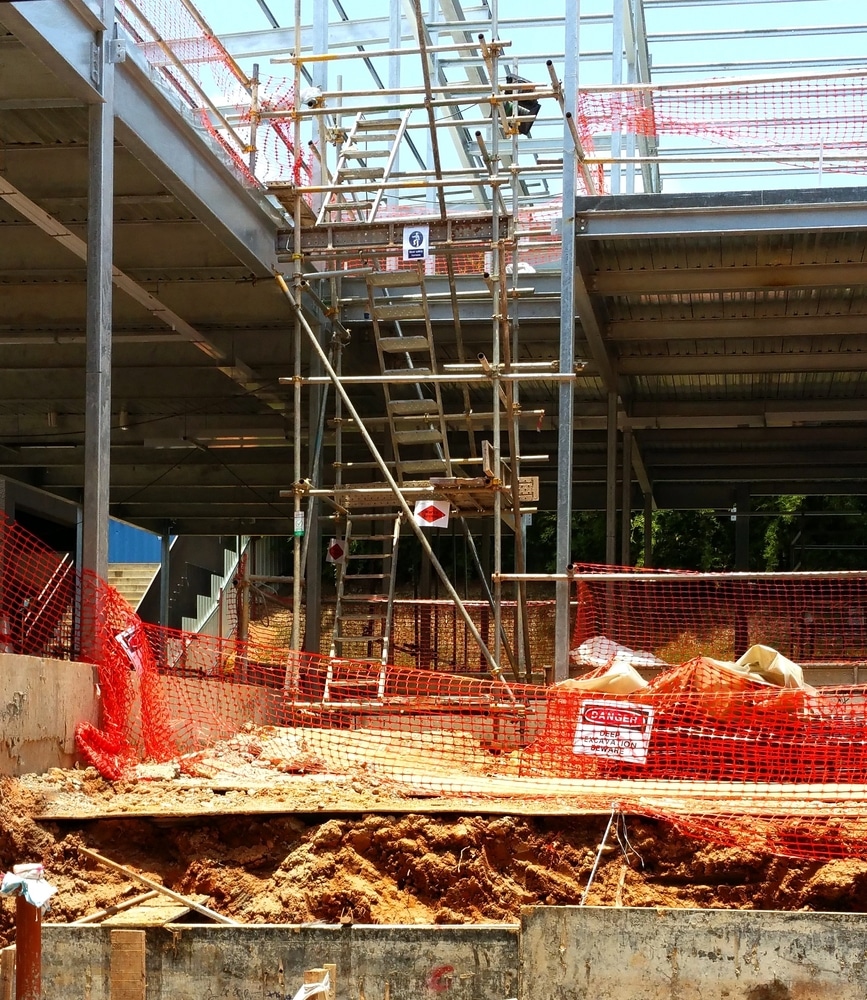
Safety is the primary concern when dealing with scaffolding. Adhering to established regulations and best practices is crucial for preventing accidents and ensuring smooth operations on-site. Proper installation involves securing all components firmly, performing regular inspections, and making necessary adjustments to maintain stability.
Using scaffolding correctly also means understanding its limitations and not overloading it beyond the recommended weight capacities. Workers must be trained in safe practices for mounting, dismounting, and working on scaffold structures to minimise risks.
In summary, while scaffolding offers significant advantages in construction work, those benefits hinge entirely on correct installation procedures and conscientious use. Prioritising safety by following all guidelines helps protect workers and contributes to the project’s overall success.
Correct Installation
When it comes to scaffolding, a well-installed structure is synonymous with safety and reliability. Ensuring proper assembly, anchoring, and leveling are not just best practices but vital steps in preventing potentially disastrous collapses. Each component must be meticulously placed and securely fastened to guarantee that the scaffold can withstand the stresses encountered during use.
Anchor points should be strategically positioned to stabilise the scaffold, while level brackets ensure even weight distribution across the entire framework. These measures collectively play a significant role in maintaining structural integrity.
Furthermore, training workers in correct installation procedures is not just advisable but essential. By investing in comprehensive training programmes, companies can significantly enhance site safety and operational efficiency. Properly educated employees are better equipped to recognise potential hazards early on and apply industry standards effectively.
Ultimately, adhering to these guidelines ensures that scaffolding not only meets safety compliance but also contributes to a smoother workflow on construction sites. Scaffolding done right is an investment in both productivity and protection for all involved.
Best Practices
Adopting best practices for scaffolding use can significantly enhance both safety and productivity on construction sites. Key measures include using the correct equipment, ensuring weight limits are strictly adhered to, and providing comprehensive training and protective gear for all workers.
When it comes to equipment, selecting the right type of scaffolding is crucial. This involves considering factors such as height requirements, load capacities, and the specific tasks to be performed. It’s essential to regularly inspect scaffolding components for wear and tear, ensuring they meet safety standards.
Weight limits should never be exceeded; overloading scaffolding can lead to catastrophic failures. Proper planning involves calculating the cumulative weight of materials, tools, and workers to avoid accidents.
Training is another vital element of best practices in scaffolding use. Workers should be educated in scaffold erection procedures, risk assessment, and emergency response protocols. Additionally, providing appropriate personal protective equipment (PPE) such as helmets and harnesses further mitigates risks.
Case Studies and Success Stories
Real-life examples highlight the transformative power of scaffolding, showcasing its role in successful projects across the globe. These case studies provide valuable insights and inspiration for those looking to harness the full potential of scaffolding.
One notable instance is the restoration of the historic Big Ben in London. Scaffolding played a crucial role in enabling workers to safely access all parts of the clock tower, ensuring meticulous repairs and maintenance were carried out with precision. The intricate design of the scaffolding allowed for both stability and flexibility, demonstrating its vital role in preserving heritage sites.
Another exemplary project is the construction of The Shard, also in London. During its erection, advanced scaffolding systems were employed to provide secure working platforms at dizzying heights. This safeguarded workers while allowing continuous workflow, underscoring how modern scaffolding solutions can adapt to towering structures.
These success stories underline that scaffolding is not merely a support structure but an essential component in executing complex architectural feats safely and efficiently. By studying these cases, one can draw valuable lessons on optimising scaffold use to meet specific project needs and achieve outstanding outcomes.
Urban Renewal Project
In a bustling city, a major urban renewal project aimed to revitalise historic buildings. Scaffolding played a pivotal role in providing access to the facades, allowing workers to restore intricate architectural details safely and efficiently. This essential infrastructure enabled skilled artisans to reach otherwise inaccessible areas, ensuring that each element was meticulously preserved or restored.
From the initial planning stages, the implementation of scaffolding was seen as crucial for both the safety of workers and the integrity of the buildings. The structures allowed craftsmen to thoroughly inspect and repair stonework, woodwork, and other delicate elements without causing additional damage.
The use of innovative scaffolding systems also facilitated faster progress, as they could be easily reconfigured based on specific project needs. This adaptability proved invaluable when unexpected challenges arose, allowing teams to make necessary adjustments quickly.
Thanks to this foresight and meticulous execution, the urban renewal project was completed ahead of schedule. The restored buildings now stand as proud testaments to their historical legacy while meeting modern safety standards. This successful endeavour showcases how essential tools like scaffolding can bridge the gap between preserving heritage and accommodating contemporary urban development needs.
Residential Renovation
When a family home undergoes a major renovation, such as replacing the roof and repainting the exterior, scaffolding becomes an essential component of the project. In this particular instance, extensive scaffolding was required to facilitate these significant improvements.
By opting for mobile scaffolding, the contractors were able to navigate seamlessly around the property. This mobility minimised disruption for the family and ensured a smooth and efficient renovation process. Unlike traditional fixed scaffolds, mobile scaffolding can be easily adjusted and repositioned as needed, making it particularly useful for extensive residential projects.
The use of this flexible scaffolding system not only enhanced safety but also allowed contractors to complete their tasks more swiftly. From secured access to elevated areas to steady support for equipment and materials, mobile scaffolding proved invaluable in maintaining both speed and quality throughout the renovation.
Large-Scale Construction
On a massive construction site, scaffolding was integral to building a state-of-the-art skyscraper. By employing advanced scaffolding systems, the construction team maintained safety and productivity, completing the towering structure on time and setting new standards for efficiency.
These success stories underscore the importance of choosing the right scaffolding and adhering to best practices. By doing so, construction professionals and DIY enthusiasts can achieve remarkable results, transforming their visions into reality.
Scaffolding is more than just a temporary structure; it’s a vital component of successful construction and maintenance projects. By providing stability, access, and flexibility, scaffolding enables professionals and DIY enthusiasts to reach new heights safely and efficiently.
Whether you’re working on a small home renovation or a large-scale construction project, understanding the types of scaffolding and their uses is crucial. Equally important is the commitment to safety, ensuring that scaffolding is installed correctly and used responsibly.
We encourage you to share your experiences with scaffolding or seek professional advice if you’re planning a project that requires it. By doing so, you’ll not only enhance your knowledge but also contribute to a community of safety-minded and innovative builders.
For those looking to explore more, additional resources and expert guidance are available to help you make the most of scaffolding in your projects. Together, let’s elevate our work and achieve new heights of success.
If you are searching for Scaffolders in Crawley and surrounding areas, contact Stellar Scaffolding for more information.