Replacing windows can be a home improvement project that significantly impacts your comfort, energy efficiency, and aesthetics. Whether you’re a homeowner looking to upgrade your residential space or a business owner aiming to enhance your commercial property, safety and efficiency are paramount. One of the primary considerations during window replacement is whether or not you need scaffolding. In this post, we’ll provide clear instructions to help you determine the necessity of scaffolding for your window replacement project.
Assessing the Need for Scaffolding
- Consider the Height
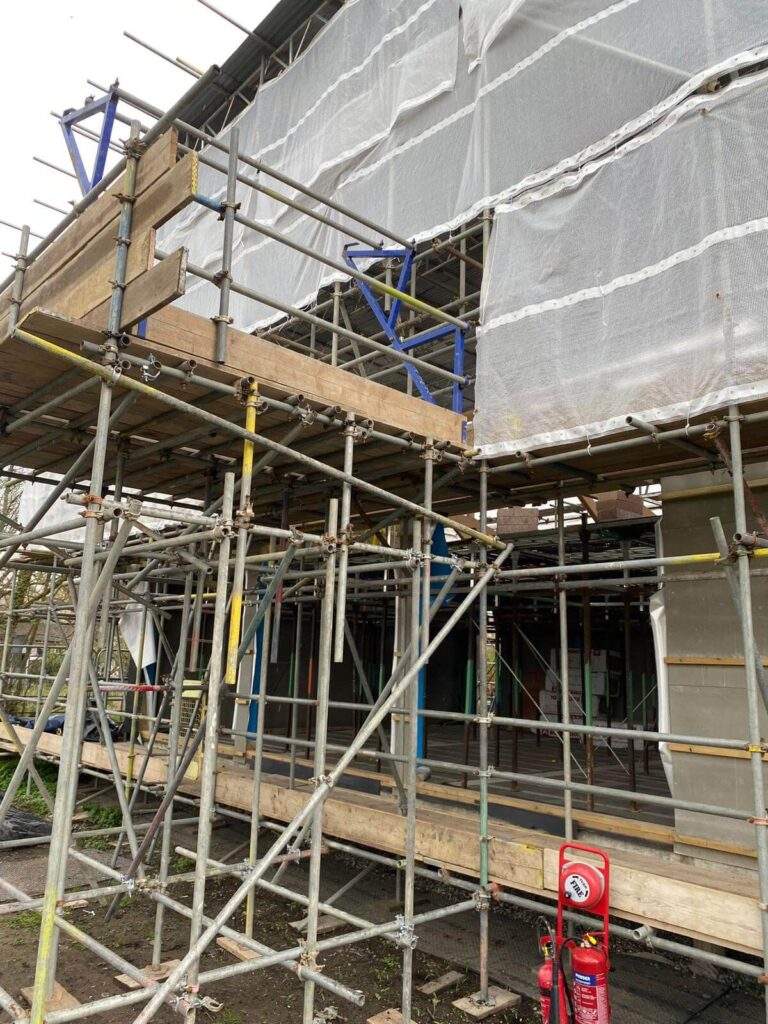
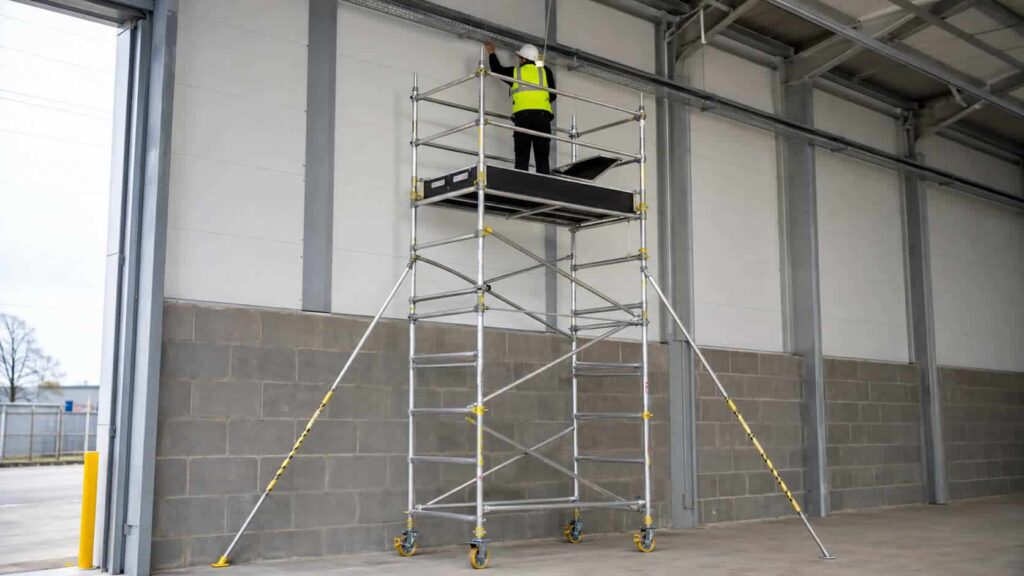
The most crucial factor in deciding if you need scaffolding is the height of the windows you’re replacing. Ground-floor windows often do not require scaffolding, as they are easily accessible from the ground or via a ladder. However, for windows located above the first story, scaffolding may be necessary to ensure a safe and stable platform for the workers.
- Evaluate Safety
Safety should always be your top priority. Even for windows on the first floor, if the ground below is uneven or there’s a lack of space for a secure ladder footing, then a scaffold might be the safer option. The added stability of scaffolding provides a secure workspace, especially when dealing with heavy window frames and glass.
- Assess the Scope of Work
If you’re replacing multiple windows or if the project is expected to take more than one day, scaffolding can be beneficial. It provides easy access to the work area without the need to move and set up ladders multiple times, and it can accommodate multiple workers simultaneously, potentially speeding up the project.
- Local Regulations and Permits
Some local authorities may have regulations that require scaffolding for any type of work at a certain height. Before you begin your project, check with your local building authority to understand the legal requirements and see if a permit is needed.
- Professional Recommendations
Consult with the professionals who will be carrying out the work. Window installation experts can provide recommendations based on their experience with similar projects. They can assess on-site conditions and advise whether scaffolding is necessary for your particular situation.
Alternatives to Scaffolding
For less complex jobs or where scaffolding may not be practical or cost-effective, consider these options:
- Ladders: A suitable choice for lower-height windows or quick replacements.
- Mobile Elevated Work Platforms (MEWPs): These can include scissor lifts or cherry pickers and are excellent for accessing higher windows safely.
Hiring Scaffolding
If you determine that scaffolding is required for your window replacement, follow these steps to ensure you hire a reputable service:
- Get Multiple Quotes
Contact several scaffolding companies to compare prices and services offered.
- Check Reviews and References
Look for companies with good reviews and ask for references from previous jobs similar to yours.
- Insist on Insurance and Certifications
Ensure that the scaffolding company has the necessary insurance and certifications to undertake the job safely and legally.
- Understand the Costs
Discuss the costs upfront, including how long the scaffolding will be in place and the cost of additional days if the project overruns.
- Schedule Properly
Plan the scaffold installation and dismantling to coincide with the window replacement schedule to minimise disruptions.
How to Set Up Scaffolding for Windows
Scaffolding setup requires specific expertise and training to ensure it’s done correctly and safely, and any mistakes can lead to serious injury or even death.
It’s crucial to prioritise safety and avoid attempting DIY scaffolding setup, especially for tasks on higher floors or complex scaffolding projects. Here’s what I recommend instead:
- Hire qualified professionals:
- Engage a licensed and insured scaffolding company with experience in your specific window project. They possess the necessary expertise and equipment to ensure proper setup and dismantling of the scaffolding, adhering to all safety regulations.
- This approach safeguards you and others from potential risks and provides peace of mind knowing the work is done professionally.
- Consult with window installation experts:
- During the window installation consultation, discuss the access needs with the professionals. They can assess the situation and determine if scaffolding is essential and, if so, handle its arrangement with qualified partners.
- This ensures seamless coordination between window installation and scaffolding setup, guaranteeing both tasks are carried out safely and efficiently.
- Prioritise safety:
- Never attempt DIY scaffolding setup, especially for complex projects or higher floors. The risks are simply too high, and potential consequences can be severe.
- Always prioritise safety by entrusting scaffolding setup to licensed professionals who possess the training and experience to do it right.
Remember, safety should always be the top priority. By involving qualified professionals, you can ensure your window project is completed safely and efficiently.
Is It A Legal Requirement To Have Scaffolding To Replace Windows?
When contemplating window replacement, particularly at height, one might wonder about the legal stipulations concerning scaffolding. The necessity for scaffolding is not dictated by a universal legal requirement but is determined by a risk assessment, which considers the safety of the workers and the public.
For instance, in the UK, the Health and Safety Executive (HSE) provides guidelines that imply scaffolding may be required if it is the safest way to perform the job without risk of fall or injury. There are different methods to replace windows, such as using ladders or mobile elevating work platforms, but they come with their own set of safety considerations.
Thus, while scaffolding is not a legal requirement for window replacement across the board, it becomes a compliance issue when a risk assessment indicates it as a necessary precaution to prevent potential accidents or injuries on-site.
Can You Replace Windows From The Inside?
Certainly, window replacement can be performed from the inside of a building, which is often necessary when dealing with high-rise apartments or office structures where exterior access is limited. Interior window replacement involves carefully removing the existing window frame before installing the new one, ensuring that measurements are precise to avoid drafts or inefficiencies.
During this process, professionals also manage any potential interior disruptions such as moving furniture, protecting interior surfaces, and preventing the spread of dust. However, not all windows are suitable for internal replacement, and sometimes external work is requisite to secure a proper fit, especially if structural changes are anticipated or if the exterior trim needs replacement as well.
When considering window replacement, it is prudent to consult with specialists to determine the best approach for your specific situation.
What Type Of Windows Will Require Scaffolding?
Windows that typically require scaffolding for installation, maintenance, or cleaning are those situated on higher floors of a building, particularly when they extend beyond a single story. Such windows might include expansive picture windows on upper levels, bay windows that jut out from the building’s facade, or skylights positioned on steep and difficult-to-access rooflines.
Additionally, windows that don’t open outwards, making them unreachable from the inside, and those in areas where the use of ladders is impractical or unsafe due to the terrain, landscaping, or architectural obstacles, also necessitate the use of scaffolding. It’s vital to ensure safety and compliance with local regulations when determining whether scaffolding is required for any window-related work.
Will You Need Scaffolding To Replace Windows If You Live In A Flat?
When residing in a flat and facing the task of window replacement, the necessity for scaffolding can depend on various factors such as the height of your building, accessibility, and safety regulations. In many cases, scaffolding is required as a safe platform for the workers to perform their task adequately and to ensure the safety of passers-by and property, especially when the windows are not easily reachable from the inside.
However, for lower floors or situations with specific architectural features, alternatives like using a mobile elevated work platform might be considered. Regardless, one should consult with a professional window installation company and adhere to local building codes and regulations to determine the most suitable and compliant method for replacing windows in a flat.
Conclusion
Deciding if you need scaffolding for your window replacement project is not a simple yes or no answer; it is dependent on several factors. Consider the height, safety, scope of work, local regulations, and professional advice before making your decision. Safety should never be compromised, so if in doubt, opt for scaffolding to guarantee a secure and efficient work environment.
Remember, while scaffolding might add to the initial cost, the added safety and efficiency can be invaluable, potentially saving time and ensuring the protection of workers and your property during the window replacement process.
If you are searching for Scaffolders in Basingstoke and surrounding areas, contact Stellar Scaffolding for more information.