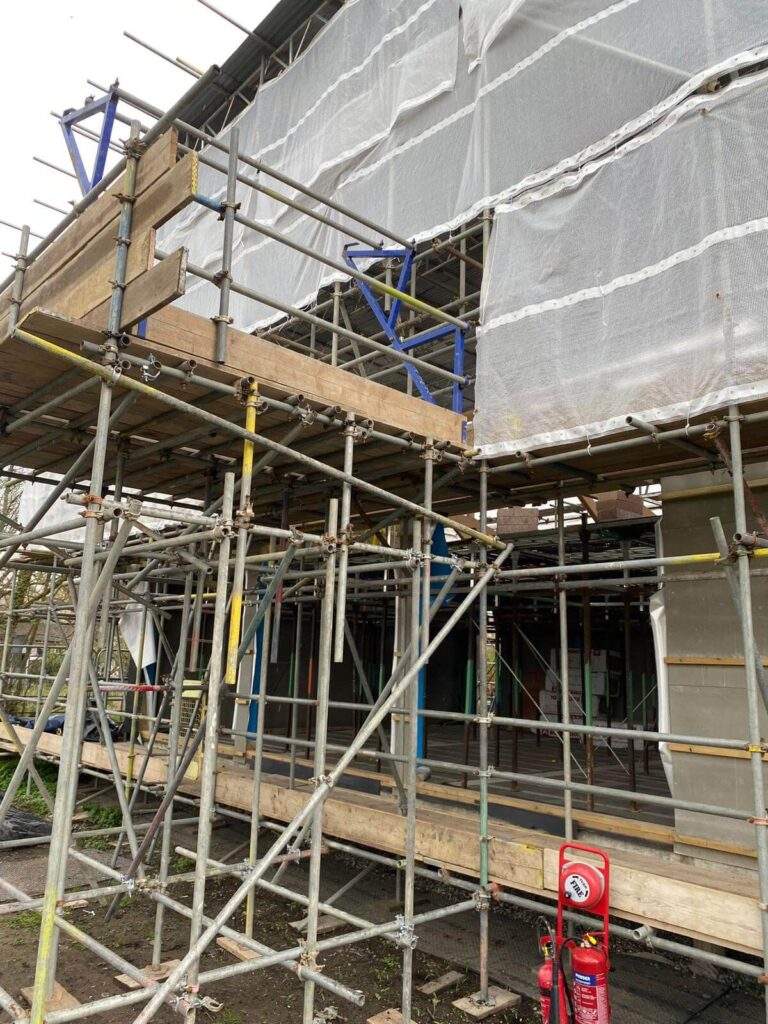
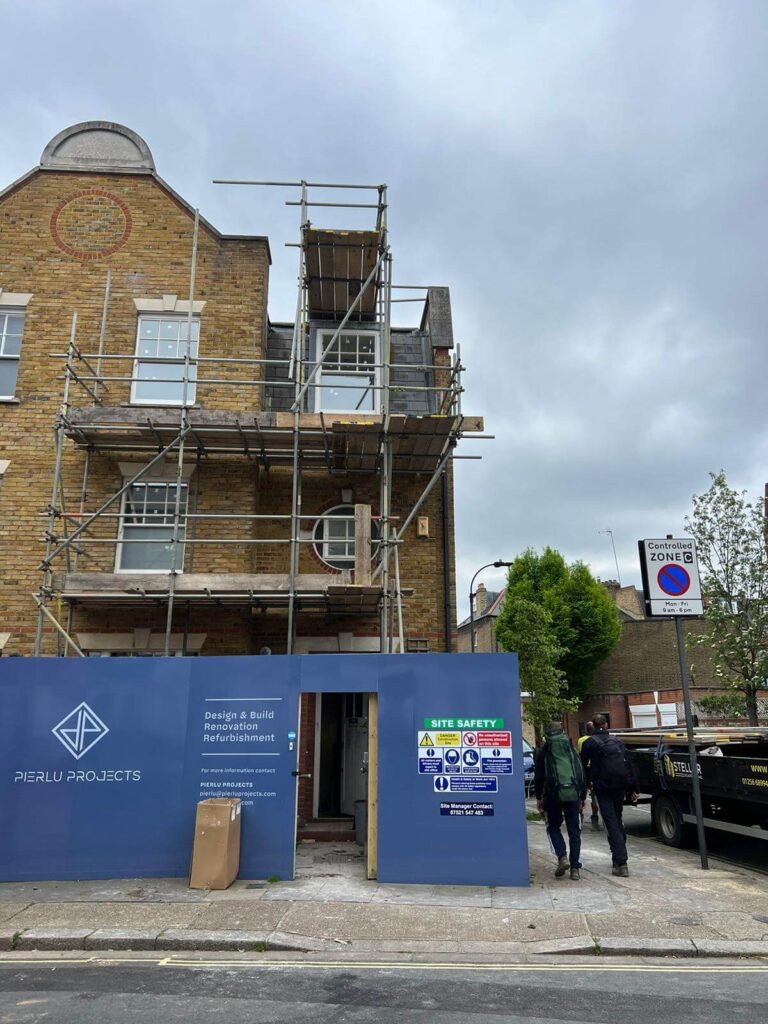
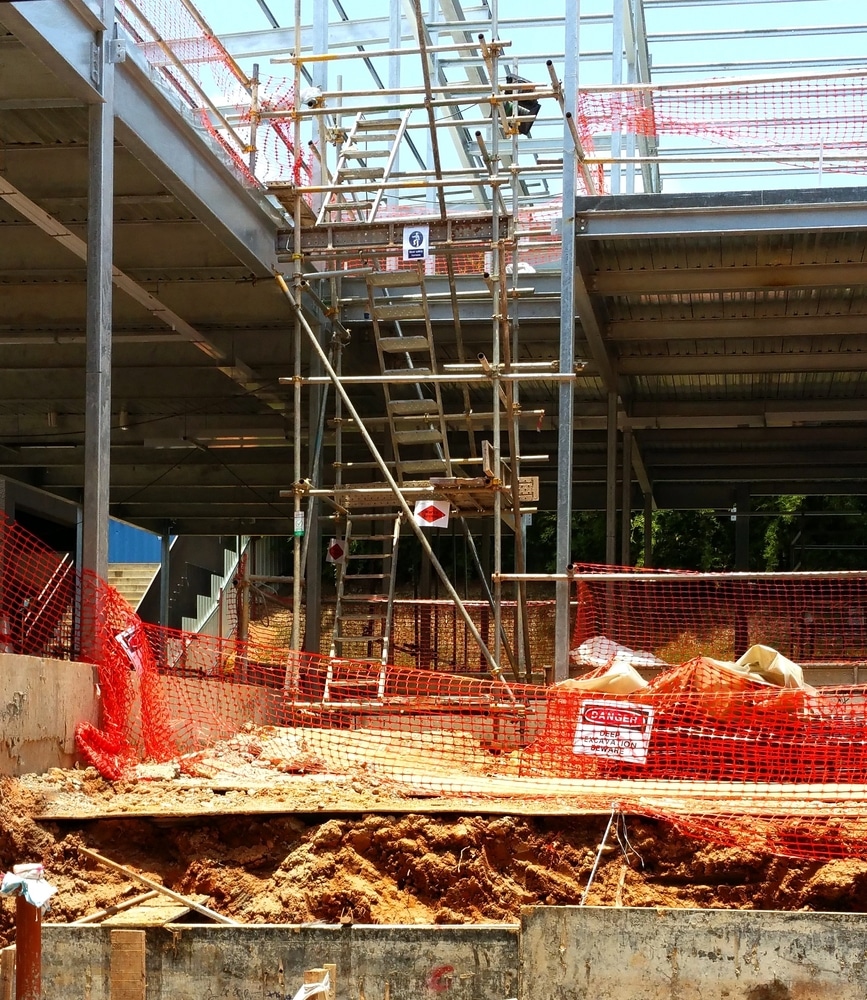
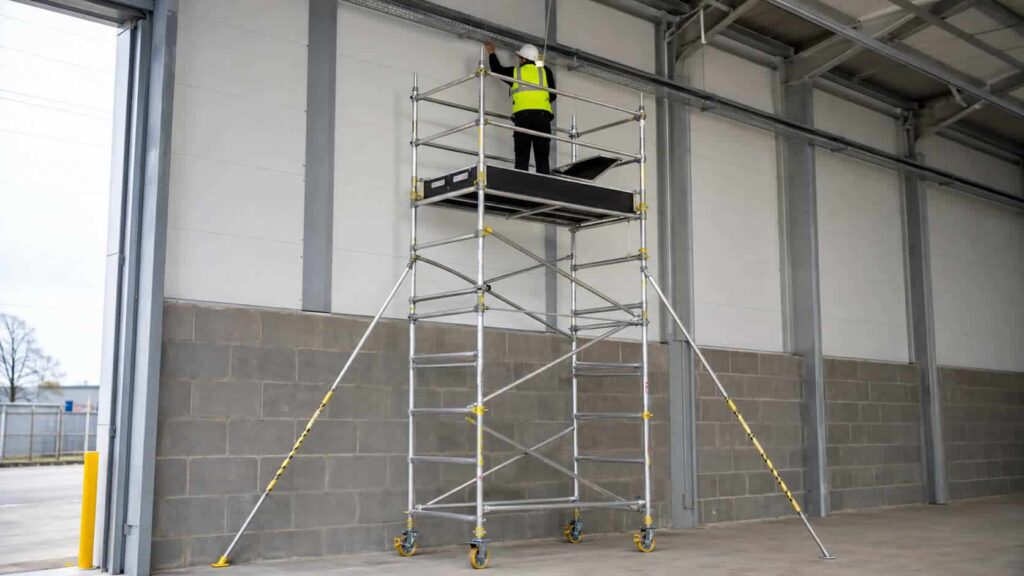
Scaffolding is a very useful and important tool in the construction industry. Many professionals in various fields use it, and it has been around for a while. This article will help you understand the hazards of working on scaffolding.
The main hazard of working on scaffolding is that it can collapse if not properly erected or maintained. The structure of a scaffold can be made up of wood, steel, or aluminium material, but it needs to be strong enough to hold all the weight of the people who are working on it. There are specific safety measures that should be taken before you start any kind of work at height, such as wearing fall protection equipment such as harnesses, lanyards, and safety lines, making sure that all ropes are appropriately tied and securely so they don’t come loose and cause accidents while working at heights, and making sure that everyone knows how to safely use these kinds of equipment and follow all rules when using them.
Scaffolding can be either temporary or permanent, depending on the situation. Temporary scaffolding is usually made out of lightweight materials like aluminium, steel, wood, etc, which are easy to transport and assemble. The use of scaffolds has increased significantly in recent times, as they help reduce construction costs by up to 50%. They also increase safety while working at heights compared to working directly from ground level.
This is why it is so important to get the professionals in so we can safely set up your scaffolding and advise you on further health and safety procedures.
Falls
This is probably the most considerable risk involved with working on scaffolding. You might accidentally fall or trip, or your equipment may fail and cause an accident. If there is no roof on top of your scaffold, this could result in severe injury or death.
Falling from a height is one of the most common causes of injury in construction work. A fall can cause serious injuries, including traumatic brain injuries (TBIs), broken bones and even death. Falls are hazardous when they occur from heights greater than six feet. In addition to falling, there are other potential causes of TBIs in construction workers, such as being struck by tools or equipment or being hit by falling objects.
Inadequate support
If workers use inadequate supports, such as single poles or boards, they can be injured if their equipment or materials fall off the scaffold.
Scaffolding is the cornerstone of worksite efficiency and safety in the fields of building and maintenance. That being said, when scaffold structures are not adequately supported, a concerning issue occurs.
The use of solitary poles, unstable boards, or any other compromised materials risks the integrity of the entire worksite and increases the likelihood of dangerous falls.
In the event of catastrophic equipment or material breakdown due to inadequate scaffolding support, workers are in grave danger of suffering serious injuries or worse.
Strong scaffold supports are vital, not just because of safety requirements but also because of their primary duty to ensure the well-being and confidence of each person climbing these transient but necessary constructions.
Working too high
Scaffold work at heights has inherent risks that need to be understood and handled carefully, especially for inexperienced workers. It is critical to realise that going above a safe and manageable height without the necessary expertise and experience can have disastrous results.
The main worry is that inexperienced people would misjudge the difficulties and risks associated with high-altitude activities, which would leave them vulnerable to falls that could cause serious injuries or even fatalities.
Our unwavering dedication to safety emphasises the crucial importance of following strict safety guidelines and receiving intensive training to guarantee that everyone operating at heights does so with the highest level of security and confidence.
Inadequate safety equipment
Few issues in the field of occupational safety are as crucial as scaffold safety equipment. It is essential to understand that although one may function under the presumption that employers will always provide sufficient protection for their employees, the actual situation may sometimes diverge from this expectation.
As such, it becomes the individual’s responsibility to make sure they have the appropriate safety equipment on hand. When workers are outfitted with goggles, gloves, and hard hats, they can protect themselves from the frequent dangers of the construction site.
Additionally, the use of ropes and harnesses is not an optional feature but rather an essential requirement. These safety nets provide crucial protection against the risk of falls, which can result from unanticipated equipment failures or even a brief loss of balance.
They are not only accessories. Therefore, making a personal investment in safety equipment goes beyond simple precaution; it emphasises an employee’s right to a workplace free from hazards and an employer’s obligation to support that right.
Falling objects
It is essential to implement a strict set of safety procedures in order to avoid risks resulting from falling objects. To reduce the chance of unintentional falls, scaffolders should make sure that all equipment and materials are safe and that debris is routinely removed.
To provide an extra degree of security and protect individuals below, as well as the workers on the scaffold, guardrail systems, screens, and toe boards can be used.
Maintaining a safety-first mentality and exercising constant caution is not only your duty but also an investment in the health and welfare of your employees and the successful completion of your building project.
Electrocution
Employees exposed to live wires face the danger of electric shock, with electrocution being a common hazard when using a scaffold. If the scaffold allows electricity to flow freely or damages the wires, the risk escalates significantly.
Electrocution can occur if you come into contact with electricity while working on scaffolding. This could be from faulty wiring or other electrical equipment, such as lights or power tools.
Electrical hazards can be severe in construction environments because many electrical circuits have been damaged during storms and other natural disasters over the years. Damaged wiring may not be readily visible but could still present a risk for shock burns or electrocution if touched improperly.
On building sites, scaffolding electrocution is a significant risk that can be avoided with appropriate awareness and preventive measures. It is a potentially fatal hazard. For the safety of the workers, scaffolding must be placed at least ten feet away from any electrical power lines; this is a key distance that can literally save lives.
Using Ground Fault Circuit Interrupters (GFCI) with all electrical tools and lighting on or near scaffolds adds a crucial layer of safety. This lowers the possibility of current leakage, which can result in electrocution.
Another defence against unanticipated electric shocks is to ground the entire scaffold structure by firmly securing all metal parts, diverting potentially harmful currents away from workers. Additionally, it is best to avoid using scaffolds during lightning storms.
Stellar Scaffolding can sweep the area completely to ensure that there are no live cables near your scaffolding.
Overloading
Respecting the designated weight limitations on scaffolding is not only advised but also a strict safety necessity. When certain boundaries are crossed, structural integrity may be compromised, potentially leading to catastrophic failure and injuries.
Users must not only be aware of the maximum weight recommendations, which include the weight of all workers, tools, and materials combined but also follow them religiously. Scaffolding maintains its dependability by being a platform that is monitored for loads and weights distributed uniformly.
Thus, meticulous attention to detail and unwavering adherence to safety regulations are the cornerstones of averting mishaps and upholding a safe workplace.
Slips and trips
Getting across several tiers of scaffolding requires extreme caution because stumbles and falls are more common in these situations.
Professionals understand these hazards and the value of exercising due care, particularly in situations where scaffolding becomes slippery and dangerous. In order to reduce these risks, people must wear non-slip shoes with solid traction and move forward while paying close attention to their surroundings.
Both maintaining a culture of alertness on site and ensuring individual safety depends on moving on scaffolding with deliberate steps and thoughtful posture.
Weather conditions
Working on scaffolding in bad weather can be dangerous. Wind, rain, and snow can all make scaffolding more unstable and increase the risk of accidents.
In order to reduce the risk of injury or death when working on scaffolding, it is important to follow safety protocols. Workers should always wear a safety harness and be properly secured to the scaffolding. The scaffolding should be inspected regularly and any defects should be reported and repaired immediately. Additionally, workers should be aware of their surroundings and stay away from power lines. Finally, workers should be trained in proper scaffolding safety procedures.
Scaffold Collapse
The recent collapse of a scaffold serves as a clear reminder of how crucial safety precautions are in the construction industry. Scaffold systems must be stable for the benefit of all nearby residents and onlookers, as well as the workers who depend on them daily.
Careful planning is required prior to the construction of any scaffold. Verifying that the building can sustain the weight of the people and items it will hold in addition to its own weight is essential.
The stability of each scaffold’s foundation must be evaluated, the work area must be placed safely away from power lines, and the boards must be fastened and spaced appropriately. Strict adherence to tie-in protocols can also offer further assurance of general safety.
Scaffold Damage
The recent scaffolding damage incident has raised concerns and brought increased attention to safety inside the confines of the building project. The scaffolding, a transient but necessary fixture, has seen structural degradations that not only cause significant delays to our schedule but also underscore the urgent necessity for strict safety protocols.
The disintegration of individual pieces, like the rusting of metal components or the splitting of wooden boards, highlights the possible risk to the workers who depend on this structure’s dependability on a regular basis. Recognising that safety is the result of meticulous planning and constant attention to detail, we are conducting stringent routine inspections to guarantee the scaffolding systems’ continuous integrity.
We are assigning these inspections to an experienced supervisor who has received specialised training to identify wear and tear indicators that could jeopardise the scaffold’s stability. Simultaneously, we are giving our staff members the authority to report any damages right away to create a culture where everyone actively contributes to ensuring safety.
We are steadfast in our dedication to safety because we know how important it is to the accomplishment of our goals. As a result, we have promised to improve our operational procedures in order to reduce future risks and address the immediate issues that arose after the damage.
We are confident that by exercising professional attention and mindfulness as a team, we can preserve a safe environment that safeguards our most precious resource—our people.
Lack of Guardrails
A scaffold guardrail is a serious error that can seriously jeopardise worker safety and project productivity, especially on platforms longer than five feet. Industry standards recommend guardrails as a crucial safety measure, but people frequently disregard this advice.
The repercussions are severe; falls, especially those that occur from low heights of 10 feet or less, sometimes result in catastrophic casualties. Guardrails are a necessary control mechanism that ensures precious human lives are adequately safeguarded from preventable accidents and maintains the integrity of project timetables.
Guardrail installation must be given first priority at sites to protect against these hazards and demonstrate dedication to a safe and professional work environment.
If you are searching for Scaffolding in Hammersmith and surrounding areas, contact Stellar Scaffolding for more information.