
Scaffolding Clapham
Scaffolding Clapham – Practical Access for Homes, Shops, Flats and Building Projects
Scaffolding in Clapham often needs to do more than provide height access. It has to fit around lived-in homes, busy roads, tight terraces, basement conversions, shopfronts, shared entrances and active building sites where space is rarely generous. Stellar Scaffolding helps homeowners, landlords, trades and contractors arrange safe scaffold access that suits the property, the work involved and the surroundings.
Clapham has a broad mix of building types, from Victorian and Edwardian houses near Clapham Common to apartment blocks, commercial premises, converted flats and modern infill developments. A scaffold for a roof repair on a narrow residential street will not need the same arrangement as a scaffold for a shop refurbishment, a managed block, a loft conversion or a full external renovation.
Good scaffolding planning gives tradespeople proper room to work while helping to control disruption for residents, neighbours, pedestrians and site visitors. It also reduces the temptation for unsafe ladder work, rushed access decisions or poorly protected working areas.
A well-built scaffold can support several parts of a Clapham project:
- Controlled access at height — Secure platforms allow roofers, renderers, decorators, brickwork teams and maintenance contractors to work from a stable position.
- Safer movement around the site — Proper ladders, loading points and working lifts make it easier for workers to move tools and materials without unsafe shortcuts.
- Protection for people below — Guardrails, toe boards, netting and planned exclusion zones help reduce risk around pavements, entrances, gardens and shared access paths.
- Less disruption for occupied buildings — Scaffold layouts can be arranged to preserve reasonable access to front doors, flats, commercial entrances and neighbouring properties.
- Better support for phased work — Longer refurbishment or conversion projects often need scaffold adaptations as roofers, builders, window fitters and decorators move through the job.
Where the work involves higher-risk roof edges or exposed elevations, Stellar Scaffolding can also provide reliable edge protection for safer roofline access, helping trades work with clearer boundaries and more secure platforms.
Professional Scaffolding Services in Clapham
Our scaffolding services in Clapham are planned around the actual conditions on site. Before scaffold is erected, the building layout, access points, roofline, ground surface, neighbouring boundaries and working requirements all need to be considered. This helps create a structure that is safe to use and practical for the trades carrying out the work.
Some projects only need a small access scaffold for maintenance or inspection. Others require full elevations, rear access, bridged sections, pavement-facing protection or loading areas for heavier materials. Clapham properties can also involve awkward access through side passages, tight gardens, basement areas or shared entrances, so early planning makes a real difference.
Stellar Scaffolding supports a range of project types, including:
- Roof repairs and replacements — Scaffold access gives roofers a stable working platform for slates, tiles, leadwork, guttering, fascias, chimneys and dormers.
- Exterior decoration and repairs — Painters, renderers and brickwork contractors can work more accurately when platforms are set at the right working height.
- Loft conversions and extensions — Additional lifts can help builders reach new roof structures, dormer faces, steels, windows and external finishes.
- Flat and block maintenance — Managed buildings often need scaffold arrangements that consider residents, communal entrances and access for multiple trades.
- Commercial refurbishment — Shops, offices, hospitality units and mixed-use buildings may need scaffold that protects staff, customers and pedestrians while work continues.
- Waste movement from height — Larger refurbishment projects can benefit from safe rubbish chute systems for controlled waste removal, especially where materials need to be moved down without blocking stairwells or entrances.
The right scaffold design helps the job run with fewer interruptions and gives everyone on site a clearer, safer way to work.
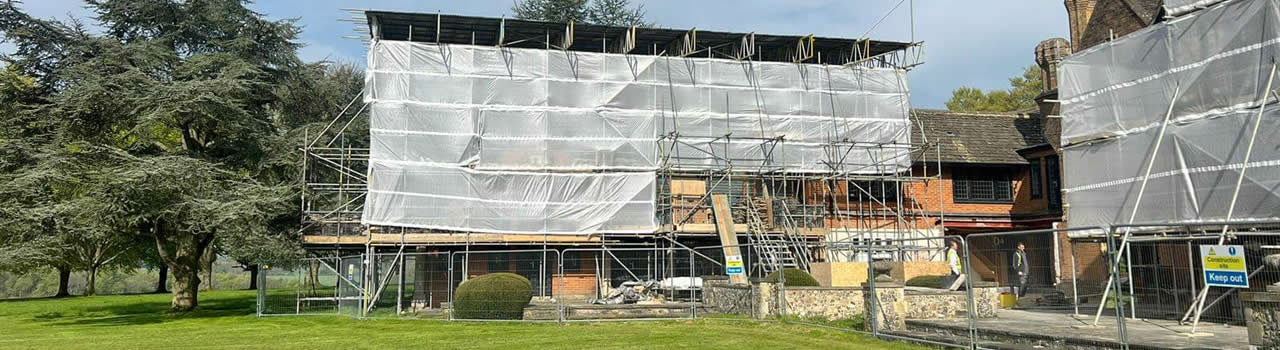
Scaffold Planning for Clapham Streets and Properties
Clapham scaffolding often depends on how the property sits within the street. A front elevation facing a narrow pavement, a rear extension with limited garden access, a converted house split into flats, or a commercial unit with customers nearby all create different requirements. The scaffold needs to respect those details rather than simply following a standard layout.
For homeowners, the main concern is usually safe access with minimal disturbance. For landlords and managing agents, it may be resident communication, shared entrances, inspection access and programme control. For contractors, the priority is often making sure the scaffold supports trade sequencing, material movement and safe working at each stage of the job.
Important site factors can include:
- Street and pavement position — Public-facing scaffolds may need clear pedestrian routes, barriers, lighting, protection and careful timing during installation.
- Basement and lightwell areas — Lower-level voids, railings and fragile surfaces need to be identified before standards are positioned or loads are distributed.
- Neighbouring boundaries — Terraced properties and close side returns often require careful planning to avoid unnecessary obstruction or damage.
- Shared entrances — Flats, HMOs and managed blocks need routes that remain safe for residents while trades are working above or around them.
- Rear access restrictions — Garden walls, extensions, conservatories and narrow side passages can affect how scaffold materials are carried and assembled.
When work takes place above sensitive areas such as glass roofs, side extensions or lower structures, protective scaffolding over conservatories and fragile roof areas can help create safe access without placing avoidable pressure on vulnerable parts of the property.
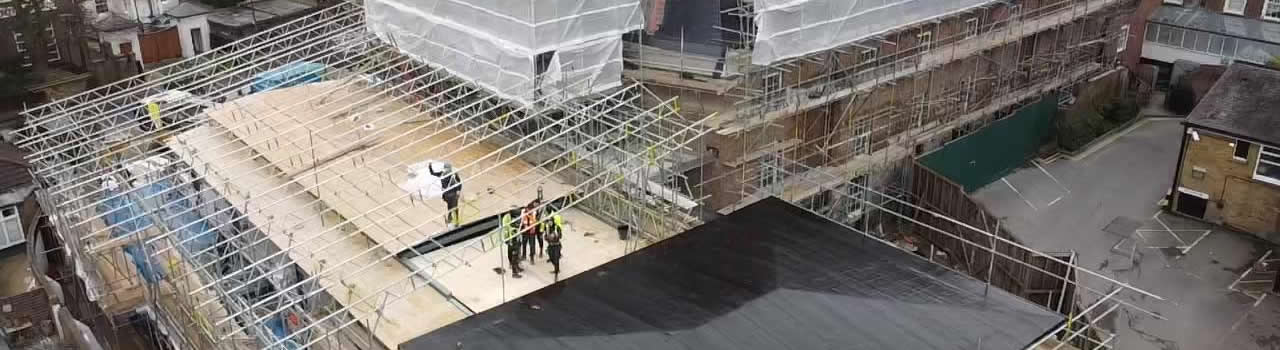
Scaffold Options for Different Clapham Jobs
The best scaffold option depends on what the trades need to reach, how long the work will take and what must remain protected while the job is underway. Some Clapham projects need straightforward front access. Others need a more tailored structure because of bays, roof terraces, boundary walls, shopfronts, outbuildings or restricted ground space.
Stellar Scaffolding can advise on the safest layout after reviewing the property. The structure may be simple, but it still needs the correct platform widths, boards, ties, lifts, braces, access points and protection measures for the intended use.
Common scaffold arrangements include:
- Independent access scaffold — Often used for general exterior works, brickwork, painting, rendering, windows, roofline repairs and façade maintenance.
- Scaffold towers — Suitable for smaller jobs where a full scaffold is not required and the ground conditions allow safe tower use.
- Birdcage scaffolding — Useful for internal work where a broad, stable platform is needed across a ceiling, hall, void or large room.
- Cantilever sections — Helpful where standards cannot be positioned directly below the working area due to restrictions at ground level.
- Temporary roof covers — Used when roof work leaves the structure exposed and weather protection is needed during the project.
- Shrink wrap or sheeting — Some external repairs and refurbishment projects benefit from scaffold shrink wrap for weather and dust control, particularly where containment matters.
A suitable scaffold should support the work without creating unnecessary obstacles for the people living, working or moving around the property.
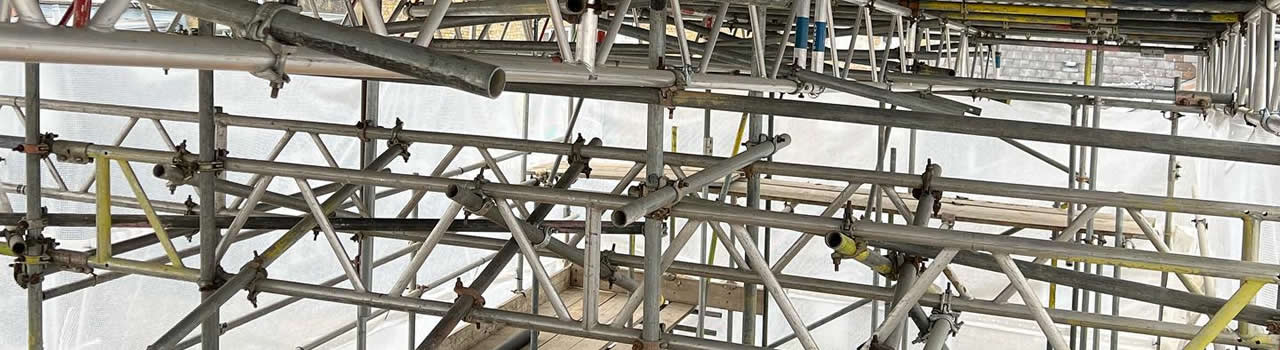
Residential Scaffolding for Clapham Homes
Residential scaffolding in Clapham needs to be safe, tidy and considerate. Many homes are occupied while work is carried out, so access to doors, paths, bins, gardens and neighbouring properties must be thought through before installation. A scaffold that works well for the trade but blocks normal use of the home can quickly create frustration.
Home projects often involve more than one trade. A loft conversion might involve roofers, carpenters, window installers and renderers. A full exterior repair could involve brickwork, guttering, painting and inspection work. Planning the scaffold around these stages can avoid repeated changes and keep the job moving.
Homeowners commonly request scaffolding for:
- Chimney and roofline repairs — Stable platforms are needed for stacks, flashings, parapets, valleys, ridges and upper gutter runs.
- Loft conversions — Scaffold access helps support dormer construction, roof alterations, window installation and external finishing work.
- Exterior painting — Even straightforward decorating work becomes safer and neater when trades can work from the correct level.
- Rendering and brick repairs — Repointing, render patching and façade repair need consistent access across the elevation.
- Window replacement — Upper-floor glazing work often requires safe platforms for removal, installation, sealing and finishing.
- Solar panel fitting — Roof-mounted systems require reliable access for lifting, positioning and securing panels safely.
For extensions, loft alterations and larger home upgrades, home extension scaffolding for residential building projects can be adapted around builders, roofers and finishing trades.
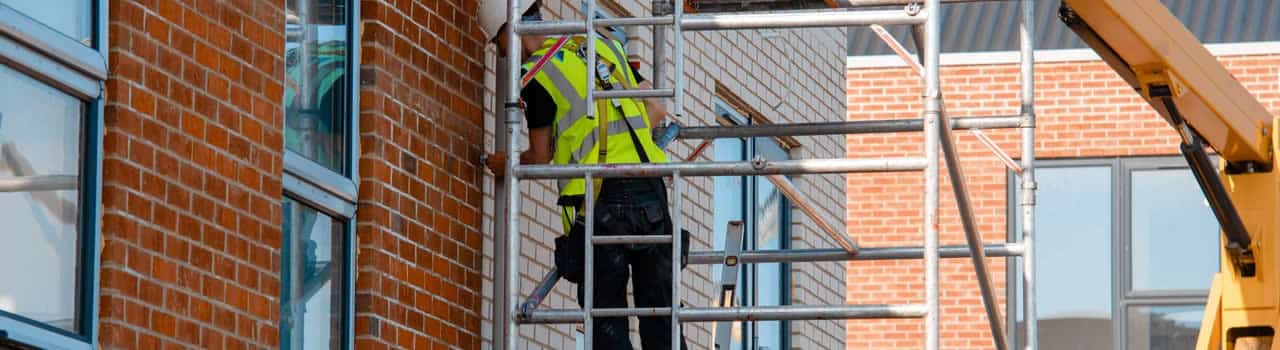
Scaffolding for Contractors, Shops and Managed Buildings
Commercial and contractor-led work in Clapham often requires scaffold access that supports a programme rather than a single isolated task. Shop refurbishments, managed block repairs, office maintenance, mixed-use property works and building upgrades all need access that protects the people using the building while giving trades enough space to work efficiently.
On these jobs, scaffold design may need to account for deliveries, signage, customer entrances, resident notices, timed installation, service access, waste routes and out-of-hours working. The structure also needs to remain suitable as the project moves from survey and strip-out through repair, installation and finishing.
Scaffolding can support:
- Retail and hospitality units — External work can be planned to reduce disruption for staff, customers and neighbouring businesses.
- Managed residential blocks — Scaffold layouts can keep communal entrances accessible while façade, roofline or window works take place.
- Building contractors — Reliable access helps builders complete brickwork, structural openings, roof works and external finishes safely.
- Property maintenance companies — Planned scaffold hire can support cyclical repairs, decoration, inspection and remedial work across multiple elevations.
- Developers and refurb teams — Larger jobs may need staged scaffold changes as different parts of the building become ready.
- Specialist trade access — Air conditioning, signage, glazing, telecoms and plant installation teams may need dedicated platforms at specific heights.
For occupied buildings and commercial premises, scaffold access for facilities management and planned maintenance can help keep work organised, safer and easier to coordinate.
How Scaffolding Is Installed Safely
Safe scaffold installation begins with a clear understanding of the building and the work being carried out. The scaffold team needs to look at ground stability, elevation height, tie locations, working lifts, loading needs, public access, nearby hazards and the safest route for bringing materials onto site.
After the site has been assessed, the scaffold can be planned so platforms sit where trades actually need them. Access points, ladder positions, board widths, guardrails, toe boards and bracing all need to work together. On restricted Clapham sites, the plan may also need to consider parking, delivery timing, resident access and protection for pavements or neighbouring property.
During erection, trained scaffolders build the structure in sequence so each part is stable before the next section is added. Once complete, the scaffold is checked before being handed over for use. Trades should not alter the scaffold themselves, because even small changes can affect stability, safe access and load paths.
If the project moves into a new stage, the scaffold should be professionally adapted so it continues to match the work being carried out.
Scaffolding Safety Inspections and Regulations
A scaffold must be safe throughout its time on site. Regular inspections are needed because weather, site activity, material loading, trade use and unauthorised changes can all affect the structure after installation.
Inspections should take place before the scaffold is first used, at regular intervals during the hire period, after severe weather and after any modification. This is particularly important where the structure is close to public routes, shared entrances, neighbouring homes or active commercial premises.
A good inspection process checks boards, ties, guardrails, toe boards, bracing, access points, foundations and any protective features. It also helps ensure that materials are not being stored unsafely or that access routes have not become blocked during the project.
For homeowners, contractors and managing agents, proper scaffold inspection gives reassurance that the access remains suitable as the job progresses.
How Scaffolding Is Installed Safely
When choosing a scaffolding company in Clapham, it is worth looking beyond the quickest available installation date. The scaffold affects safety, access, resident convenience, contractor productivity and the overall rhythm of the project, so the company needs to understand both the technical and practical side of the job.
A dependable scaffolding team should ask the right questions before quoting. What work is being done? Which elevations need access? Will the scaffold sit near the public? Are there fragile areas below? How long will the work take? Will several trades use the structure? These details shape the scaffold layout and help prevent avoidable issues later.
Things to consider include:
- Experience with similar buildings — Clapham properties can include terraces, flats, shopfronts, period homes and managed blocks, each with different access needs.
- Clear communication — You should know what needs to be kept clear, when installation will happen and how the scaffold will be inspected.
- Appropriate protection — Sensitive surfaces, public routes and neighbouring areas should be considered before scaffold components arrive.
- Flexible hire arrangements — Building projects can change, so the scaffold hire period should be realistic rather than overly tight.
- Safety-led installation — Proper platforms, guardrails, bracing, ties and access points should be treated as essential, not optional extras.
- Adaptation support — If trades need changes during the job, those alterations should be handled by competent scaffolders.
Benefits of Hiring Professional Scaffolders in Clapham
Professional scaffolders give a project safer access, better organisation and fewer awkward workarounds. Instead of relying on ladders or temporary arrangements, trades can work from secure platforms designed around the task. That helps improve safety, workmanship and project flow.
A carefully planned scaffold can also help protect the property itself. On Clapham homes and commercial buildings, there may be bay windows, railings, shopfronts, gardens, conservatories, rendered walls or neighbouring boundaries close to the work area. Scaffold planning can reduce the risk of accidental damage and keep access routes clearer.
The main benefits include:
- Safer working conditions — Trades can move, handle tools and carry materials from stable platforms instead of working from unsuitable access.
- Better quality finishes — Roof repairs, painting, render work, window fitting and brickwork are easier to complete neatly from the correct height.
- Reduced site disruption — Planned access helps residents, neighbours and businesses understand how the work will be carried out.
- Support for multiple trades — A properly arranged scaffold can serve roofers, builders, decorators, surveyors and maintenance teams during different phases.
- Greater protection below — Barriers, boards, toe protection and netting can help manage falling-object risks around active areas.
- More practical access to difficult areas — Awkward rooflines, rear elevations and high-level details can be reached more safely with the right structure.
Frequently Asked Questions About Scaffolding Clapham
Can scaffolding be used on terraced houses in Clapham?
Yes. Terraced homes are one of the most common property types needing scaffold access, especially for roof repairs, chimney work, painting, guttering and loft conversions. The scaffold must be planned around entrances, neighbouring boundaries, front gardens, pavements and any lower structures that could affect support or access.
Will scaffolding block access to my home or business?
A scaffold may affect some routes, but a well-planned installation should keep essential access as practical and safe as possible. The exact arrangement depends on the property frontage, doorway position, working area and whether the building is occupied during the project.
How long should I hire scaffolding for in Clapham?
The hire period should match the realistic project programme rather than the best-case estimate. Weather, trade sequencing, deliveries and building surprises can all affect timescales, so it is better to arrange scaffold hire with enough flexibility for the work to be completed safely.
Get a Free Quote for Scaffolding in Clapham
If you need scaffolding in Clapham for roof repairs, property maintenance, commercial work, refurbishment, loft conversion or external building works, Stellar Scaffolding can help plan safe access around your site.
A suitable scaffold gives trades the platforms they need, helps protect the property and keeps the project easier to manage from installation through to dismantling.
Contact Stellar Scaffolding to arrange a site survey and request a clear quote for scaffolding in Clapham.
What Areas Do We Cover in and Around Clapham?
While we provide scaffolding in Clapham, we also cover nearby parts of South West London, including:
Battersea
Wandsworth
Balham
Stockwell
Brixton
Vauxhall
Nine Elms
Tooting
Chelsea
We’re responsive, practical and ready to support homeowners, managing agents, builders and contractors across the local area.