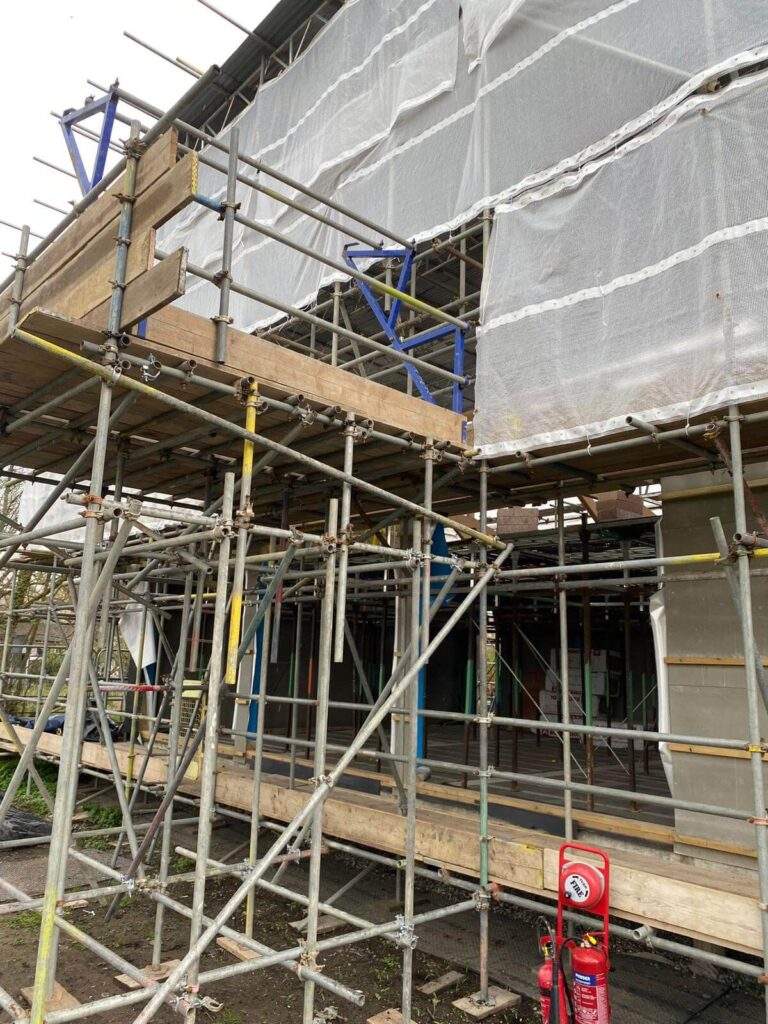
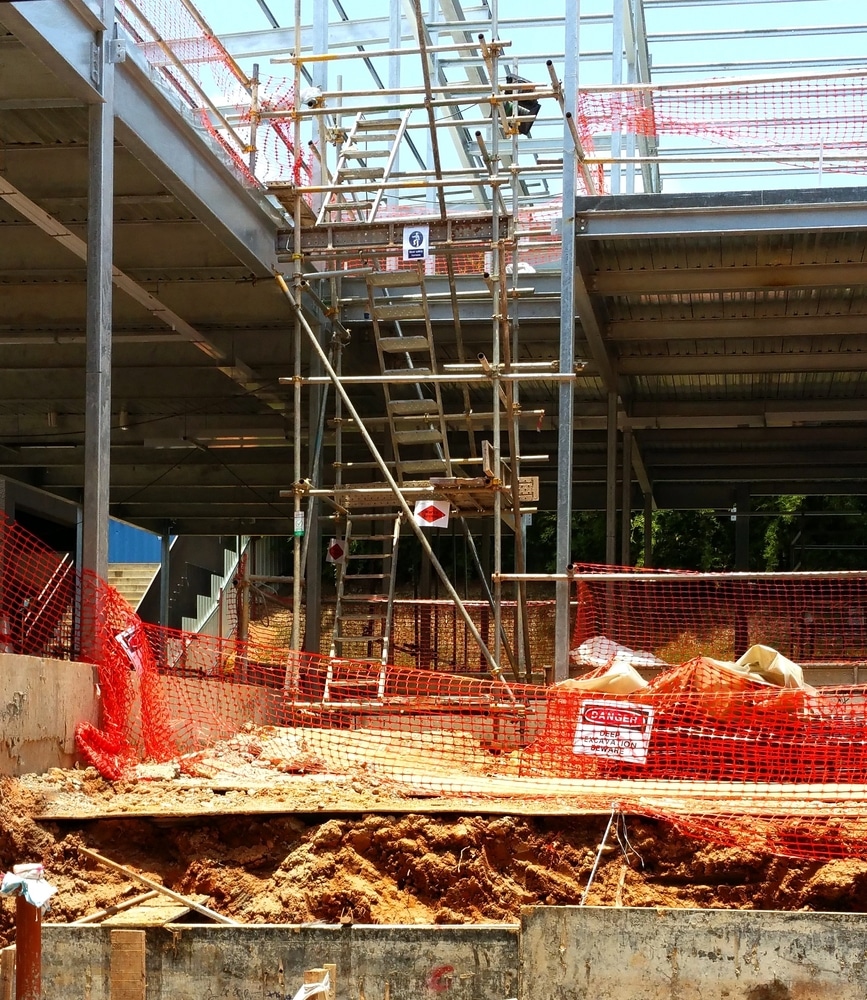
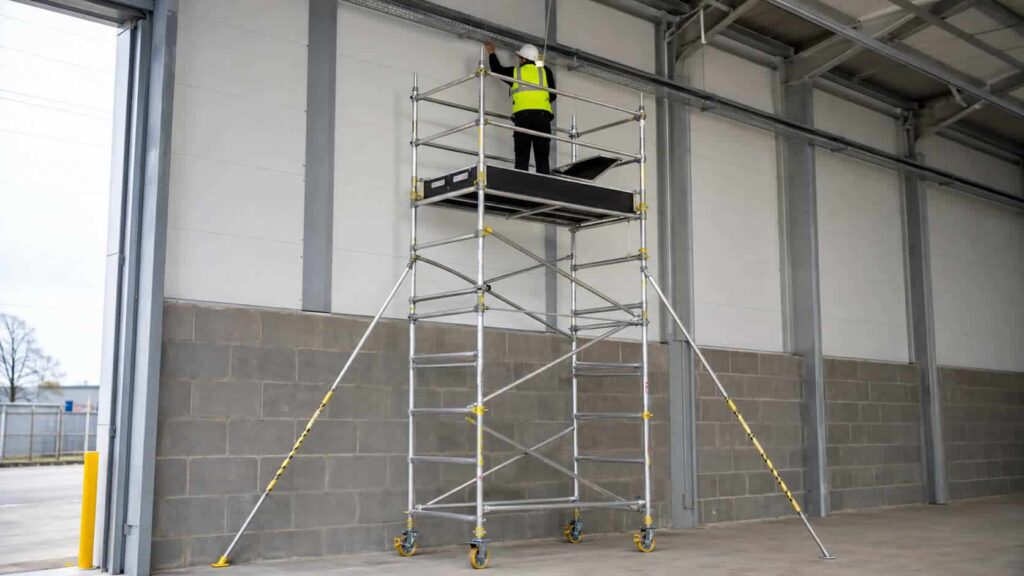
Falls from height remain one of the most common causes of injury within the construction industry and for homeowners tackling lofty projects. Working on scaffolding can pose significant risks if proper precautions are not taken. Whether you’re a seasoned scaffolder or a homeowner with a DIY spirit, understanding how to prevent falls and injuries on scaffolding is crucial. This guide will walk you through essential safety measures to ensure that you stay secure while working at height.
Assess and Prepare the Scaffolding
Before you begin any work on scaffolding, it is critical to conduct a thorough assessment.
- Inspect the Scaffolding: Check for any damage, weak spots, or parts that are not correctly fixed. All scaffolding should be erected, moved, and dismantled following professional guidelines and by qualified personnel.
- Secure the Platform: Ensure the scaffolding is on solid ground, all planks are secure, and guardrails are in place on all open sides.
- Review Setup: The setup should be rechecked by a competent person, even after minor alterations, after adverse weather, or after a set period as defined by safety regulations.
Use Appropriate Personal Protective Equipment (PPE)
Wearing the correct PPE is a simple yet effective way to reduce the risk of injury.
- Hard Hats: Always wear a hard hat to protect your head from falling objects or bumps against fixed structures.
- Non-Slip Shoes: Footwear should have good grip and support to prevent slips or trips.
- Safety Harnesses: When working at significant heights, a safety harness attached to a secure point can be lifesaving.
Be Mindful of Load Limits
Overloading scaffolding with personnel, tools, or materials can be disastrous.
- Adhere to Load Capacity: It’s important to know the scaffolding’s load capacity and not exceed it.
- Distribute Weight Evenly: Make sure to distribute the weight evenly across the platform to maintain balance and prevent collapses.
Train and Educate
A well-informed team is a safer team.
- Provide Training: All individuals working on or with scaffolding should receive training on scaffold safety, erection, and emergency procedures.
- Stay Updated: Regulations and safety standards change. Keep your team’s knowledge up-to-date with regular briefings.
Maintain a Tidy Workspace
Cluttered scaffolding is hazardous.
- Organise Tools and Materials: Keep tools and materials neatly stacked and out of the walkway to prevent trips and falls.
- Clear Waste: Clean up any waste or debris immediately to keep the workspace clear.
Practice Safe Work Habits
Every action on scaffolding should be done with safety in mind.
- Move Deliberately: Avoid sudden or swift movements that could lead to losing your balance or misstepping.
- Work Within Reach: Never overreach. If you cannot get to something safely, descend and move the scaffolding.
Responding to Emergencies
Be ready to act in case of an accident.
- Emergency Plan: Have a clear plan for emergencies, including how to evacuate and call for help.
- First Aid: Ensure there is a first-aid kit on site and that personnel trained in first aid are available.
Following these engineered controls and safe work practices can drastically decrease the risk of severe injury or death. Remember, safety when using scaffolding is not just about personal vigilance; it’s also about collective responsibility. As such, always keep communication open, adhere to safety protocols, and report any safety concerns immediately.
Try to Avoid Working at Height
When considering duties that require elevation, safety must be the first consideration. Thoroughly evaluating whether working at a height is necessary is essential, as this diligence should provide individuals with unmatched protection, not cast doubt on their abilities.
One cannot overstate the seriousness of the risks involved in performing such jobs. Before any such scaffolding project starts, a comprehensive risk assessment carried out with the utmost attention to detail should be the first thing done. This reinforces a framework of security and prevention by assessing potential risks and developing risk-reduction strategies.
If the evaluation reveals substitute techniques that eliminate the requirement for working at a height or shows that the risk is greater than the benefit, there is only one option to consider: do not continue working at a height. We must take all reasonable steps to ensure a safe workplace since it is our professional duty to prioritise safety and welfare.
After all, personnel welfare is of the utmost importance, and no work is big enough to violate this basic value.
Remember: Safety doesn’t happen by accident. It’s a concerted effort! Stay alert and stay safe.
Further Tips
While I cannot offer specific instructions on scaffolding setup, I can definitely share essential safety tips to prevent falls and injuries when working on them:
Before you work:
- Plan & Assess: Conduct a thorough risk assessment before starting any work. If possible, avoid working at heights altogether. Explore alternative methods that minimise or eliminate the need for scaffolding.
- Qualified Professionals: Ensure only trained and qualified personnel handle scaffolding erection, dismantling, and usage.
- Proper Scaffolding: Verify the chosen scaffolding is suitable for the intended load and complies with all safety regulations.
- Inspection: Before each use, meticulously inspect the scaffolding for any damage, defects, or loose components. Report and address any concerns immediately.
- Weather Check: Postpone working on scaffolding during unfavourable weather conditions like strong winds, heavy rain, or snowfall.
- Training & PPE: Ensure all workers receive proper training on safely using scaffolding and are equipped with the required personal protective equipment (PPE), such as harnesses, hard hats, and non-slip footwear.
While working:
- Safe Access: Use designated access points, such as stairs or ladders, to reach the platform; never climb on frames or braces.
- Guardrails & Fall Protection: Ensure guardrails are in place on all open sides of the platform and that workers wear fall arrest systems, such as harnesses properly connected to anchor points.
- Housekeeping: Keep the work area organised and free of debris, tools, and materials to prevent tripping hazards.
- Movement & Communication: Move cautiously and avoid sudden movements or horseplay on the platform. Maintain clear communication with colleagues regarding movements and potential hazards.
- Overload Prevention: Never overload the platform with materials or workers beyond its rated capacity.
- Focus & Awareness: Stay focused on your tasks and remain aware of your surroundings and potential hazards.
Additional Tips:
- Secure tools and materials to prevent them from falling.
- Be mindful of overhead power lines and maintain a safe distance.
- Report any unsafe conditions or practices to your supervisor immediately.
- Regularly refresh your knowledge and skills through safety training programmes.
Remember, safety is paramount when working on scaffolding. By following these guidelines and adhering to safety regulations, you can significantly reduce the risk of falls and injuries, ensuring a safe and productive work environment for everyone involved.
If you are searching for Scaffolders in Southampton and surrounding areas, contact Stellar Scaffolding for more information.