
Scaffolding Slough
Scaffolding Slough – Safe Access for Homes, Warehouses, Shops and Construction Sites
Scaffolding in Slough often needs to work around a wider mix of buildings than many surrounding towns. Residential streets, industrial estates, retail units, schools, offices, logistics sites, apartment blocks and development projects all create different access demands. Stellar Scaffolding provides safe, practical scaffold systems for homeowners, landlords, builders, facilities teams, commercial clients and contractors across Slough.
A scaffold for a house repair in Cippenham will not be planned in the same way as access for an industrial unit on a trading estate, a shopfront near the town centre, a school maintenance project or a multi-trade refurbishment. The structure needs to suit the height, access route, ground conditions, working area, public interface and the trades using it.
Well-planned scaffolding gives workers the correct platform for the job while helping protect the property, nearby people and the wider site. It also reduces the need for unsafe ladder work, improvised access or repeated delays caused by poor platform positioning.
Scaffold planning can help with:
- Safe high-level access — Roofers, builders, decorators, cladding teams and maintenance contractors can work from stable boarded platforms.
- Commercial site control — Scaffolds around shops, offices, warehouses and industrial buildings can be arranged to protect staff, visitors and operational areas.
- Residential property protection — Driveways, gardens, garages, windows, porches and neighbouring boundaries can be considered before the scaffold is erected.
- Material movement — Larger works may need loading zones, hoist access or stronger platforms so tools and materials can be handled more safely.
- Public-facing safeguards — Where work sits near pavements, car parks, entrances or shared routes, barriers and controlled access become especially important.
For commercial premises, factories, warehouses and larger facilities, Stellar Scaffolding can provide industrial scaffolding for demanding site access, helping contractors reach higher, wider or more complex work areas safely.
Professional Scaffolding Services in Slough
Our scaffolding services in Slough are planned around the practical requirements of the job. A small residential scaffold may only need one elevation for guttering, painting or roof repairs, while a commercial project may need access across several elevations, protection around public areas, loading support or phased adaptions as the work develops.
Before installation, the site needs to be reviewed properly. Access routes, ground conditions, parking, lower roofs, service yards, shop entrances, public footpaths and delivery routes can all affect how the scaffold should be built. Getting this right early helps prevent disruption once trades arrive.
Scaffolding may be required for:
- Roofing and chimney work — Safe access for tiles, slates, leadwork, ridges, valleys, stacks, guttering, fascias and soffits.
- External repairs and decoration — Platforms for painting, rendering, cladding, repointing, window replacement and façade inspection.
- Commercial and industrial maintenance — Scaffold access for warehouses, offices, retail units, factories, logistics buildings and business premises.
- Home extensions and loft conversions — Scaffold structures for builders working on roof alterations, brickwork, dormers and external finishes.
- Public and shared access protection — Barriers, boards and exclusion routes help reduce risk around entrances, paths, car parks and working areas.
- Emergency works — When urgent access is needed after damage or failure, emergency scaffolding services for urgent site access can help make areas safer while repairs are arranged.
A reliable scaffold should support the work programme, keep trades safer and reduce avoidable access problems around the site.
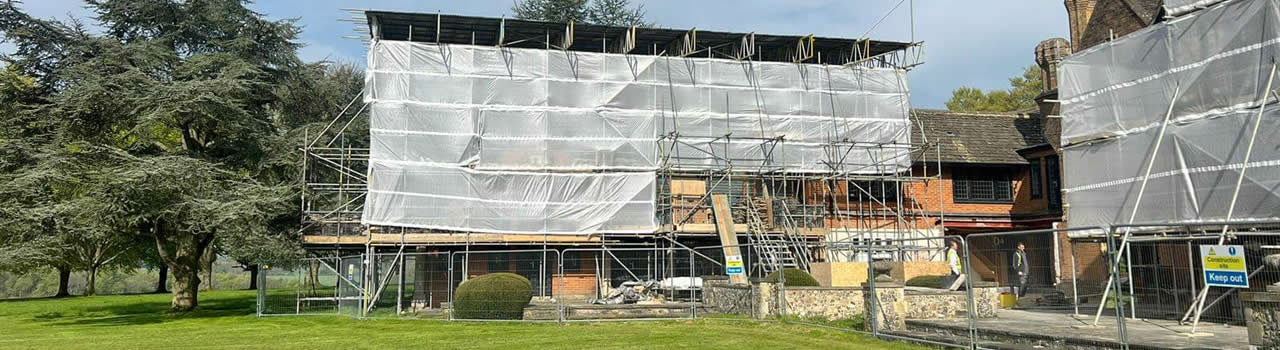
Scaffold Planning for Slough’s Residential and Commercial Sites
Slough scaffolding can involve anything from a quiet residential cul-de-sac to a busy industrial estate, which makes planning especially important. The scaffold may need to work around driveways, delivery bays, loading doors, business entrances, schools, neighbouring homes, parked vehicles or public routes.
On domestic jobs, the focus is often keeping the home safe and usable while repair work takes place. On commercial and industrial jobs, the emphasis may shift towards operational continuity, safe segregation, heavier materials and coordination with different contractors.
Site factors that can affect scaffold design include:
- Vehicle and delivery movement — Business yards, warehouses and retail premises may need routes kept clear for deliveries, staff and customers.
- Occupied buildings — Homes, offices and managed sites need scaffold access planned so people can continue using essential entrances safely.
- Public-facing elevations — Scaffolds near pavements, car parks or customer areas may need additional protection, signage and controlled routes.
- Roof and façade complexity — High eaves, flat roofs, parapets, cladding, plant areas and gutter runs all affect platform positioning.
- Working around lower structures — Garages, extensions, canopies, shopfronts and service equipment may require bridging or altered scaffold positions.
Where site access needs to be maintained for workers or pedestrians, propping and access ramps for controlled movement can help support safer routes through or around more complicated work areas.
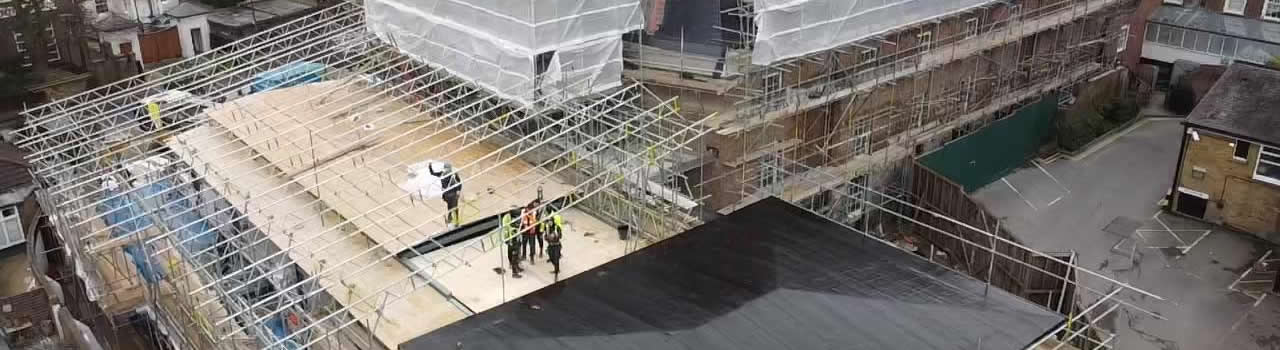
Scaffold Systems for Different Slough Projects
The scaffold system should match the building and the work being carried out. A roof repair on a semi-detached home may need a straightforward access scaffold, while an industrial maintenance project may need stronger loading capacity, careful segregation and a design that works around plant, doors, service routes or working operations.
Choosing the right structure helps trades work safely and reduces unnecessary delays. Platform height, access position, bracing, ties, boards, loading and protection all need to be considered before installation.
Scaffold options may include:
- Independent scaffolding — A common choice for roofline repairs, exterior decorating, repointing, rendering, cladding and general property maintenance.
- Patented scaffolding — Suitable for certain projects where modular systems can provide efficient, repeatable access across a planned work area.
- Mobile scaffold towers — Useful for limited maintenance, inspections and installation work where the surface is suitable and full scaffold access is not needed.
- Birdcage scaffolding — Helpful for internal ceiling work, atriums, warehouse areas, halls and broad working platforms.
- Temporary roof systems — Used where roof coverings are removed and the building needs protection from weather while work is underway.
- Kwikstage scaffolding — On some larger or repetitive layouts, Kwikstage scaffolding for efficient access structures can help create fast, practical working platforms.
The most suitable scaffold is the one that reflects the site conditions, the trade activity and the risks around the work area.
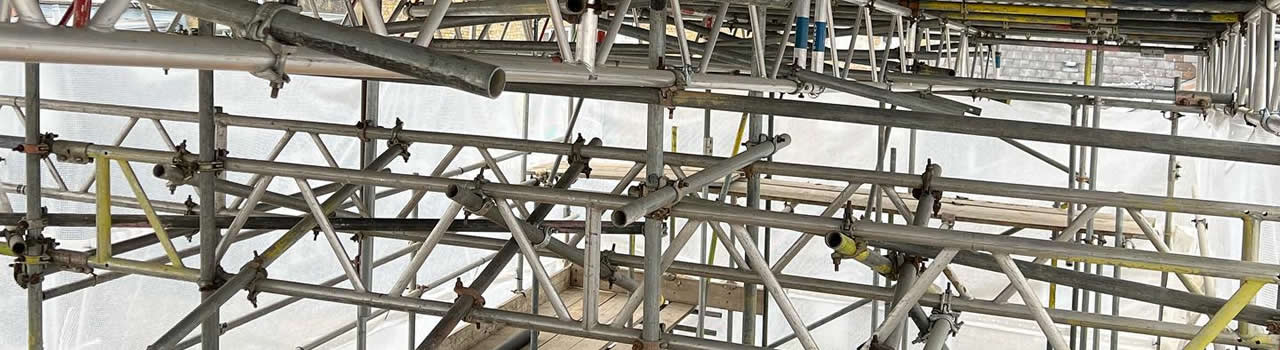
Residential Scaffolding for Slough Homes
Homeowners in Slough often need scaffolding for jobs that involve roof access, upper-level repairs or external improvement work. Even smaller tasks can become unsafe when they involve long working periods at height, awkward materials or repeated movement along an elevation.
A residential scaffold should be planned around the household as well as the trade. Driveways, front doors, garages, side paths, gardens, extensions and neighbouring homes all need to be considered so the scaffold does not create unnecessary disruption while work is taking place.
Common domestic scaffold uses include:
- Roof repairs — Safe access for tiles, ridges, valleys, gutters, fascias, soffits and roof inspections.
- Chimney work — Platforms for repointing, lead flashing, flaunching, pot replacement and stack repairs.
- Exterior painting and rendering — Stable lifts allow decorators and renderers to work across the elevation more safely and consistently.
- Loft conversions — Scaffold access for dormers, roof alterations, window installation and external finishing work.
- Home extensions — Support for builders working on side, rear or two-storey extensions where upper-level access is needed.
- Bird control and building protection — Where properties need access to rooflines or ledges, bird proofing scaffolding for safer high-level installation can support practical prevention work.
Good residential scaffolding helps make home improvement and maintenance projects safer, neater and easier to complete without unnecessary disruption.
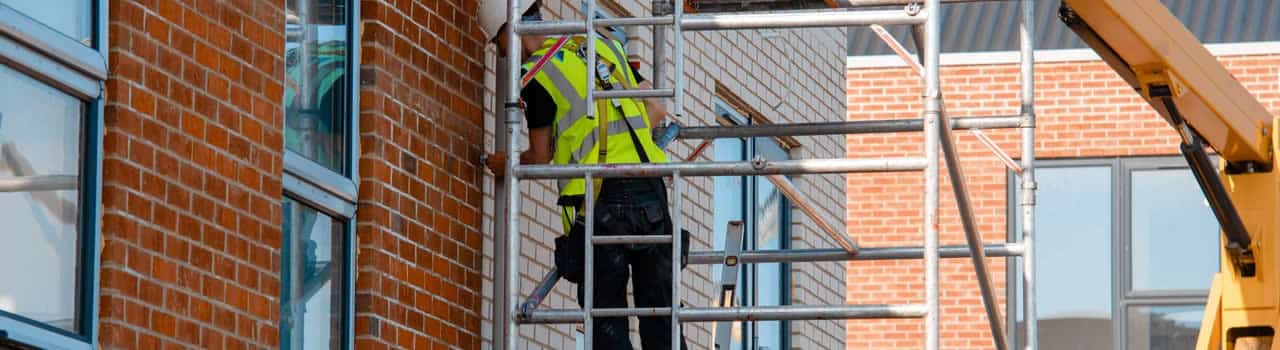
Scaffolding for Industrial Estates, Shops and Managed Buildings
Slough has a strong commercial and industrial presence, so scaffolding often needs to support work around operating buildings. Offices, warehouses, factories, logistics sites, retail units, schools and managed blocks may all need access that keeps workers safe while allowing the building to continue functioning where possible.
These projects may involve more detailed coordination than a domestic scaffold. Deliveries, service yards, customer routes, staff entrances, car parks and loading bays may all need to be kept in mind. The scaffold may also need to support several contractors working at different stages of the project.
Scaffolding can support:
- Warehouse and industrial maintenance — Access for cladding, gutters, roofs, doors, vents, plant areas and external building fabric repairs.
- Retail and office refurbishments — Scaffold structures for signage, windows, fascias, façade repairs, cleaning and decoration.
- Managed residential blocks — Access for roofline work, render repairs, balconies, windows, inspections and planned maintenance.
- School and public building work — Safe access for roofing, windows, guttering, repairs and cyclical maintenance during controlled work periods.
- Contractor-led developments — Scaffold systems for brickwork, structural openings, upper floors, external finishes and snagging.
- Demolition and enabling works — Where buildings are being stripped, altered or prepared, scaffolding for enabling works and early-stage access can help make the site safer before the main work begins.
Commercial scaffold planning should balance access, safety, business continuity and the practical needs of the trades using the structure.
How Scaffolding Is Installed Safely
Safe scaffold installation starts with a clear assessment of the building and the work being carried out. The scaffold team needs to understand the height, ground surface, access route, nearby hazards, expected loads, public interfaces and whether the building will remain occupied or operational.
Once the requirements are clear, the scaffold can be planned around lift heights, working platforms, ladders, guardrails, toe boards, ties, bracing, loading areas and protective features. On industrial or commercial sites, this may also involve planning around vehicle movement, delivery bays, service routes and staff access.
During installation, trained scaffolders build the structure in a controlled sequence using suitable components for the site. Each section must be stable, correctly braced and fitted with the required safety measures before the scaffold is handed over for use.
If the project changes or trades need different access, the scaffold should be altered by competent scaffolders. Boards, ties, rails and braces should not be removed or moved informally by site workers.
Scaffolding Safety Inspections and Regulations
Scaffolding must be inspected and maintained while it remains in use. Site activity, weather, stored materials, accidental impact and unauthorised alterations can all affect the safety of a scaffold after installation.
Inspections should take place before first use, at regular intervals during the hire period, after adverse weather, after alterations and after any event that may affect the structure. This applies to residential scaffolds, commercial scaffolds and industrial access structures.
A proper scaffold inspection should check boards, guardrails, toe boards, ties, bracing, base support, ladders, loading and signs of movement or damage. On busier sites, it should also consider whether materials are being stored sensibly and whether routes remain clear.
Consistent inspection helps protect workers, site users and the public while keeping the project moving safely.
How Scaffolding Is Installed Safely
Choosing a scaffolding company in Slough should involve more than checking who can arrive first. The scaffold affects safety, productivity, access, property protection and the way the project runs, so the contractor needs to understand the site before recommending a structure.
A dependable scaffolding company should ask about the building, the work, the trades involved, access restrictions, public areas, expected loads and how long the scaffold is required. These details help create a safer scaffold that is easier for trades to use.
When arranging scaffold hire, consider:
- Experience with mixed sites — Slough projects may include homes, warehouses, shops, offices, schools and industrial units, each with different access needs.
- Survey quality — Ground conditions, vehicle movement, working height, loading and public interfaces should be checked before installation.
- Clear communication — Installation, inspections, adaptations and removal should be explained so homeowners, tenants, managers and contractors can plan around them.
- Protection measures — Vulnerable surfaces, public routes, lower roofs, shopfronts, loading doors and neighbouring areas should be considered early.
- Flexible scaffold use — Projects involving several trades may need the scaffold adapted as the work progresses.
- Safe access for all users — Platforms, ladders, rails and working areas should suit the people using the scaffold, not just the outline of the building.
Benefits of Hiring Professional Scaffolders in Slough
Professional scaffolders help make building, repair and maintenance work safer and more manageable. A properly installed scaffold gives workers stable platforms, better movement routes and a safer way to handle tools and materials at height.
For Slough projects, professional planning can also reduce disruption. A scaffold around a warehouse, shop, office or occupied home needs to take account of daily movement, site users, deliveries and people passing nearby. Good scaffold design helps keep those practical issues under control.
Key benefits include:
- Safer work at height — Trades can complete roof, façade, cladding, window and repair work from secure platforms.
- Better productivity — Correct platform positions reduce awkward working and help trades complete tasks more efficiently.
- Improved site control — Commercial and industrial sites benefit from clearer separation between active work areas and normal operations.
- Protection for buildings and people — Proper planning helps protect lower structures, access routes, staff, residents, customers and the public.
- Support for heavier projects — Loading, materials and multi-trade access can be considered before the scaffold is built.
- Reduced risk of unsafe improvisation — Trades are less likely to rely on ladders or unsuitable access when proper platforms are available.
Frequently Asked Questions About Scaffolding Slough
Can scaffolding be installed around an operating business in Slough?
Yes. Scaffolding can often be installed around operating shops, offices, warehouses and commercial premises, but the site needs careful planning. Entrances, delivery routes, staff access, customer areas and vehicle movement should be considered before installation so disruption and risk are kept under control.
Is scaffolding suitable for industrial building maintenance?
Yes. Industrial sites often need scaffolding for roof repairs, guttering, cladding, inspection, plant access, high-level cleaning and external fabric work. These projects may need stronger attention on loading, site segregation, access routes and coordination with the building’s normal operations.
Can scaffolding be used for emergency repairs?
Yes. If a roof, chimney, façade or building section becomes unsafe, emergency scaffold access may be needed to stabilise the area or allow repairs to begin. The exact response depends on the site risk, access conditions and the type of damage involved.
Get a Free Quote for Scaffolding in Slough
If you need scaffolding in Slough for roofing, home repairs, commercial maintenance, industrial access, refurbishment, development work or urgent repairs, Stellar Scaffolding can help plan a safe and practical access solution.
A properly designed scaffold gives trades stable platforms, helps protect people and property, and keeps the project easier to manage from installation through to removal.
Contact Stellar Scaffolding to arrange a site survey and request a clear quote for scaffolding in Slough.
What Areas Do We Cover in and Around Slough?
While we provide scaffolding in Slough, we also cover nearby towns and areas across Berkshire, Buckinghamshire and West London, including:
Windsor
Maidenhead
Burnham
Taplow
Datchet
Langley
Iver
Eton
Marlow
We’re responsive, practical and ready to support homeowners, commercial premises, warehouses, industrial sites, schools, managed buildings and contractors across the local area.