Did you know that while a simple residential scaffolding setup might take just 2 hours, larger construction projects can require up to 2 weeks to put scaffolding up?
Although the timeframe varies significantly, most residential properties typically need 1-2 days for complete scaffolding installation. However, this duration can stretch considerably depending on several crucial factors. Site conditions, weather challenges, and the complexity of the structure all play vital roles in determining the setup time.
We’ve seen how factors like high winds, rain, and limited site access can impact installation schedules. That’s why understanding these variables is essential for planning your scaffolding project effectively.
In this guide, we’ll break down exactly how long it takes to put scaffolding up for different types of projects, explore the key factors that affect installation time, and help you understand what to expect for your specific situation.
Typical Timeframes for Scaffolding Installation
When planning a project requiring scaffolding, understanding the expected installation timeframes is essential for proper scheduling. The average time to put scaffolding up ranges from 2 hours to 48 hours, yet this timeframe varies considerably based on the project type.
Residential property timeframes
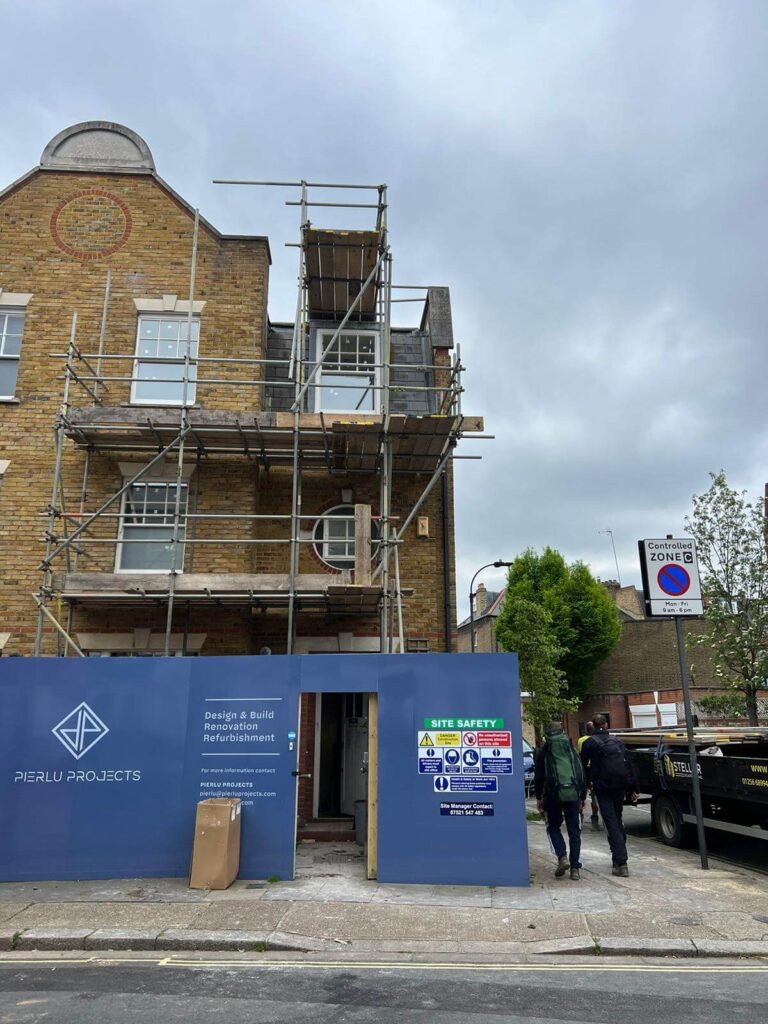
For residential scaffolding projects, installation typically takes between one and two days. Small projects on single-storey or two-storey buildings usually require only 2-4 hours to complete. This makes residential scaffolding relatively quick to install, particularly when:
- The property isn’t listed (which would require permits)
- Access to the site is straightforward
- The work area is limited to specific sections rather than the entire property
Essentially, a standard domestic project can often be completed within a single day, making it possible to schedule your contractors efficiently. Nevertheless, if your home requires scaffolding around its entire perimeter or on multiple levels, the installation might take longer.
Commercial building timeframes
Commercial scaffolding projects naturally require more time due to their larger scale and additional considerations. These projects typically take anywhere from two to five days. Medium-sized projects involving 3-5 storey buildings generally require 1-3 days for proper installation.
Furthermore, commercial structures often necessitate temporary structure licences, particularly when scaffolding extends onto pavements. Consequently, you should allow at least ten business days for the complete process from planning to installation, as licence applications can add approximately five extra days to your timeline.
Industrial project timeframes
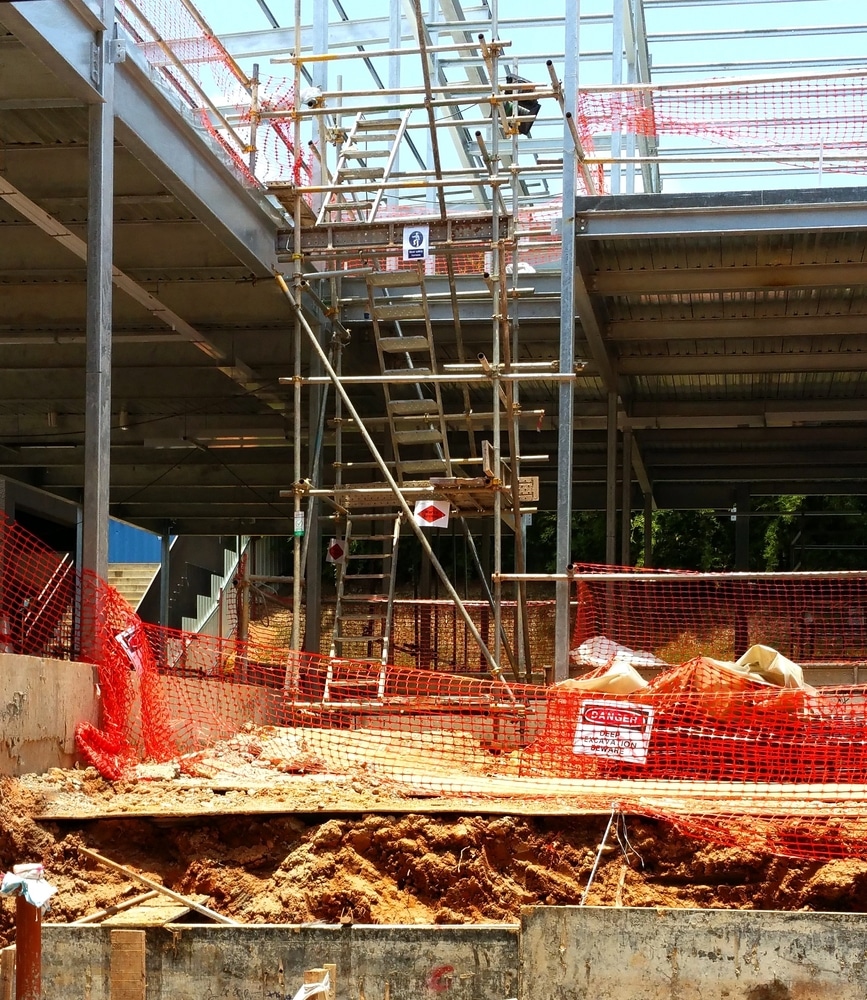
Industrial scaffolding installations represent the most time-intensive category. For factories, large warehouses, or manufacturing facilities, scaffolding erection can take up to two weeks or more. Large or high-rise projects (5+ stories) may require several weeks depending on their height and complexity.
Specifically for industrial settings, the timeline extends primarily due to:
- The scale and complexity of industrial environments
- More stringent safety regulations and inspection requirements
- The need for specialised scaffolding designs and assembly methods
For particularly complex industrial projects, planning and installation might extend to three months or more, especially when activity restrictions or limitations from local authorities apply.
Dismantling scaffolding generally takes less time than erection, with standard frame scaffolding requiring approximately 2-6 hours to dismantle and system scaffolding taking 3-5 days for larger structures.
Key Factors That Affect How Long to Put Scaffolding Up
Several important variables influence the time required for scaffolding installation. Understanding these factors helps in planning realistic timeframes for your project.
Building size and complexity
The size and complexity of a building directly impacts scaffolding installation times. A simple structure may only require a few hours to scaffold, whereas an intricate, large building might need several days or weeks. Irregular shapes, multiple levels, and tight spaces all contribute to complexity, extending the setup process. Additionally, the dimensions of the project determine the exact scaffolding requirements, affecting both material needs and installation duration.
Site accessibility challenges
Site conditions play a crucial role in determining how quickly scaffolding can be erected. Uneven or unstable ground requires additional preparation time to ensure the scaffolding is securely anchored. Likewise, obstacles such as trees, utility lines, and existing structures can slow down the process considerably.
Tight access areas present unique challenges, characterised by:
- Limited space for manoeuvring traditional scaffolding
- Restrictions on scaffolding size and weight
- Increased safety risks during installation
Weather conditions and seasonal impacts
Weather significantly affects scaffolding installation timeframes and safety. High winds, rain, snow or extreme temperatures often make it unsafe for workers to erect scaffolding. Each weather condition presents distinct challenges:
Rain creates slippery surfaces and can add weight to platforms. Strong winds may cause scaffolding to sway or even collapse if not properly secured, with lightweight materials potentially becoming airborne hazards. Moreover, extreme heat can cause metal components to expand, potentially loosening connections.
Scaffolding team experience
The expertise and size of the installation team substantially impact timeframes. Skilled workers are more efficient at interpreting scaffolding plans and addressing potential challenges. An experienced team can work more quickly while maintaining safety standards. Furthermore, larger teams enable parallel work on different sections, accelerating the overall process for bigger projects.
Proper training ensures workers understand best practices and techniques, increasing both safety and efficiency during the scaffolding installation process.
The Scaffolding Installation Process Explained
Understanding the step-by-step process of scaffolding installation helps explain why timeframes vary so much across different projects. Let’s examine each crucial stage of setting up scaffolding properly.
Site assessment and planning
First and foremost, scaffolding projects require thorough site assessment and planning. This initial stage involves identifying potential hazards such as overhead power lines, underground utilities, and uneven terrain. A comprehensive risk assessment must be completed to document all possible dangers and determine appropriate safety measures. The risk assessment should consider workplace hazards, activity-related hazards, and person-related factors that could affect scaffold safety. Initially, this planning phase results in a method statement that outlines specific work procedures tailored to your project’s unique requirements.
Ground preparation
Prior to assembly, confirming that the ground can support all anticipated loads is vital. The foundation must be firm, level, and free from potholes. For uneven surfaces, adjustable base plates or screw jacks provide stability and compensate for irregularities. Never use bricks or building blocks to support any part of the scaffold, as this creates serious safety risks. In essence, proper ground preparation ensures the scaffold remains stable throughout its use.
Base and initial framework assembly
Once the ground is prepared, base plates are positioned to distribute the scaffold’s weight evenly. Subsequently, the standards (vertical poles) are erected at appropriate intervals—typically no more than 2.4 metres apart—and secured to the base. Following this, ledgers (horizontal poles connecting standards) are installed at a maximum distance of 1.8 metres apart. Transoms (perpendicular horizontal supports) are then added to provide additional stability.
Upper level construction
Building upward requires installing diagonal braces in an X-shaped pattern between standards for enhanced stability. Working platforms must be positioned at a maximum distance of 3 metres from each other and equipped with guardrails to prevent falls. Access ladders should be securely tied, with the top extending beyond the platform by at least 1.05 metres.
Safety checks and inspections
Upon completion, a thorough inspection by a competent person is mandatory before use. The inspection verifies:
- All components are securely fastened
- Guardrails and toeboards are correctly installed
- The base is stable and level
- The bracing is properly secured
Formal scaffold inspections must occur following assembly, at intervals not exceeding 7 days, and after any event that might affect stability. These inspection results must be recorded and maintained until the next inspection.
Special Considerations for Different Scaffolding Types
The specific type of scaffolding chosen for your project directly affects installation timeframes. Each system offers unique advantages and setup requirements that impact overall erection times.
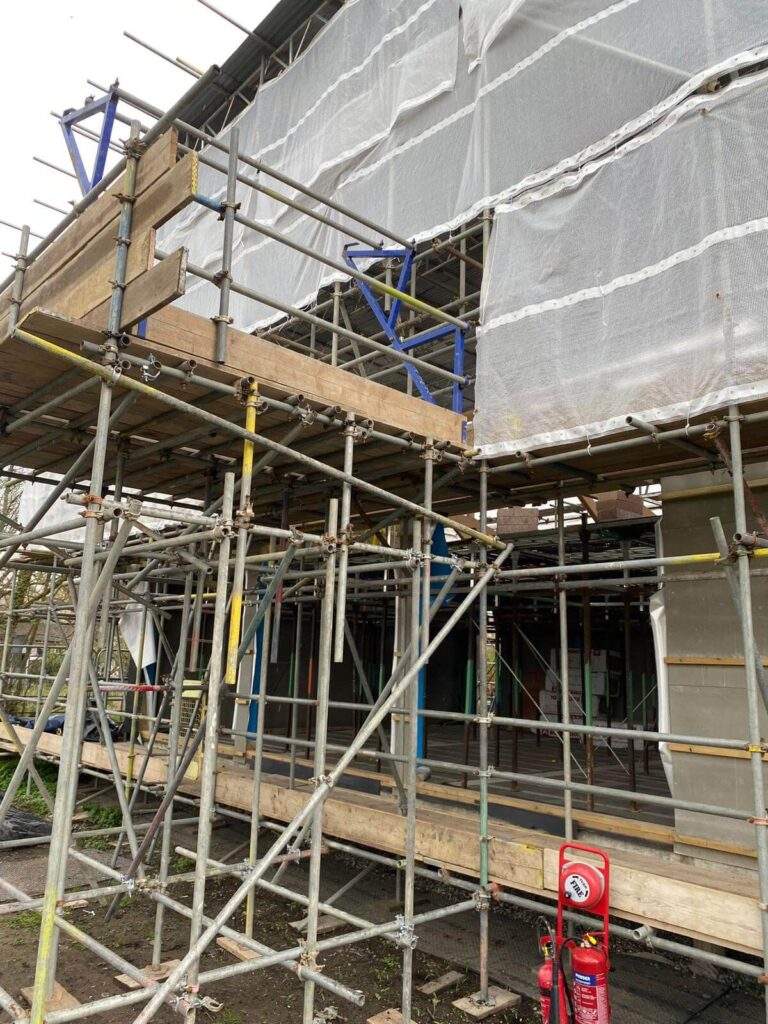
Traditional tube and fitting scaffolding
Traditional tube and fitting scaffolding consists of numerous connections and adjustable fittings, which makes it highly adaptable but also more time-consuming to assemble. For a mid-sized project using this traditional system, dismantling typically takes 1 to 3 days, while installation often takes longer than dismantling. This type of scaffolding requires a proper understanding of strength and stability calculations unless it is assembled according to recognised standard configurations.
The flexibility of traditional scaffolding makes it ideal for complex structures with irregular shapes. However, this adaptability comes with the drawback of slower assembly, as each connection point must be individually secured. Consequently, every scaffold team should include at least one competent scaffolder who has received specific training for this type of scaffolding.
System scaffolding installation times
System scaffolding significantly speeds up assembly times due to its modular, pre-engineered components. The standardized design allows teams of 4-5 workers to dismantle large structures in just 3-5 days, with similar timeframes for installation. It is crucial to erect and tie system scaffolding according to the manufacturer’s instructions.
This type of scaffolding is more cost-effective for long-term projects and requires less specialized equipment. However, despite its efficiency, it is important to ensure proper base support and bracing to prevent tipping or collapse.
Mobile tower scaffolding setup
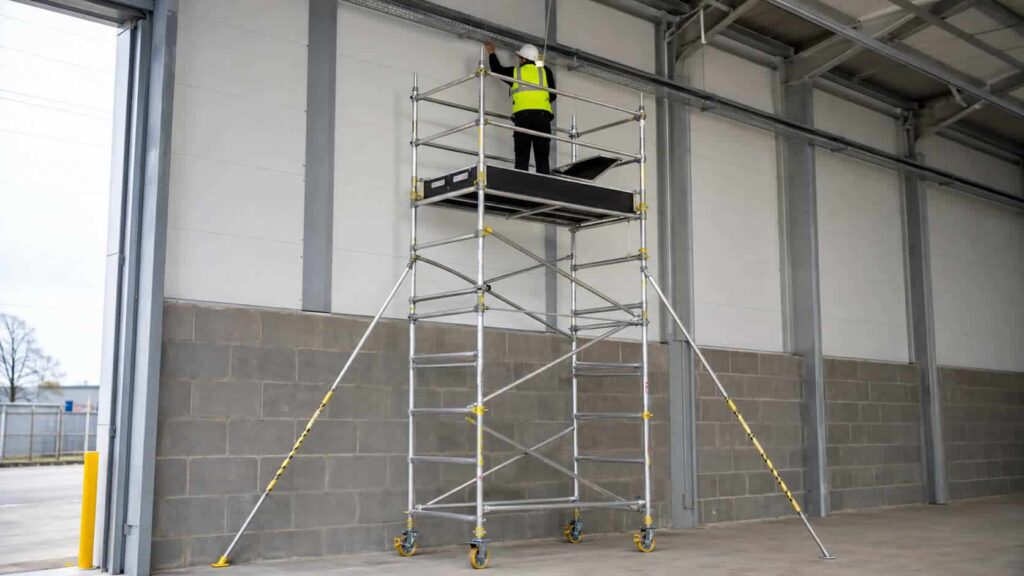
Mobile tower scaffolding is the quickest installation option available, with modern designs like the MI-Tower enabling a single worker to set it up in under 10 minutes. These compact units are specifically designed for one-person use while ensuring stability and safety.
The MI-Tower, for example, can be easily assembled without any tools. It has a maximum weight capacity of 200 kg and can reach a working height of up to 6.2 meters. Unlike traditional scaffolding, which typically requires at least two competent individuals for assembly and disassembly, newer mobile towers have simplified this process.
For quick access solutions, these towers provide unmatched setup speed without sacrificing safety features, including guardrails and locking wheels.
Our Final Say!
Scaffolding installation timeframes can vary significantly depending on the type of project. Simple residential jobs may require quick setups, taking as little as two hours, while complex industrial structures might need extensive installations that last up to two weeks. Factors such as building size, site accessibility, weather conditions, and the team’s expertise all play crucial roles in determining these timeframes.
The success of the installation process relies on careful planning and strict adherence to safety protocols. Whether selecting traditional tube and fitting scaffolding, modern system scaffolding, or mobile towers, each type has unique advantages tailored to specific project needs.
Project managers and property owners can set realistic expectations and plan effectively. Regular safety checks, competent supervision, and strict following of manufacturer guidelines are essential to ensuring that scaffolding remains secure during use, thus protecting both workers and property.
If you are searching for Scaffolders in Southampton and surrounding areas, contact Stellar Scaffolding for more information.