Scaffolding is essential for safe access and support during building work, repairs, and renovations. Traditionally, steel has been the go-to material for scaffolding, offering strength and reliability for large construction projects. But in recent years, aluminium scaffolding has become increasingly popular in the UK, particularly for domestic work, small businesses, and lighter commercial jobs.
If you’ve ever wondered why aluminium is so widely used, the answer lies in its unique blend of properties. It’s lighter, easier to handle, and quicker to assemble than steel, while still offering the strength and safety needed for many everyday projects. From home renovations to painting jobs and temporary access towers, aluminium scaffolding is now a preferred choice across a wide range of settings.
In this guide, we’ll look closely at the main advantages of aluminium scaffolding, compare it directly with steel, and clear up some common myths. We’ll also give you practical advice on choosing the right supplier and using aluminium scaffolds safely.
What is Aluminium Scaffolding?
Aluminium scaffolding is a type of access equipment made primarily from lightweight aluminium alloy tubes. It is designed to provide temporary platforms for workers who need to carry out tasks at height, such as building repairs, painting, or maintenance work.
Definition and Materials
Unlike traditional scaffolding built from heavy steel tubes, aluminium systems use hollow alloy tubes that are significantly lighter without compromising core strength. This makes them easier to transport, manoeuvre, and erect, even on smaller sites or in residential areas where space is limited.
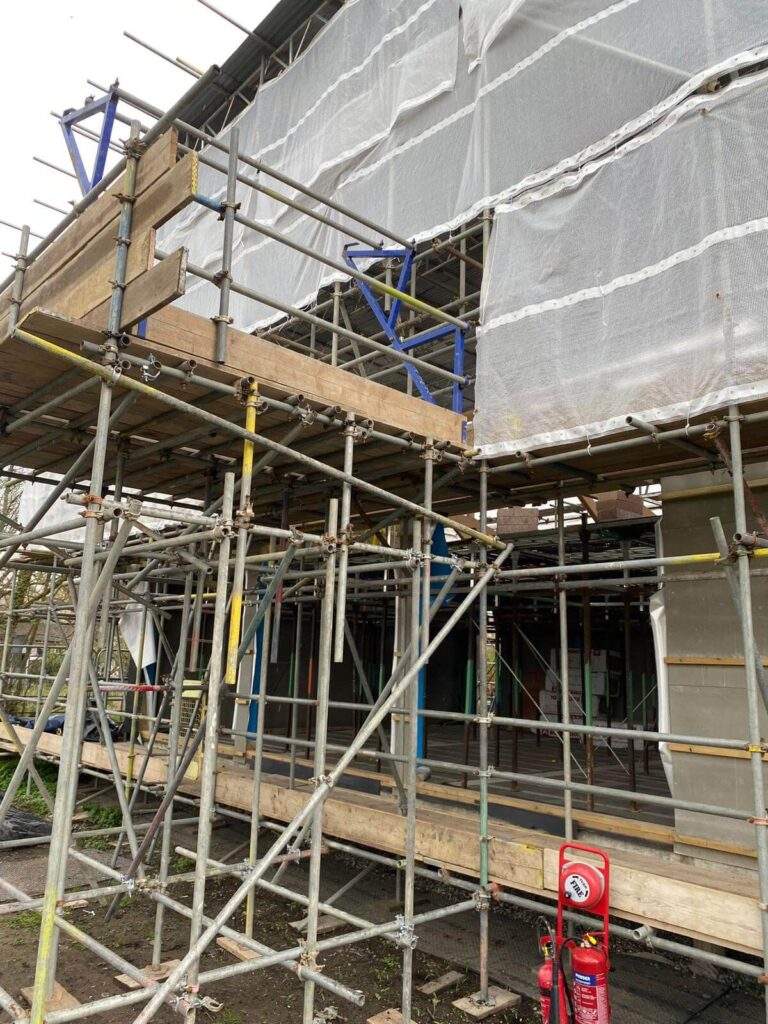
How it Differs from Steel Scaffolding
Steel scaffolding is known for its extreme load-bearing capacity, making it the industry standard for large-scale construction projects where heavy materials are lifted and stored at height. Aluminium, on the other hand, is better suited to light-to-medium duty tasks. While it may not handle the same loads as steel, it provides more than enough strength for most household jobs, commercial maintenance, and short-term projects.
Another key difference is resistance to corrosion. Aluminium naturally forms a protective oxide layer, making it more resistant to rust than untreated steel. This makes it an ideal option for outdoor work, especially in damp or coastal environments.
Typical Uses in Domestic and Commercial Projects
Aluminium scaffolding is versatile and widely used in:
- Home renovations — such as replacing windows, roofline repairs, or exterior painting.
- Maintenance work — for shops, offices, and public buildings.
- Access for trades — painters, decorators, and electricians often prefer aluminium towers for quick set-ups.
- Short-term projects — where easy assembly and dismantling save both time and labour costs.
Key Advantages of Aluminium Scaffolding
Aluminium scaffolding has become a go-to choice in many industries because it combines practicality with performance. From domestic projects to small commercial jobs, it delivers benefits that make it easier, faster, and safer to work at height. Here are the main advantages explained in detail.
Lightweight but Strong
The standout benefit of aluminium scaffolding is its weight. Aluminium is around three times lighter than steel, which makes scaffold components far easier to lift, carry, and manoeuvre. This lightweight quality reduces manual strain for workers, lowers the risk of handling injuries, and speeds up transport between sites.
Despite being lighter, aluminium still offers impressive strength. Modern aluminium scaffolds are engineered to meet strict safety standards, capable of supporting workers and tools securely for light-to-medium duty tasks. For everyday jobs such as decorating, roofline maintenance, or small-scale construction, aluminium scaffolding delivers all the strength needed.
Fast and Easy Assembly
Because the tubes are lighter and easier to handle, aluminium scaffolding can be assembled and dismantled much more quickly than steel. For short-term projects where time is critical, this can make a significant difference. Contractors can save labour hours, while homeowners and small businesses benefit from reduced hire times and lower overall costs.
The quicker setup also means less disruption to the surrounding environment. A scaffold tower for painting a house front, for example, can be erected in a fraction of the time compared to steel, allowing the work to start sooner.
Corrosion Resistance and Durability
Aluminium naturally forms a protective oxide coating that prevents rust. This gives aluminium scaffolding a longer lifespan in outdoor environments, even without regular treatment or painting. By contrast, steel scaffolding needs protective coatings and maintenance to stop corrosion, especially in damp or coastal locations.
This resistance to rust means aluminium scaffolding is ideal for year-round use and long-term storage. Contractors can invest in aluminium systems knowing they will last for many years with minimal upkeep.
Flexibility for Different Projects
Another major advantage of aluminium scaffolding is its versatility. It is commonly used for:
- Domestic work — decorating, gutter repairs, and home extensions.
- Trades — painters, plasterers, and electricians rely on aluminium access towers.
- Temporary projects — maintenance tasks where quick assembly and dismantling are essential.
Because it is easy to transport and assemble, aluminium scaffolding is well-suited to smaller or hard-to-reach areas where steel scaffolding would be too heavy or time-consuming to use.
Cost-Effectiveness
While steel scaffolding is often required for large-scale projects, aluminium is more cost-effective for smaller jobs. Hire and purchase prices are generally lower, and the quicker assembly reduces labour costs. The lightweight nature of aluminium also cuts down on transport expenses, making it a practical choice for contractors and homeowners alike.
Over time, the durability and reduced maintenance needs of aluminium scaffolding add further value. It is a long-term investment that pays off across multiple projects.
Environmental Benefits
Aluminium is highly recyclable, making it one of the most sustainable construction materials available. When scaffolding reaches the end of its life, the metal can be recycled repeatedly without losing strength or quality. This reduces waste and lowers the environmental impact of construction projects.
In addition, because aluminium scaffolding is lighter, it reduces the fuel consumption required for transport compared to heavier steel systems. This makes it a more eco-friendly choice, particularly for companies keen to reduce their carbon footprint.
Aluminium vs Steel Scaffolding: A Direct Comparison
While aluminium scaffolding has many advantages, steel still plays a vital role in construction. Choosing between them depends on the type of project, the loads involved, and the conditions on site. Here’s a balanced look at where aluminium excels and where steel continues to hold its ground.
Where Aluminium Excels
Aluminium is the better option when speed, flexibility, and convenience are key. Its lightweight nature makes it far easier to move and erect, especially for short-term or mobile projects. Trades like painters, decorators, and maintenance contractors often prefer aluminium towers because they can be set up quickly by a small team, reducing disruption and saving money.
The corrosion resistance of aluminium also makes it a good choice for outdoor use, particularly in damp or coastal areas where steel could rust if not treated. For homeowners and small businesses, the lower hire and transport costs make aluminium scaffolding an affordable and efficient solution.
Where Steel is Still Better
Steel scaffolding has one major advantage over aluminium: sheer strength. For large-scale construction projects, heavy-duty works, or situations where significant weight loads must be supported, steel is the safer and more practical choice.
Steel is less likely to bend under pressure, and it can withstand the rigours of very tall or complex scaffolding structures. This makes it the standard for high-rise buildings, heavy-duty industrial projects, and long-term scaffolding setups.
In these situations, the extra weight of steel is less of a drawback, as the scaffolding is designed to stay in place for extended periods. Contractors value the uncompromising strength of steel for projects where safety margins need to be as wide as possible.
Choosing the Right Material for Your Project
The decision between aluminium and steel scaffolding comes down to the job at hand. For lightweight, short-term, or mobile projects, aluminium provides the ideal mix of strength, speed, and convenience. For large, heavy-duty, or long-term builds, steel remains the more appropriate choice.
Many contractors use a combination of both, selecting aluminium for access towers and lighter jobs, while relying on steel for the main framework of large construction sites. Understanding the strengths and weaknesses of each material ensures that scaffolding is chosen wisely, balancing safety, cost, and practicality.
Real-World Scenarios
The benefits of aluminium scaffolding become clearer when you look at how it’s used in everyday projects. From small home improvements to larger commercial jobs, aluminium proves its worth in situations where speed, convenience, and flexibility matter most.
Home Renovations and DIY
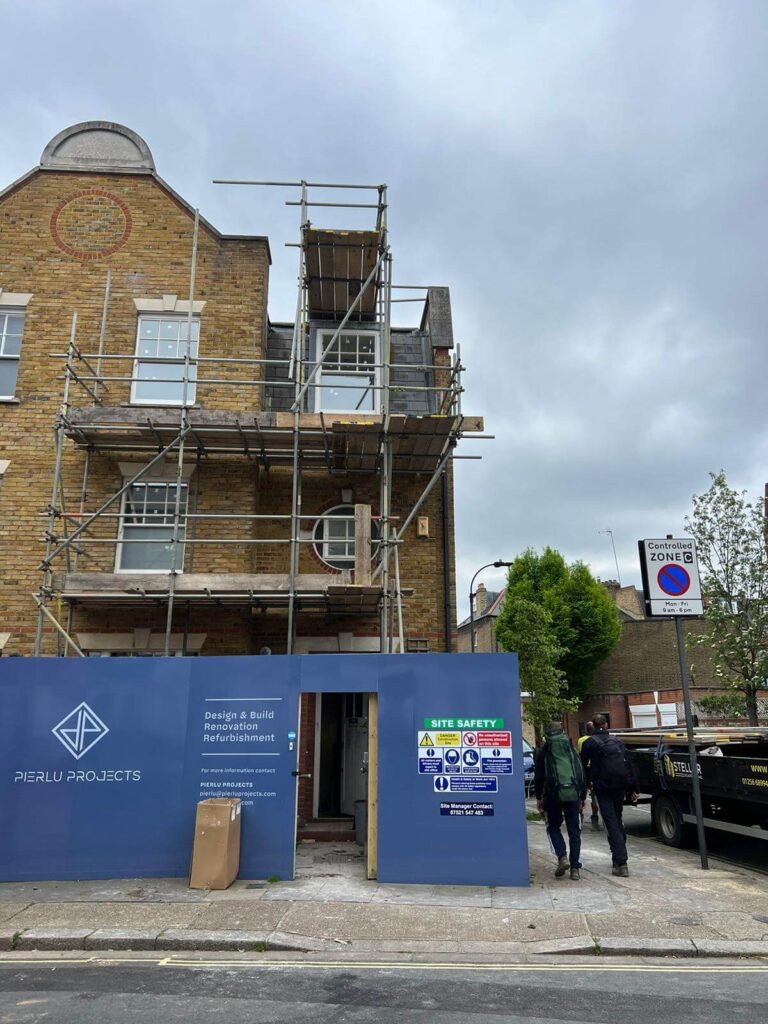
For homeowners carrying out renovations, aluminium scaffolding is a game-changer. Whether it’s repainting the outside of a house, repairing guttering, or replacing windows, aluminium towers provide safe and stable access without the need for heavy equipment.
Because the components are light, two people can usually assemble and dismantle an aluminium tower quickly, even in a confined garden or driveway. This makes it a popular choice for DIY enthusiasts who need access for a few days but don’t want the disruption of a large steel structure outside their home.
Painters and Decorators
Trades like painters and decorators often move between jobs quickly. Aluminium scaffolding gives them the flexibility to set up a safe working platform within minutes, complete the task, and dismantle it just as fast.
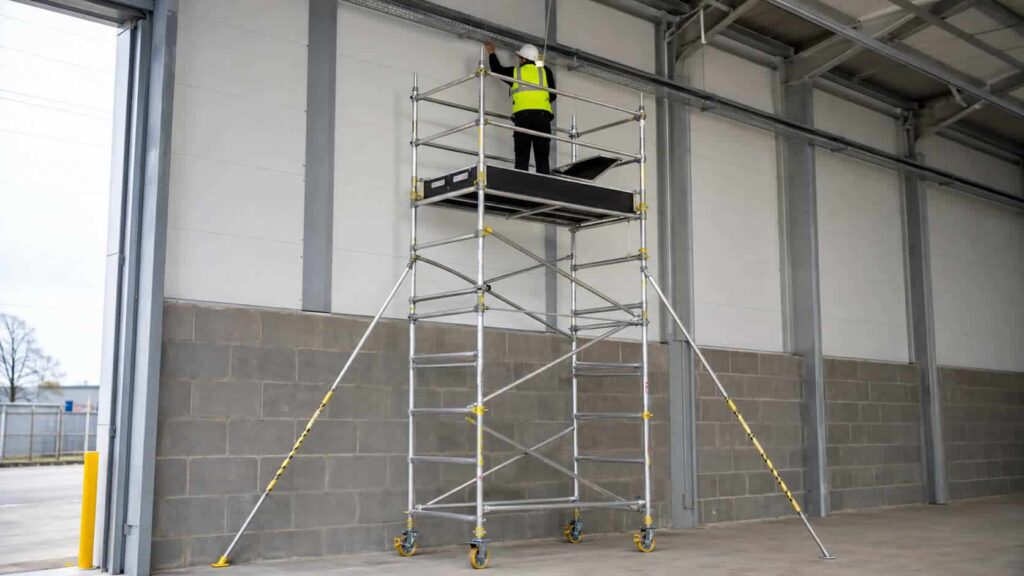
For indoor work, aluminium towers are especially useful. They can be wheeled into place, adjusted for height, and used in tight spaces where ladders would be unsafe. This combination of mobility and stability makes them the preferred option for many decorating professionals.
Commercial Maintenance and Temporary Projects
Businesses often need access for short-term maintenance tasks, such as repairing signage, replacing lighting, or cleaning exterior cladding. In these cases, aluminium scaffolding is the most practical option.
It can be erected quickly during off-peak hours, minimising disruption to customers or staff, and dismantled just as easily once the job is done. The corrosion resistance of aluminium also means it can be used confidently outdoors, even in poor weather.
For temporary projects like shop refits or office maintenance, aluminium scaffolding strikes the right balance between safety and convenience.
Myth-Busting Aluminium Scaffolding
Although aluminium scaffolding has grown in popularity, there are still some common misconceptions that put people off. Let’s clear up a few of the biggest myths and explain the reality.
Myth 1: Aluminium is Weak
A frequent misunderstanding is that because aluminium is lightweight, it must be weak. In truth, aluminium alloys used in scaffolding are engineered for strength and durability. While aluminium may not match the heavy load-bearing power of steel, it is more than strong enough for light-to-medium duty projects such as decorating, maintenance, and small-scale construction.
Modern aluminium scaffolds are tested to strict safety standards, meaning they can safely support workers, tools, and materials when used correctly.
Myth 2: Aluminium Scaffolds Are Unsafe at Height
Another myth is that aluminium scaffolds are unsafe to use above a certain height. In reality, aluminium scaffolding is designed with safety in mind and can be used safely at significant heights, provided it is erected properly and within the manufacturer’s guidelines.
The key to safety is not the material alone but how the scaffold is designed, assembled, and inspected. With correct bracing, stabilisers, and platforms, aluminium scaffolds are just as safe as other systems for the tasks they’re built to handle.
Myth 3: Aluminium Doesn’t Last Long
Some believe aluminium scaffolding wears out quickly compared to steel. In fact, aluminium’s natural resistance to corrosion means it often outlasts untreated steel in outdoor conditions. The protective oxide layer prevents rust, making aluminium ideal for damp or coastal environments where steel would require extra coatings and maintenance.
With proper use and care, aluminium scaffolding can last many years, making it a reliable long-term investment for contractors and homeowners alike.
Checklist for Choosing an Aluminium Scaffolding Supplier
Selecting the right scaffolding supplier is just as important as choosing the right material. Even the best aluminium system can become unsafe if it isn’t supplied, erected, or inspected correctly. Here’s a practical checklist to help you make the right choice.
Quality of Materials
Not all aluminium scaffolds are the same. Make sure your supplier provides high-quality, certified aluminium systems that meet recognised safety standards. Poor-quality or counterfeit equipment can compromise safety and shorten the lifespan of the scaffold.
Safety Standards and Certification
Check that the supplier’s scaffolding complies with UK and European safety standards. This ensures the equipment has been tested for strength, stability, and durability. Certification provides peace of mind that the scaffold can handle the intended use.
Insurance and Liability Cover
A reputable supplier should carry full insurance to cover their work, including public liability. This protects both you and the supplier if accidents occur during erection, use, or dismantling of the scaffold. Never assume insurance is in place — always confirm it.
Trained and Competent Erectors
Even lightweight aluminium scaffolding needs to be erected by competent individuals. Look for suppliers whose teams are trained, experienced, and properly qualified. Safe assembly reduces risks and ensures the scaffold performs as designed.
Inspections and Ongoing Support
Good suppliers don’t just deliver scaffolding and walk away. They offer inspections, maintenance checks, and ongoing support throughout the hire or project. Regular inspections ensure that the scaffold remains safe, particularly on longer jobs.
Public Safety Mini-Guide
Aluminium scaffolding is safe when used correctly, but accidents can happen if it isn’t respected. Whether scaffolding is set up outside a home, a shop, or a workplace, the public often comes into contact with it. Here’s a simple mini-guide to keeping everyone safe.
Proper Assembly and Inspections
Safety starts with correct assembly. Aluminium scaffolds must be erected following the manufacturer’s instructions and checked regularly for stability. Inspections at the start of each day’s work ensure that nothing has shifted overnight and that the structure remains safe for use.
Safe Loading Practices
Scaffolding has weight limits, even when made from strong aluminium alloys. Overloading with heavy materials, tools, or multiple workers can compromise stability. Always stick to recommended weight capacities and distribute loads evenly across platforms.
Keeping Children and Untrained People Away
Children are naturally curious and may see scaffolding as something to climb. It’s important to keep them — and anyone not trained to use scaffolding — well away. Barriers, signage, and supervision all help reduce the risk of accidents.
Weather Considerations
Aluminium scaffolding is resistant to corrosion, but it can still be affected by weather. High winds, heavy rain, or icy conditions make climbing unsafe. Work should be delayed during severe weather to protect both workers and the public.
Our Final Say: Why Aluminium Scaffolding is the Smart Choice
Aluminium scaffolding has earned its place as a reliable, versatile, and cost-effective solution for working at height. Its lightweight design makes it easier to handle, quicker to assemble, and more flexible than steel in many situations. Add in the natural resistance to corrosion, long lifespan, and environmental benefits, and it’s clear why so many homeowners, tradespeople, and businesses now choose aluminium systems.
That’s not to say steel scaffolding doesn’t have a role — it remains the material of choice for heavy-duty, large-scale construction projects. But for smaller builds, home improvements, decorating work, and temporary access, aluminium offers the ideal balance of strength, safety, and convenience.
By separating the myths from the facts and understanding where aluminium scaffolding shines, you can make the right choice for your next project.
Contact Stellar Scaffolding
At Stellar Scaffolding, we provide high-quality aluminium scaffolding solutions for homes, businesses, and contractors across the UK. Whether you’re planning a small renovation, need safe access for painting and decorating, or require temporary scaffolding for commercial maintenance, our team can help.
We pride ourselves on supplying durable, certified equipment that meets strict safety standards. Our trained scaffolders ensure every system is assembled, inspected, and dismantled with care, giving you complete peace of mind from start to finish.
If you’re looking for scaffolding that combines safety, flexibility, and long-term value, get in touch today. Call us on 01256 689948 to speak with our team and arrange a free consultation about your project.