Have you ever looked up at a construction site and marvelled at the structure of scaffolding? It seems like such a precarious structure, yet it remains sturdy and secure as workers move about on it. But have you ever wondered how exactly scaffolding stays up? In this blog post, we will explore the science behind the stability of scaffolding and how it is able to support the weight of workers, materials, and equipment.
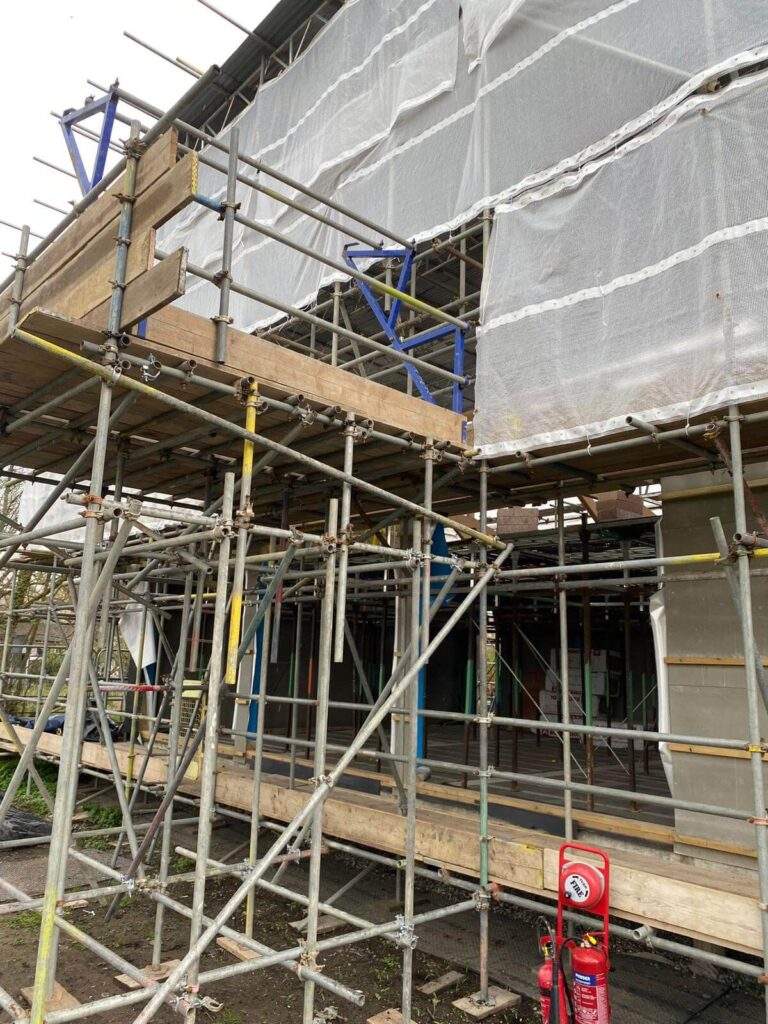
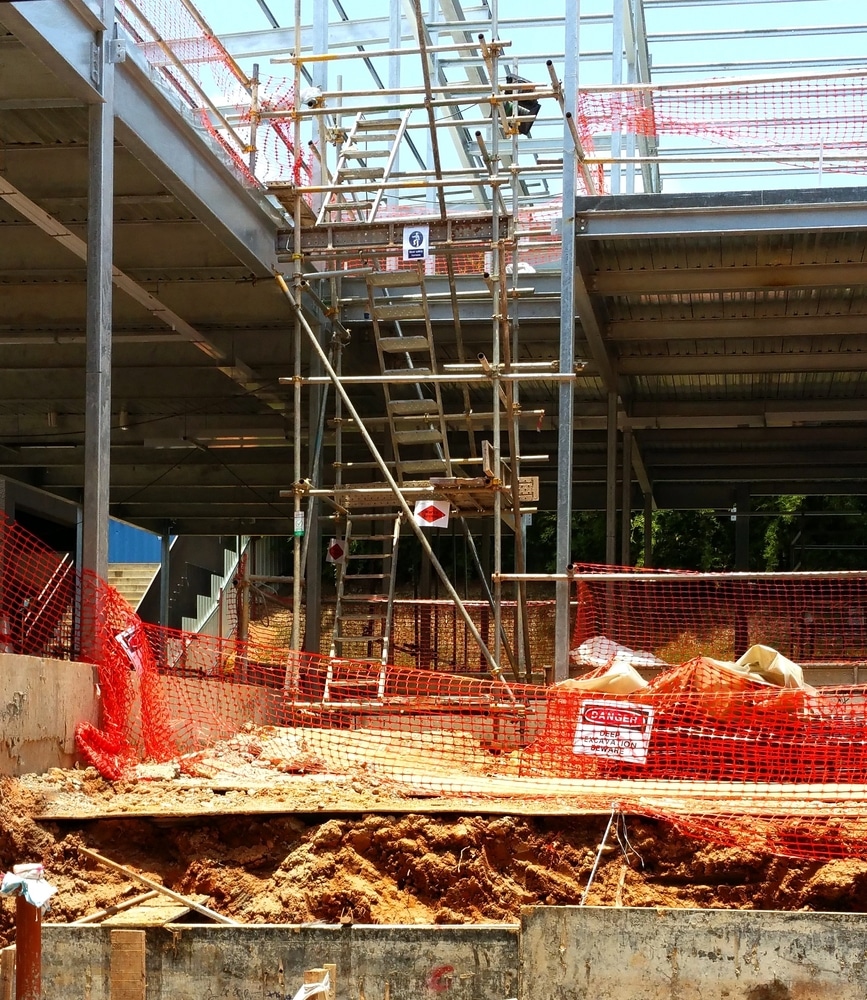
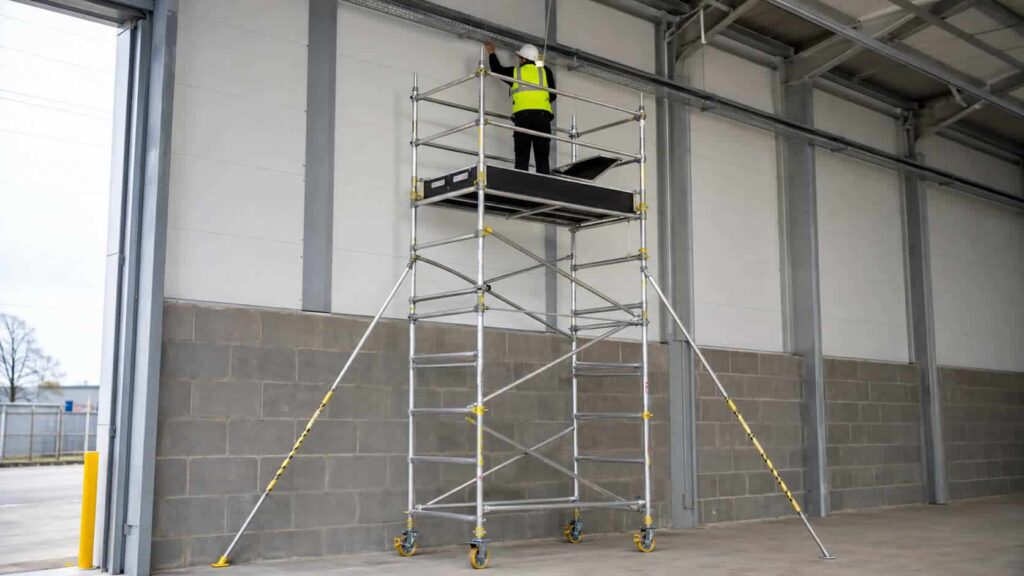
Scaffolding is typically made up of metal tubes or wooden planks that are connected together to form a temporary structure. The key to its stability lies in its design and construction. Scaffolding is built with a series of vertical supports called standards that are connected by horizontal members known as ledgers. These elements work together to distribute the weight of the structure evenly and prevent it from toppling over. Additionally, diagonal braces are often used to provide extra support and prevent lateral movement.
Another important factor in keeping scaffolding upright is anchoring. Scaffolding must be securely anchored to the building or structure it is being used on to prevent any movement or collapse. This can be done using tie rods, bolts, or other anchoring systems that connect the scaffold to the building at various points. Proper anchoring ensures that the scaffold remains stable even in windy conditions or when heavy loads are placed on it.
The materials used in scaffolding also play a crucial role in its ability to stay up. Metal tubes used in modern scaffolding are often made from high-strength steel that can withstand heavy loads without bending or breaking. Wooden planks are treated with preservatives to make them more durable and resistant to rotting or warping. These strong materials ensure that the scaffold can support not only the weight of workers but also construction materials and equipment.
In addition to design, anchoring, and materials, proper assembly and maintenance are essential for keeping scaffolding upright. Scaffolding must be assembled according to industry standards by trained professionals who understand how to safely construct and dismantle the structure. Regular inspections should be conducted to check for any signs of wear or damage that could compromise its stability.
Understanding how scaffolding stays up requires knowledge of its design, anchoring, materials, assembly, and maintenance. By following proper procedures and using high-quality materials, scaffolding can provide a safe working platform for construction workers while they perform their tasks at height. So next time you look up at a construction site and see scaffolding towering above you, you can appreciate the science behind how it stays up.
How Long Can Scaffolding Be Left Up?
When it comes to scaffolding, there’s no one-size-fits-all answer for how long it can remain in place. The duration depends on various factors, including the project’s nature, weather conditions, and local regulations. Generally, scaffolding should only be left up for as long as it’s necessary to complete the work safely.
For short-term projects, scaffolding might be in place for just a few days or weeks. However, for larger construction or renovation projects, it could remain for several months or even longer. It’s crucial to regularly inspect the scaffolding throughout its use to ensure it remains stable and safe.
In the UK, the Health and Safety Executive (HSE) recommends that scaffolding be inspected at least every seven days or after any event that could affect its stability, such as severe weather or accidental damage. These inspections help identify any potential issues and ensure the scaffolding continues to meet safety standards.
It’s worth noting that leaving scaffolding up for extended periods without use can pose risks. It may become a target for vandalism or theft, and prolonged exposure to the elements can compromise its structural integrity. Therefore, it’s best practice to dismantle scaffolding promptly once the work is complete or if there’s a significant pause in the project.
Project managers should consider the following when determining scaffolding duration:
- Project timeline: Scaffolding should align with the overall project schedule.
- Weather conditions: Prolonged exposure to harsh weather can compromise scaffolding integrity.
- Safety concerns: Extended periods may increase the risk of accidents or unauthorised access.
- Cost implications: Longer durations can lead to higher rental and insurance costs.
- Local authority permits: Some areas require permits for scaffolding, which may have time restrictions.
Should Scaffolding be Attached to the Building?
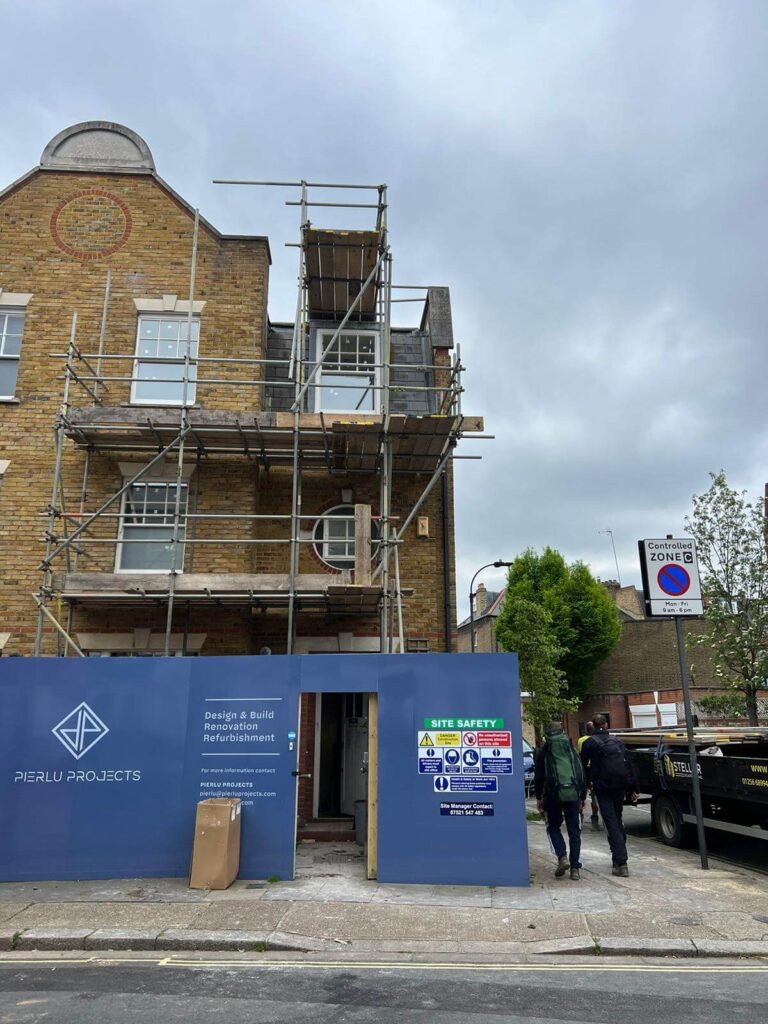
Scaffolding safety is paramount in construction and renovation projects, and one common query is whether scaffolding should be attached to the building it surrounds. In most cases, the answer is a resounding yes. Attaching scaffolding to the structure provides crucial stability and support, significantly reducing the risk of collapse or movement.
There are several methods for securing scaffolding to buildings, including tie-ins, anchors, and braces. These attachments help distribute the weight of the scaffolding and any workers or materials on it, ensuring a safer working environment. Moreover, proper attachment helps the scaffolding withstand external forces such as wind or accidental impacts.
It’s important to note that the specific attachment methods and requirements may vary depending on the height of the scaffolding, the type of building, and local regulations. Professional scaffolders should always be consulted to ensure that the scaffolding is erected and attached correctly, in compliance with all safety standards and guidelines.
While there may be exceptions in certain circumstances, such as when working on historical buildings or in situations where attachment is not feasible, these cases require special consideration and alternative safety measures. Generally, attaching scaffolding to the building remains the safest and most reliable approach for most construction projects.
If you are searching for Scaffolders in Basingstoke and surrounding areas, contact Stellar Scaffolding for more information.