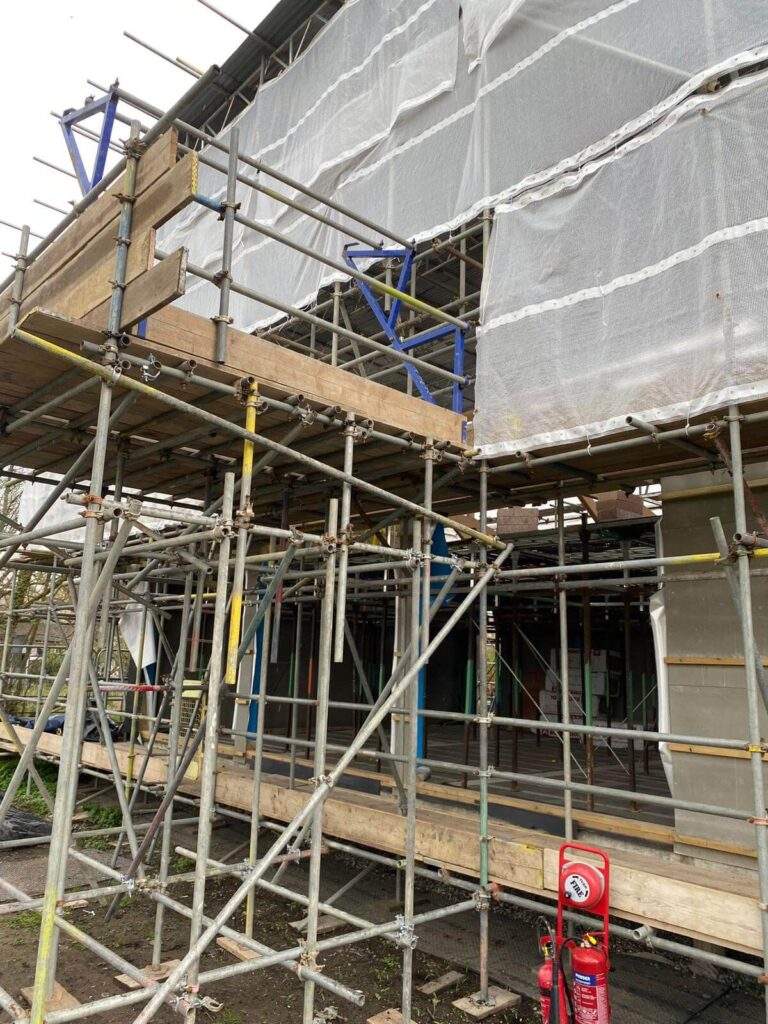
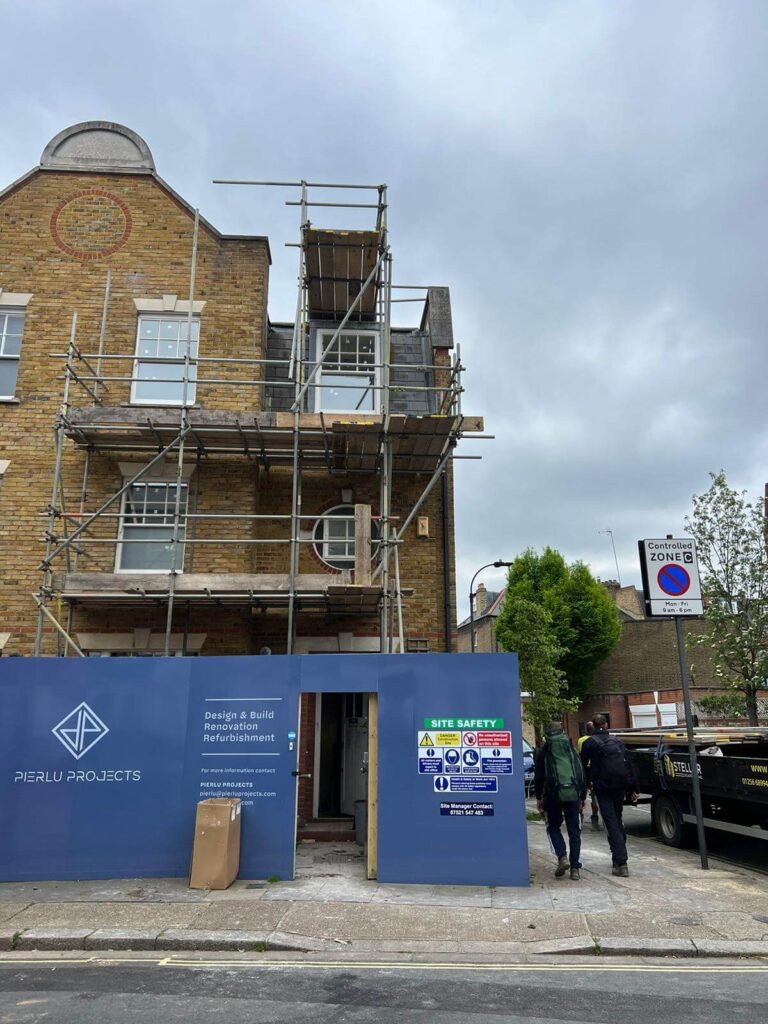
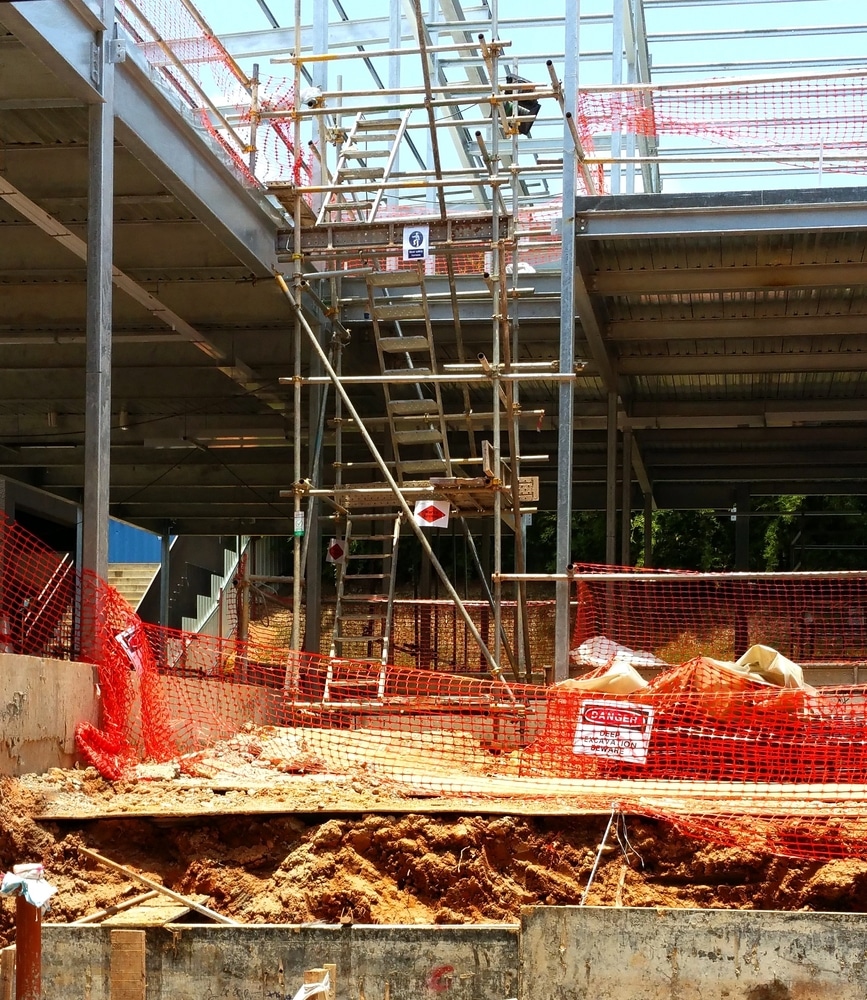
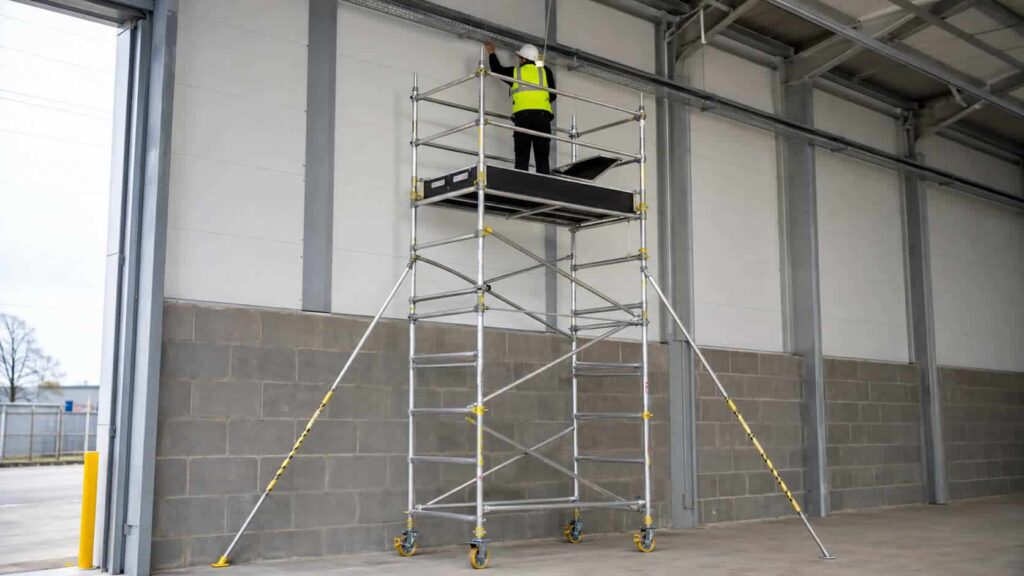
Cantilever scaffolding is one of those clever designs that allows safe access to places where ordinary scaffolding just won’t work. It’s often used when the ground below can’t support vertical standards — perhaps because of traffic, fragile roofing, or limited working space. Instead of being built up from the ground, the scaffold projects out horizontally from a building or structure and is held securely by anchors and bracing.
At Stellar Scaffolding, designing this type of system is second nature. The company’s team of qualified scaffold designers and installers create safe, compliant access solutions across the South of England. Every design follows strict UK guidance including NASC TG20, BS EN 12811, and the Work at Height Regulations 2005, ensuring that every cantilever scaffold meets the highest possible safety standard.
What Is Cantilever Scaffolding?
A cantilever scaffold is a structure that extends outwards from a building or frame without using ground supports. Instead, the weight of the working platform and the people on it is transferred back through metal beams called needles. These needles are firmly anchored into a stable wall or structural frame, allowing the platform to hang safely over the space below.
Imagine a balcony supported by strong brackets — that’s essentially how a cantilever scaffold works. It gives workers a solid, stable place to stand without needing posts or towers on the ground.
Cantilever scaffolds can be temporary, modular, or specially designed to fit around complex building shapes. They’re often built using traditional steel tube and fitting systems, but modern modular designs are also becoming popular for speed and precision.
When and Why Cantilever Scaffolding Is Used
Cantilever scaffolding is ideal in situations where ground-based systems would get in the way or where the ground can’t safely bear weight. Typical examples include:
- Busy areas, such as shopfronts, pavements, or entrances where public access needs to remain open.
- Over fragile surfaces, like glass roofs, conservatories, or lightweight canopies.
- Along riverbanks or bridges, where there’s no solid ground underneath.
- Industrial environments, where machinery, tanks, or walkways block ground access.
Because the entire system is supported by anchor fixings, the design must be carefully planned. Engineers at Stellar Scaffolding assess each site to make sure the building or structure can safely support the load of the platform, tools, and workers. The result is a practical solution that delivers access without disrupting the area below.
The Principles Behind Cantilever Scaffolding
Although the details of design are handled by engineers, the basic idea is easy to understand. The working platform acts a bit like a seesaw. The section that sticks out supports workers and materials, while the part fixed to the building provides the counterbalance.
Anchors and bracing ensure that everything stays in position, even under changing loads or windy conditions. The strength of the wall or structure, the type of anchors used, and the spacing between them all play a part in determining how far the scaffold can safely project.
The maximum length of cantilever scaffolding is therefore not a fixed number. It depends on several factors, including:
- The weight of the materials and people using it.
- The strength of the structure it’s attached to.
- The quality of the anchors and fixings.
- The materials used to build the scaffold (steel, aluminium, or modular system).
- The environment, such as wind exposure and vibration.
In practice, most cantilever scaffolds extend between one and three metres, but only a qualified designer can confirm what’s safe for a particular site.
Staying Compliant with UK Standards
Cantilever scaffolding is classed as a “special scaffold” under UK guidance, which means it must always be designed by a competent engineer. Three key standards apply:
- NASC TG20 – provides design guidance for tube-and-fitting scaffolds and acceptable tie patterns.
- BS EN 12811 – sets the structural and performance requirements for temporary works.
- Work at Height Regulations 2005 – requires all scaffolds to be properly planned, erected, and inspected to prevent falls.
Stellar Scaffolding integrates these standards into every design. Before any materials reach site, engineers produce full drawings and calculations that show exactly how the scaffold will perform. Once installed, the structure is inspected before first use and at least every seven days thereafter, or after severe weather.
This meticulous approach ensures each cantilever scaffold not only meets regulation but delivers total peace of mind for the client.
Comparing Cantilever Scaffolding with Other Types
There are several main forms of scaffolding used in UK construction. Each serves a particular purpose depending on access requirements and site conditions.
| Type | How It’s Supported | Typical Use | Strengths | Limitations |
|---|---|---|---|---|
| Supported Scaffolding | Ground-based vertical standards | New builds, façades | Simple and strong | Needs firm, level ground |
| Suspended Scaffolding | Hung from the roof by ropes or chains | Window cleaning, high-rise maintenance | Adjustable height | Limited load capacity |
| Putlog Scaffolding | Supported partly by the wall | Bricklaying, small façades | Quick to erect | Only works with suitable walls |
| Cantilever Scaffolding | Anchored to the structure, projecting out | Above obstacles, over glass or traffic | Keeps area below clear | Needs specialist design |
Cantilever scaffolding stands out because it keeps walkways, roofs, and work areas clear. While it demands more planning, it’s often the only safe way to reach awkward areas without closing off spaces or interrupting everyday operations.
Safety Comes First
Because cantilever scaffolds rely on anchor points rather than ground supports, regular inspection and maintenance are vital. A competent person should check:
- All anchors and fixings for tightness or signs of movement.
- Braces and ledgers for damage or corrosion.
- Guardrails, toe boards, and platforms for secure fitting.
- Access ladders and entry points for stability.
Under the Work at Height Regulations, a formal inspection report must be completed every seven days and whenever the scaffold is altered, damaged, or exposed to high winds.
Stellar Scaffolding maintains rigorous inspection logs and uses only certified materials tested to British Standards. Their teams are trained to spot early signs of wear or instability, ensuring each structure remains safe throughout its lifespan.
Real-World Example of Cantilever Scaffolding in Use
To see how this works in practice, imagine a historic high-street building where the shopfront must stay open while the upper façade is being restored. There’s no room for traditional towers, and the pavement must remain clear for pedestrians.
In this situation, Stellar Scaffolding might design a cantilever system projecting from the building’s upper floors. Anchors would be installed into load-bearing sections of the wall, and steel needles would extend outward to hold a working platform. Once the structure is in place, decorators or masons can safely carry out their work without blocking the shop entrance below.
This approach allows the business to operate as usual, keeps the public safe, and ensures the project runs smoothly — all without compromising access or safety.
Key Benefits of Cantilever Scaffolding
Cantilever systems may be more complex to design, but they bring several clear advantages:
- Unobstructed ground space – perfect for keeping pavements, driveways, or shopfronts open during work.
- Strong and stable – when designed correctly, cantilever scaffolds can safely handle the same loads as traditional systems.
- Adaptable design – the structure can be built to fit around curves, overhangs, or irregular shapes.
- Less ground preparation – no need for foundations, base plates, or sole boards.
- Minimal disruption – ideal for high-traffic or sensitive environments.
Each design is unique, but the core principle remains the same: a strong, stable platform that delivers reliable access wherever it’s needed.
Regular Maintenance and Inspections
Even though cantilever scaffolds are temporary, they must remain safe for the duration of the project. Stellar Scaffolding’s maintenance process includes:
- Routine checks by qualified inspectors.
- Replacement of any worn fittings or boards.
- Verification of anchor fixings after extreme weather.
- Documentation of every inspection, stored and shared with the client.
These checks are vital for compliance and demonstrate that the scaffold continues to meet the same safety standards it was designed for.
Internal Links & Related Services
For anyone planning a project that involves challenging access or complex structures, Stellar Scaffolding offers a full range of design and installation services.
- Scaffolding Design Services – bespoke drawings and engineered solutions for all scaffold types.
- Health & Safety Compliance – ensuring every system meets NASC and HSE requirements.
- Temporary Roof Systems – protecting projects from weather while work continues safely.
- About Stellar Scaffolding – background, accreditations, and coverage areas.
These pages provide more detail about how the company combines design precision with practical experience to deliver safe, cost-effective scaffolding across commercial, residential, and industrial sites.
Our Final Say!
The maximum length of cantilever scaffolding depends on many factors — from anchor strength and material quality to environmental conditions and site layout. What remains constant is the need for expert design, thorough inspection, and full regulatory compliance.
For businesses or contractors planning work in restricted or sensitive spaces, cantilever scaffolding offers a safe, efficient solution — provided it’s handled by professionals.
Stellar Scaffolding brings years of experience in designing and erecting complex systems that meet every safety requirement while keeping projects on schedule.
For guidance, quotes, or design support, contact Stellar Scaffolding today on 01256 689948 or visit stellarscaffolding.com to learn more about their professional scaffolding services.