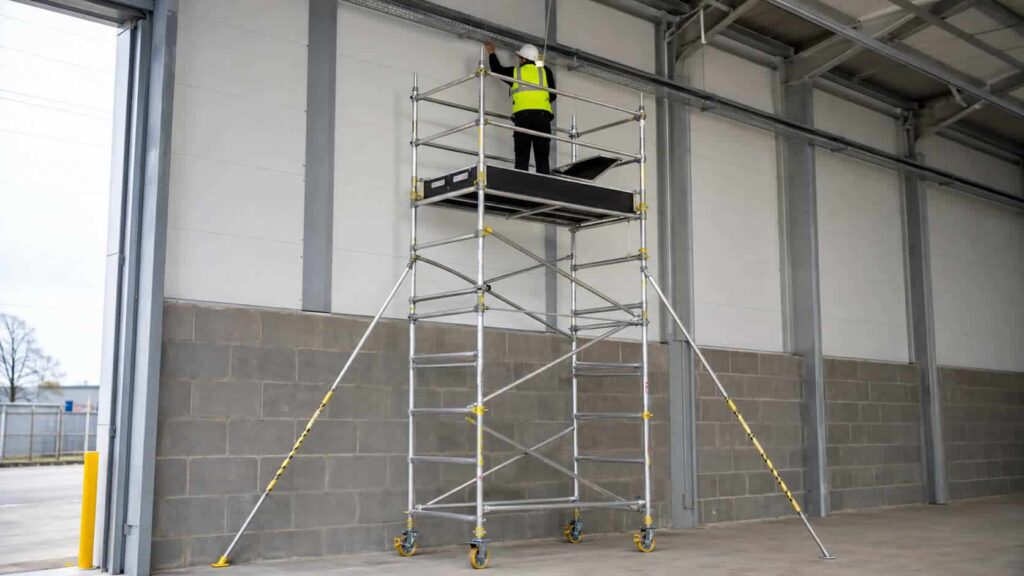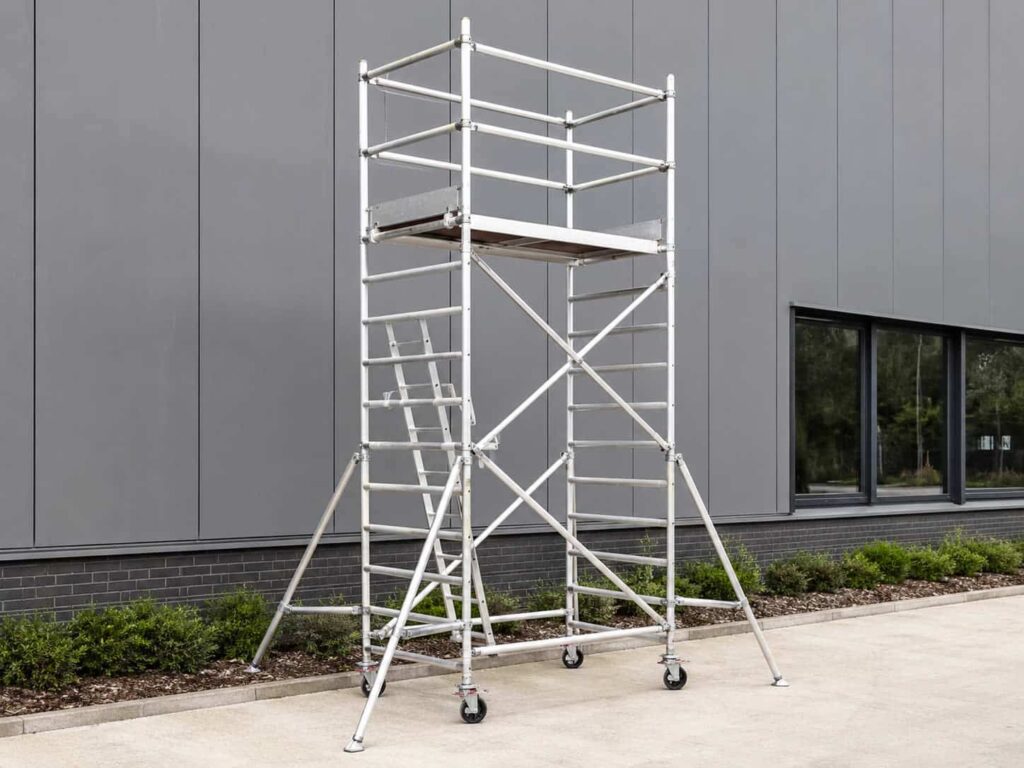
A mobile scaffold tower is a temporary access platform built from lightweight modular sections and fitted with castors so it can be moved into different positions. It is commonly used for maintenance, decorating, inspections, lighting work, gutter access, internal repairs and other tasks where a ladder does not give enough stability but full scaffolding may not be necessary.
The main appeal is flexibility. A mobile tower can be assembled, positioned and moved around a work area more easily than fixed scaffold. That makes it useful for jobs that happen in several nearby spots rather than one fixed elevation. However, the word mobile can be misleading if it makes the tower sound simple or casual. It still needs correct assembly, level ground, safe use and proper checks before anyone works from it.
What A Mobile Scaffold Tower Is Designed To Do
A mobile scaffold tower provides a raised working platform with guardrails, toe boards and built-in access. It gives the user more room and stability than a ladder, which is why it is often used for tasks that need both hands. It may be used indoors or outdoors, depending on the tower type, height, surface and work conditions.
Unlike traditional scaffolding fixed to a building, a mobile tower is usually freestanding. The castors allow it to be repositioned, but only when nobody is on the tower and the area is suitable. It should never be treated as a rolling platform while people, tools or materials are on it. Moving a tower safely is part of using it correctly.
Where Mobile Scaffold Towers Are Commonly Used
Mobile scaffold towers are often used in homes, offices, shops, schools, warehouses, halls, workshops and smaller construction sites. Indoors, they can help with ceilings, lighting, painting, signage, air conditioning grilles and maintenance above normal reach. Outdoors, they can help with short-term access to walls, gutters, fascias, soffits, signage and low roofline features.
The tower is most suitable where the work area is reasonably level and where the user needs to move along a surface in stages. For example, a decorator painting a large internal wall may move the tower several times during the job. A maintenance contractor replacing lights in a hall may reposition the tower under each fitting. A gutter repair may only need localised access to one section.
How A Mobile Tower Differs From Fixed Scaffolding
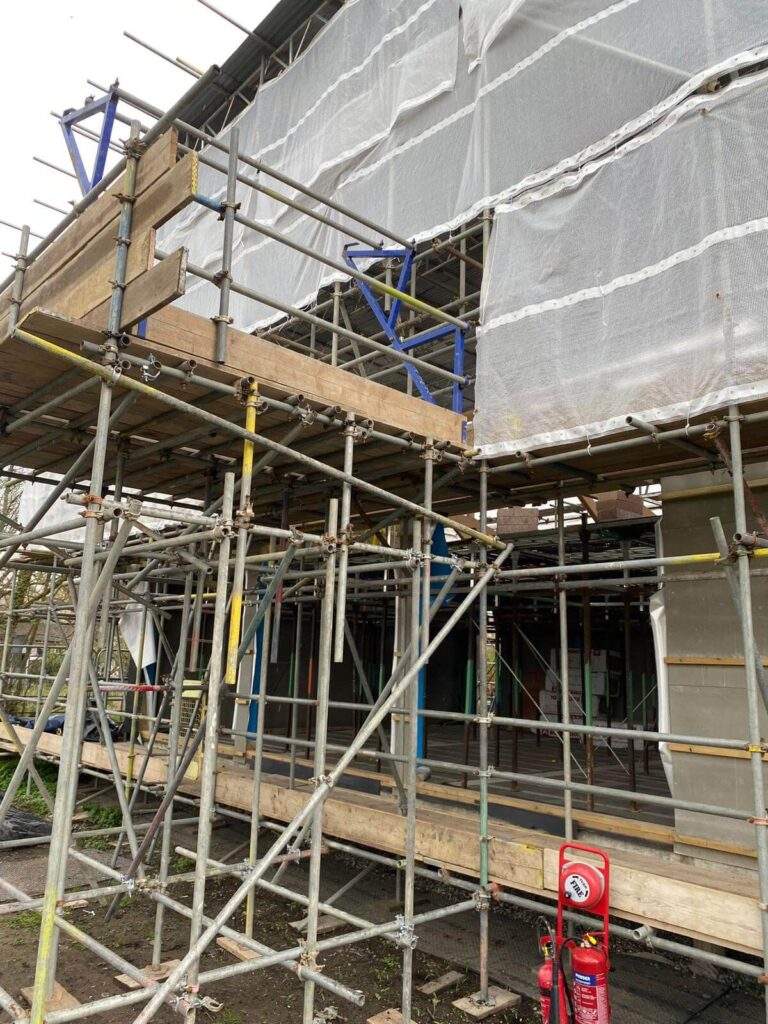
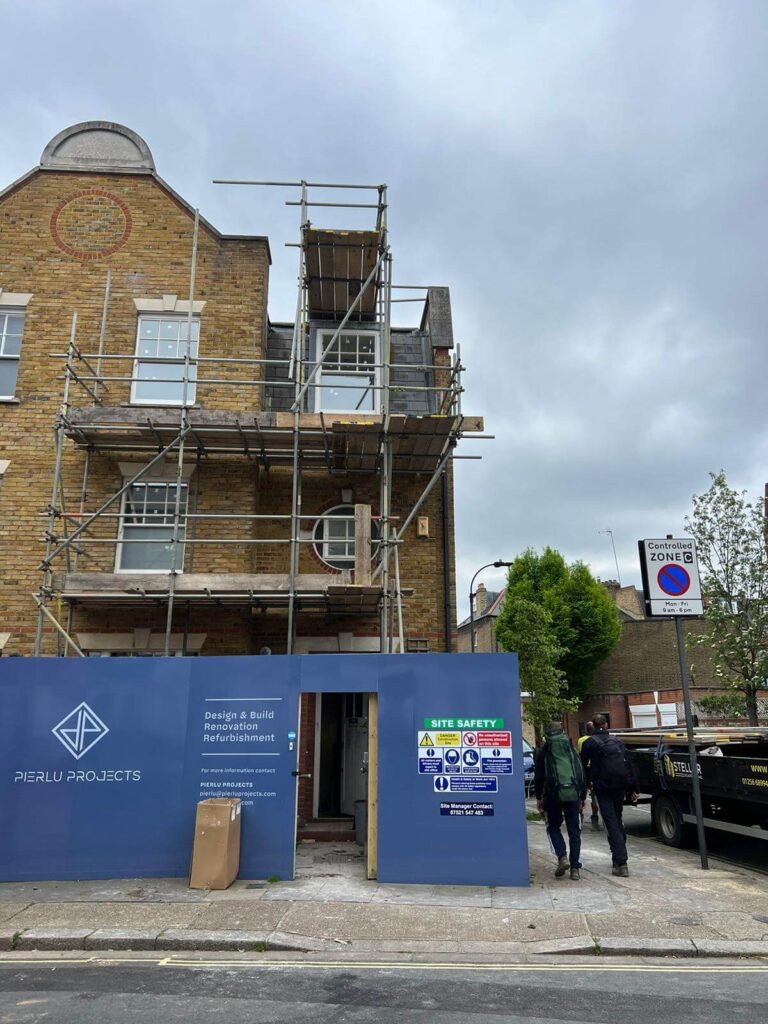
The biggest difference is that fixed scaffolding is usually built for a specific elevation or structure, while a mobile tower is designed for shorter, localised access. Fixed scaffolding can provide longer working platforms, higher levels, stronger loading arrangements and better access for more complex building work. It is often better for roofing, rendering, cladding, chimney repairs, solar panel installation and full elevations.
A mobile scaffold tower is more compact and flexible, but that also creates limits. It may not suit sloping ground, long projects, awkward roof access, heavy materials or work that requires several people at height. Choosing between the two depends on the job rather than on which option looks cheaper or quicker at first.
The Main Parts Of A Mobile Scaffold Tower
A typical mobile scaffold tower is made from frames, braces, platforms, castors, guardrails, toe boards and stabilisers. Each part has a purpose. The frames create the height, the braces provide rigidity, the platform creates the working deck, and the guardrails and toe boards help control falls and dropped items.
The castors must be locked before use, and stabilisers may be required depending on the tower height and manufacturer’s instructions. Internal access is also important. Users should climb the tower through the intended access route, not up the outside frame. A tower can look simple, but missing or incorrectly fitted components can make it unsafe.
What A Mobile Scaffold Tower Is Not Suitable For
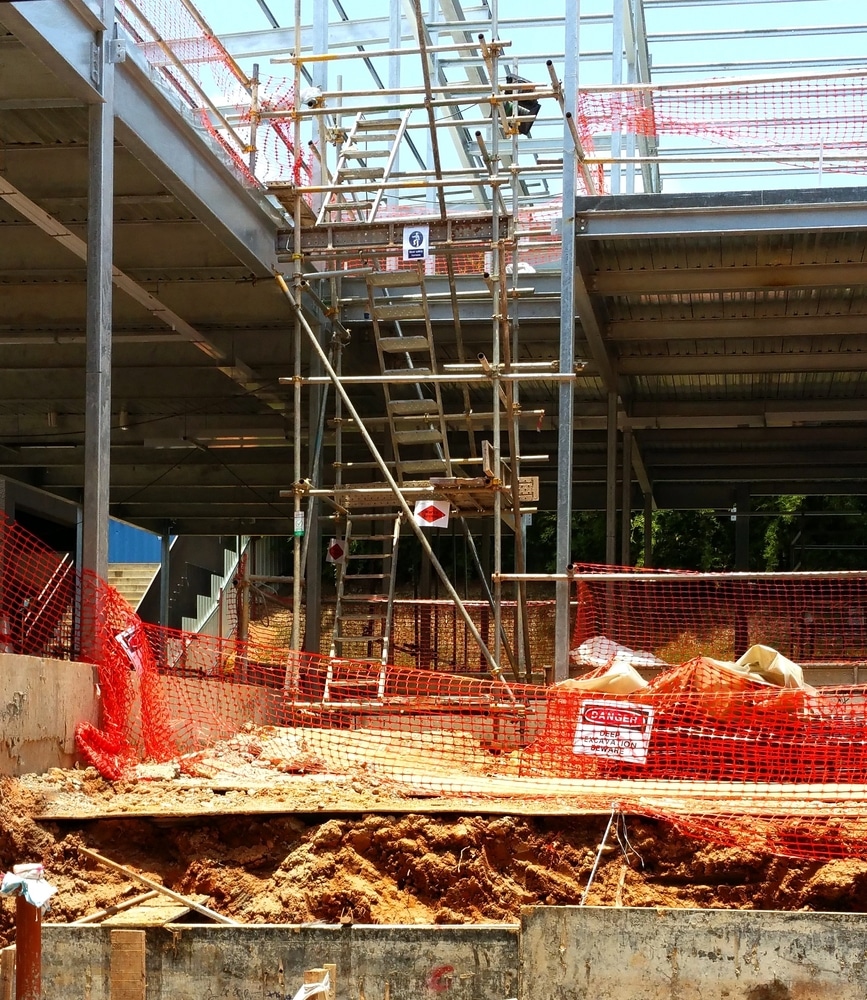
A mobile scaffolding tower is not a universal replacement for professional scaffolding. It may not be suitable where the ground is sloping, soft, uneven or close to excavations. It may also be unsuitable where the work involves heavy materials, long continuous elevations, roof access, chimney work, public protection or a need for several trades to use the same access.
Weather is another issue. Outdoor towers can be affected by wind, rain and surface conditions. A tower that is fine inside a warehouse may be unsafe outside on a windy day. If the work is exposed or the height is significant, professional advice should be sought before relying on a mobile access tower.
Why Competence Matters With Mobile Towers
Mobile scaffold towers are often hired because they seem easy to use, but safe use still depends on competence. The person assembling the tower must understand the instructions, the correct sequence, the platform levels, the bracing pattern and the stability requirements. A small omission can make the tower unsafe.
Users also need to understand what not to do. They should not overreach, climb the outside, move the tower while occupied, bridge between towers, overload the platform or ignore uneven ground. Most problems with mobile towers come from poor setup, rushed use or treating the equipment like a larger ladder.
When To Ask A Scaffolding Contractor Instead
If the job is straightforward, low-risk and short-duration, a mobile tower may be practical. If the job involves a roof, several elevations, public access, difficult ground, heavy materials or a long programme, a scaffolding contractor can advise whether fixed scaffold is more suitable. This is particularly important for homeowners who are unsure what access their roofer, painter or maintenance contractor needs.
Good access planning prevents false economy. A tower that is moved constantly, feels unstable or cannot reach the work comfortably can slow the job and increase risk. A fixed scaffold may look like the larger option, but for some projects it can be safer, more efficient and easier for trades to use.
Common Mistakes With Mobile Scaffold Towers
One of the most common mistakes is choosing a tower only by height and ignoring the ground, working space and task. A tower that reaches the area is not necessarily suitable if the user has to lean, if the base is awkward, or if the platform is too small for the job. Another mistake is assuming that a tower can be moved casually whenever it is in the way. Each move should be treated as a fresh setup, with brakes, stabilisers, level and surrounding hazards checked again.
People also underestimate how easily a mobile tower can become cluttered. Tools, paint trays, fixings, small materials and cables can quickly reduce safe working space. A tower platform should not become a storage shelf. The user needs enough room to stand, turn and work without stepping around loose items. If the task needs more materials than the platform can sensibly hold, a different access arrangement may be needed.
How To Decide Whether Hiring One Makes Sense
Hiring a mobile scaffold tower can make sense when the task is short, clearly defined and located in a space where the tower can be assembled correctly. It is often a good choice for internal decorating, ceiling work, shop maintenance, warehouse lighting, low-level exterior repairs and other jobs where the access point changes but the general working area remains controlled.
It makes less sense when the work is likely to expand. If a quick gutter repair becomes full roofline replacement, or a localised inspection reveals a longer stretch of work, the tower may no longer be the right access solution. Before hiring, think about the full scope of the job rather than the first task alone. A scaffolding contractor can help decide whether tower hire or fixed scaffold will be safer and more cost-effective.
FAQs
Can a mobile scaffold tower be used outside?
Yes, many mobile scaffold towers can be used outside, but the ground, weather and height must be suitable. The surface should be firm and level, the castors must be locked, and any required stabilisers should be fitted correctly.
Outdoor use needs more caution because wind and rain can affect stability and footing. If the job is high, exposed or near a road, pavement or roof edge, fixed scaffolding may be a better choice.
Can you move a mobile tower while someone is on it?
No. A mobile scaffold tower should not be moved while someone is standing on the platform. Tools and loose materials should also be removed or secured before the tower is repositioned.
The tower should be moved carefully from ground level, on a suitable surface, and then checked again before use. Castors must be locked before anyone climbs back onto the platform.
Is a mobile scaffold tower better than a ladder?
For many tasks, a mobile scaffold tower is safer and more practical than a ladder because it gives a stable platform and guardrails. It is useful when work takes longer, needs both hands or covers a wider area.
A ladder may still be suitable for short, low-risk access, but it should not be used as a substitute for a proper working platform where the task requires stability, tools or repeated movement.
Do mobile scaffold towers need inspecting?
Mobile scaffold towers should be checked after assembly, after movement, after alteration and before use. The user should make sure the components are correctly fitted, the castors are locked and the tower is stable.
For workplace use, inspection duties may be more formal depending on the situation. Even on a domestic job, a simple visual check is not enough if the tower has been assembled incorrectly.