Replacing ridge tiles might seem like a straightforward task, but it often raises an important question—do you need scaffolding to ensure the job is done safely and efficiently? As roofing projects go, replacing ridge tiles can be quite tricky due to their location and the potential risks involved. Whether you’re a professional roofer or a determined DIY enthusiast, understanding the role of scaffolding in roof repairs is crucial for both safety and success.
Do You Need Scaffolding To Replace Ridge Tiles?
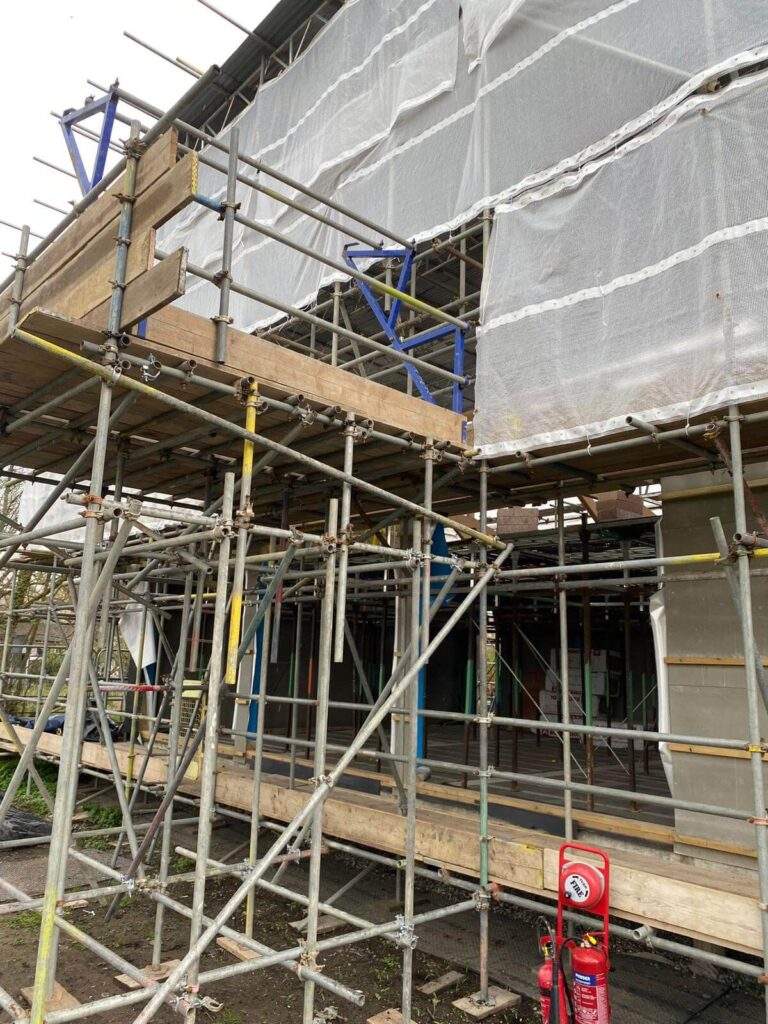
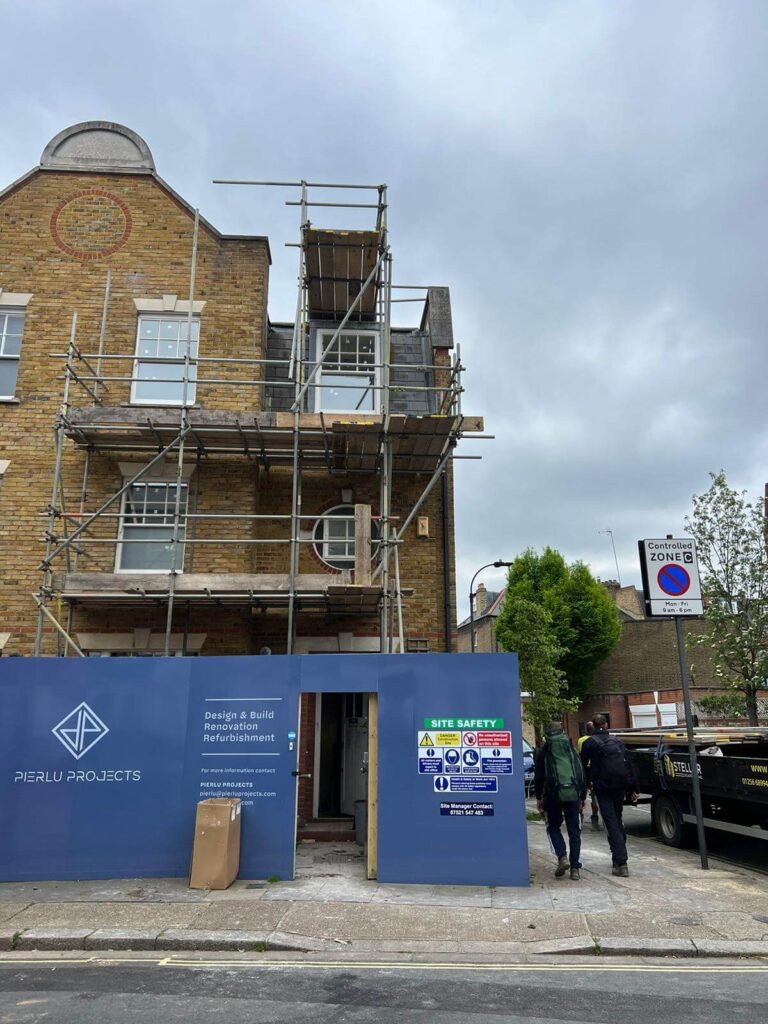
When considering any roof repair work, especially involving ridge tiles which are positioned at the apex of your roof, safety should always be your top priority. Working at height inherently involves risks that cannot be overlooked. Scaffolding provides a stable platform from which to work, drastically reducing the risk of falls or accidents during the tile replacement process. Unlike ladders or temporary platforms, scaffolding offers comprehensive support across more significant areas of your roof, allowing you to carry out repairs with greater security and less stress.
Scaffolding offers unparalleled adaptability when dealing with uneven ground surfaces around your property or complex roof structures with varying pitches and angles. It can be customised to fit snugly around your home’s contours and provide access even in the most awkward spots. This flexibility not only enhances safety but also improves efficiency by enabling workers to move freely along the ridge without constantly repositioning ladders or makeshift platforms.
From an economic standpoint, some homeowners may baulk at the idea of hiring scaffolding due to perceived high costs. However, weighing these costs against potential savings in time and reduced risk of injury or damage is essential. Hiring professionals who bring their equipment can sometimes include scaffold hire as part of their service package, thus ensuring everything needed is available on-site without additional hassle for you. Moreover, the convenience factor significantly offsets initial expenses if you’re handling multiple repairs simultaneously—such as gutter cleaning or chimney maintenance.
Additionally, using scaffolding might actually enhance the quality of your work on ridge tiles. With secure footing and easy access provided by scaffolds, you can take care with each tile placement or removal, ensuring they align perfectly for effective weatherproofing—a crucial factor, especially as these tiles form part of your home’s primary defence against elements like wind-driven rain.
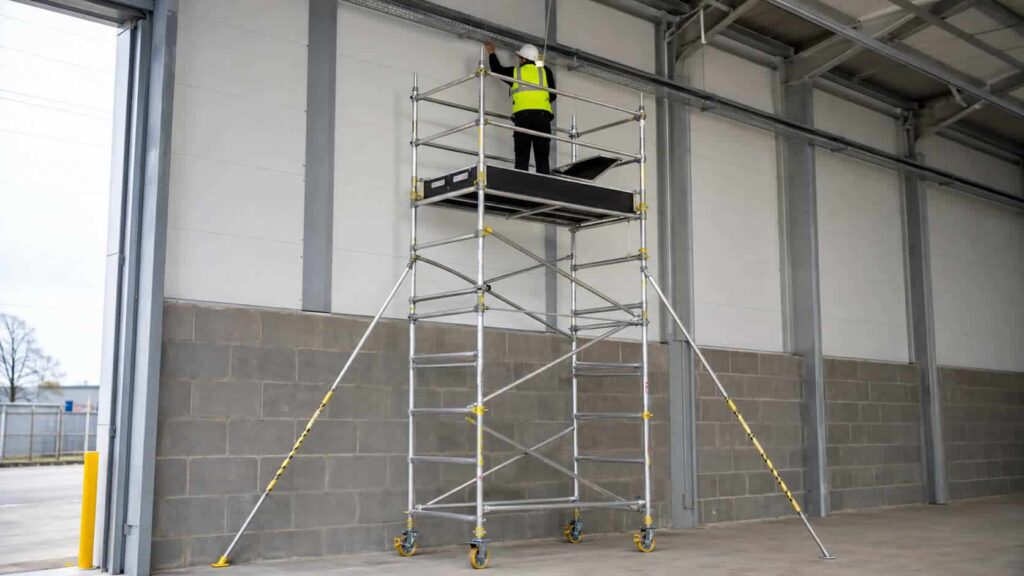
However, alternatives to full-scale scaffolding might suffice in some situations—particularly for smaller homes with low roofs where working at height poses less danger. In such cases, mobile towers or specialised ladder systems equipped with safety rails might adequately serve purposes similar to fixed scaffolding, albeit on a more limited scale. Yet caution should still be exercised; continually assess each situation based upon individual site conditions, including ground stability near walls, before deciding if skipping traditional scaffold setups is feasible.
Is it Legal to Work on a Roof Without Scaffolding?
Working on roofs involves significant risk, making safety a top priority. Whether or not scaffolding is legally required depends on several factors, including the nature of the task, the height of the roof, and the risk assessment carried out beforehand. Here’s a detailed explanation to guide you:
The Legal Framework
According to the Work at Height Regulations 2005 in the UK, employers and those in control of work at height are legally required to prevent risks to workers. This legislation doesn’t explicitly mandate scaffolding in all scenarios but insists that appropriate safety measures be in place to minimise the risk of falls.
Key legal points include:
- Risk Assessment: A comprehensive risk assessment must be conducted to evaluate the hazards involved and determine the safest method to carry out the work.
- Fall Prevention: If working on a roof is unavoidable, adequate measures to prevent falls—such as edge protection, guardrails, or scaffolding—must be considered.
- Appropriate Equipment: The equipment chosen (scaffolding, cherry pickers, or harness systems) must be suitable for the specific task and conditions.
When Scaffolding May Not Be Needed
It is not always necessary to erect scaffolding, provided other appropriate safety measures are implemented. For instance:
- Short-Duration Work: For tasks lasting a very short period, such as replacing a single roof tile, other safety precautions like roof ladders or harnesses may suffice.
- Low-Level Roofs: For roofs at low heights where the risk of severe injury is minimal, alternative equipment could be used.
- Access Platforms: Mobile elevated work platforms (MEWPs) or cherry pickers can be employed instead of traditional scaffolding in certain situations.
Why Scaffolding is Often Recommended
While not always mandatory, scaffolding is frequently the safest and most practical choice for working on roofs. It provides:
- Comprehensive Edge Protection: Reducing the risk of falling from the roof or platform.
- Stable Working Conditions: Allowing workers to carry out tasks efficiently without compromising safety.
- Compliance Assurance: Demonstrating a commitment to meeting health and safety legislation, which helps avoid potential legal consequences.
Employer’s Responsibility
Employers are obligated to provide the necessary training, equipment, and safety measures for employees working at height. Failing to do so can result in legal action under the Health and Safety at Work Act 1974.
Do roof repairs always need scaffolding?
When undertaking roof repairs, one common question property owners have is whether scaffolding is always necessary. The answer depends on various factors, including safety requirements, the nature of the repair, and local regulations.
Factors Influencing the Need for Scaffolding
- Safety Considerations
Safety is the most important factor when working at height. Scaffolding provides a stable work platform, reducing the risk of falls and accidents. Even small repairs can become hazardous without adequate precautions. If the repair involves significant movement or long periods of time on the roof, scaffolding is strongly recommended.
- Type and Extent of the Repair
Minor repairs, such as replacing a single tile or sealing a small leak, may not always require scaffolding. These tasks might be completed safely with a sturdy ladder and proper safety gear if they are near the roof’s edge. On the other hand, more extensive work, such as re-roofing or chimney repairs, almost always necessitates scaffolding to ensure both safety and efficiency.
- Building Height and Accessibility
The height and accessibility of the property significantly impact the need for scaffolding. For single-story buildings with easy roof access, scaffolding might not be essential for minor repairs. However, for multi-story buildings or properties with steep or hard-to-reach roofs, scaffolding becomes crucial for providing secure access for workers and their tools.
- Legal and Regulatory Requirements
Local regulations often dictate when scaffolding is required for roof work. For example, in the UK, the Health and Safety Executive (HSE) has stringent guidelines on working at height that often necessitate scaffolding, particularly for professional contractors. It’s essential to consult these regulations or liaise with your contractor to ensure compliance.
Alternatives to Scaffolding
While scaffolding is one of the safest options, alternatives such as roof ladders, harness systems, and cherry pickers may be suitable for specific situations. However, these alternatives come with limitations and must be used by trained professionals to ensure safety standards are met.
How much does it cost to replace ridge tiles in the UK?
Ridge tiles play a vital role in the structural integrity and weatherproofing of your roof. Located at the roof’s highest point, they cap the ridge where two slopes meet, protecting your home from water ingress and wind damage. Over time, these tiles may become loose, cracked, or displaced due to age, weather exposure, or storm-related damage. Replacing them promptly is essential to avoid further damage to your property.
Factors Influencing the Cost of Ridge Tile Replacement
The cost of replacing ridge tiles in the UK varies depending on several factors, including:
- Number of Tiles Replaced
The total cost will depend on whether individual tiles need replacement, or if the entire ridge line requires attention. Individual tile replacement is less expensive, while full ridge reinstallation involves more materials and labour.
- Roof Accessibility
Roofs with difficult access or steep pitches may require additional equipment, such as scaffolding, which can increase costs.
- Type of Ridge Tiles
Ridge tiles come in various materials, including concrete, clay, and slate. Clay and slate tiles tend to cost more than concrete due to their premium appearance and longer lifespan.
- Labour Costs
Labour costs will vary by region, with prices generally higher in urban areas such as London. On average, roofing specialists charge between £150 and £250 per day.
- Additional Repairs
If underlying roof structures, such as mortar bedding or timber batons, are damaged, these will also need repair or replacement, contributing to the overall expense.
Average Costs of Ridge Tile Replacement in the UK
To provide a general guideline, here are the typical costs associated with ridge tile replacement:
- Single Tile Replacement: £100 to £150
This includes the cost of one tile, materials for securing it, and labour.
- Rebedding Ridge Tiles Along the Entire Roof Ridge: £400 to £750
This involves removing old mortar, rebedding the tiles, and repointing with fresh mortar.
- Installing Dry Ridge Systems: £500 to £1,000
A dry ridge system offers a weatherproof, maintenance-free alternative to mortar bedding. The cost includes specialised ridge tiles, a dry ridge system kit, and labour.
Keep in mind that these figures are averages, and the actual costs may differ based on your unique requirements.
Steps to Replace Ridge Tiles
If you’re planning to replace ridge tiles, a professional roofing contractor typically follows these steps:
- Inspection
The contractor assesses the extent of the damage to determine how many tiles need replacing and if additional repairs are necessary.
- Tile Removal
Damaged tiles are safely removed, along with any failing mortar or debris.
- Preparation
The ridge is prepared for new tiles, including cleaning and repairing the bedding or installing a dry ridge system.
- Tile Installation
New or salvaged tiles matching your existing roof are securely fixed in place using quality materials.
- Final Checks
The contractor inspects the ridge to ensure the tiles are correctly aligned and secured, providing you with a long-lasting finish.
If you are searching for Scaffolders in Basingstoke and surrounding areas, contact Stellar Scaffolding for more information.