If you’re planning work on your home or managing a construction project, one of the first questions you’ll ask is simple: how much does it cost to hire scaffolding?
The honest answer is — it depends. But that doesn’t help you budget.
So let’s break it down properly. We’ll walk through real pricing ranges, what affects cost, how long hire typically lasts, and how to avoid paying more than you need to.
By the end, you’ll know what’s realistic — and what’s not.
Average Scaffolding Hire Costs in the UK
For most domestic projects, scaffolding hire in the UK typically ranges between:
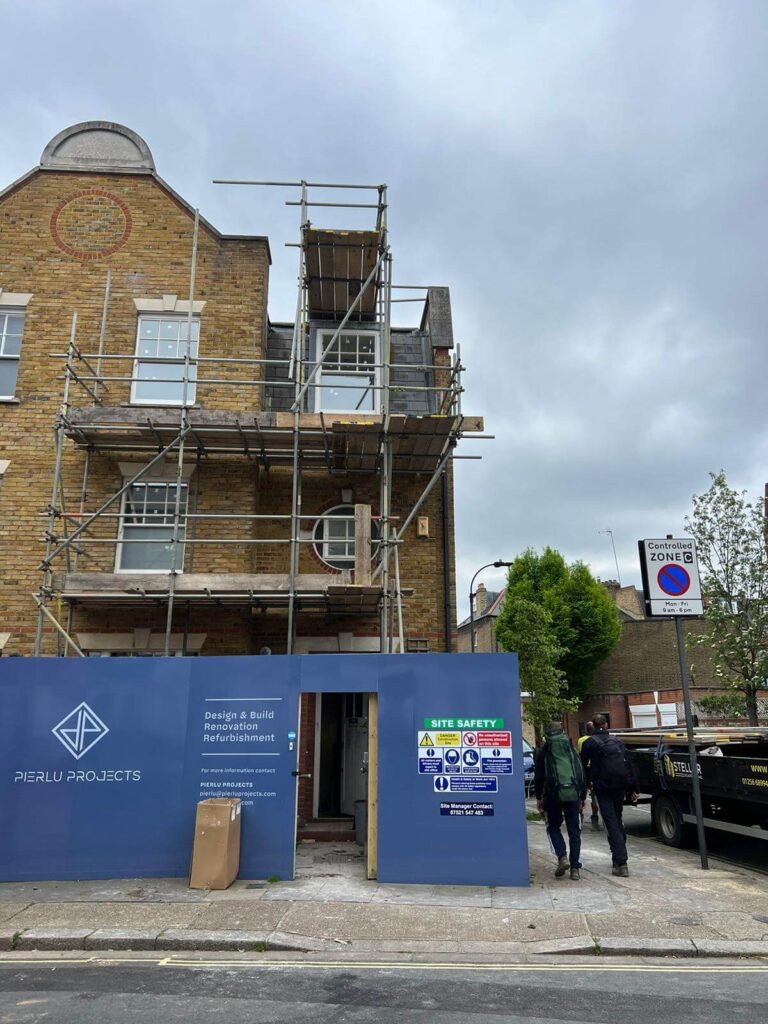
- £600 to £900 for a basic front-of-house scaffold
- £800 to £1,500 for a semi-detached property
- £1,200 to £2,500+ for a full wrap-around scaffold
- £2,000 to £5,000+ for larger or more complex structures
These figures usually include:
- Delivery
- Erection
- Initial hire period (often 4–8 weeks)
- Dismantling
What they don’t always include is extended hire, specialist features, or council permits. We’ll cover those shortly.
What Actually Affects the Cost?
Scaffolding isn’t priced randomly. Several clear factors influence what you’ll pay.
Property Size
The larger the building, the more materials and labour are required. A small terraced house will cost far less than a three-storey detached property.
Height
Working at height increases complexity. Two-storey access is standard. Three-storey or chimney-level scaffolding adds cost because of additional lift levels and safety requirements.
Access Restrictions
If your property is tight on space, near a busy road, or requires materials to be carried manually instead of loaded directly from a lorry, the price rises.
Restricted access means slower build time. Slower build time means higher labour cost.
Duration of Hire
Most scaffolding quotes include a fixed hire period — often around six weeks.
If your project runs longer, weekly extensions are added. These usually range between £50 and £150 per week depending on size.
Planning your works properly can save money here.
Type of Work Being Carried Out
Different jobs require different scaffold setups.
For example:
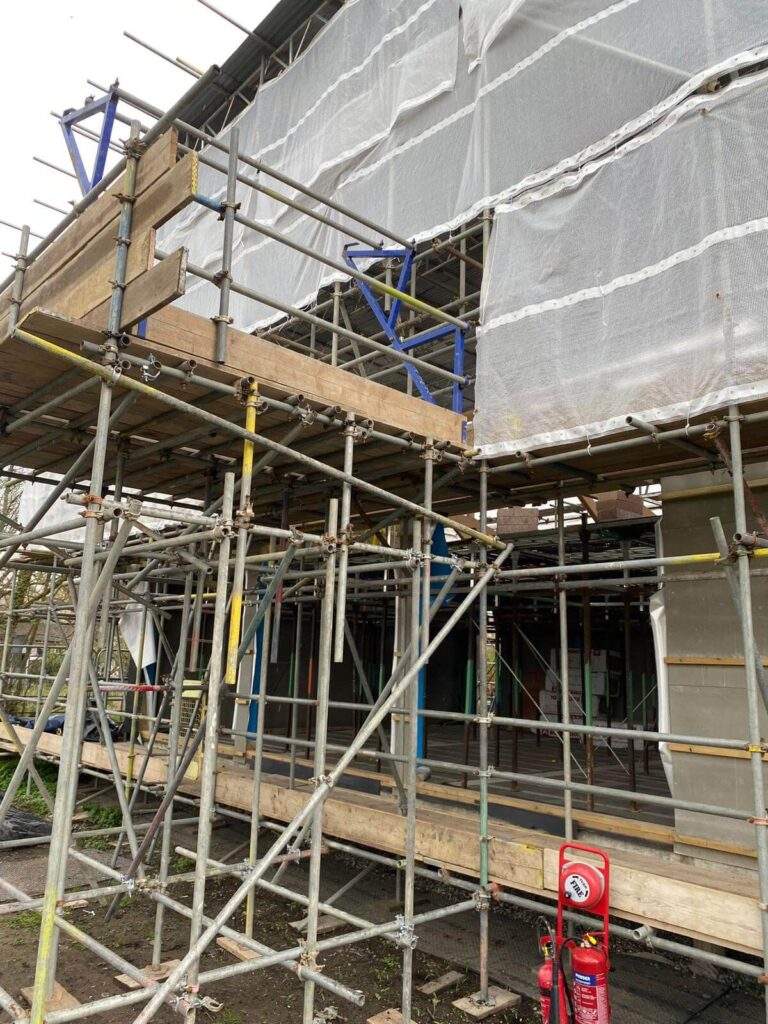
- Roof replacement usually needs edge protection and potentially a temporary roof
- Rendering may require full wrap coverage
- Chimney work might need a focused access tower
- Solar panel installation often needs rear elevation access
The more complex the structure, the more it costs.
How Much to Scaffold a House?
If you’re looking at scaffolding a whole house rather than just one section, costs increase accordingly.
Here’s a rough guide:
- Small terraced house full scaffold: £1,000 to £1,800
- Semi-detached full scaffold: £1,500 to £2,500
- Detached property full scaffold: £2,000 to £4,000+
These prices assume standard two-storey access without specialist additions.
Add a temporary roof and you could see costs increase by £1,000 to £3,000 depending on span and complexity.
What Is Included in a Typical Quote?
A professional scaffolding quote should clearly outline:
- Delivery and erection
- Hire period
- Dismantling
- Public liability insurance
- Safety compliance
Some companies also include:
- Weekly inspections
- Handover certificates
- Risk assessments and method statements
If a quote seems significantly cheaper than others, check what is missing.
Low prices sometimes mean shorter hire periods or excluded dismantling fees.
Do You Need a Council Permit?
If scaffolding sits on a public pavement or road, you will usually need a permit from your local council.
Permit costs vary across the UK but often range from £50 to £300+, depending on location and duration.
The scaffolding company typically arranges this, but it may be charged separately.
If the structure stays entirely on private property, a permit is not required.
Domestic vs Commercial Pricing
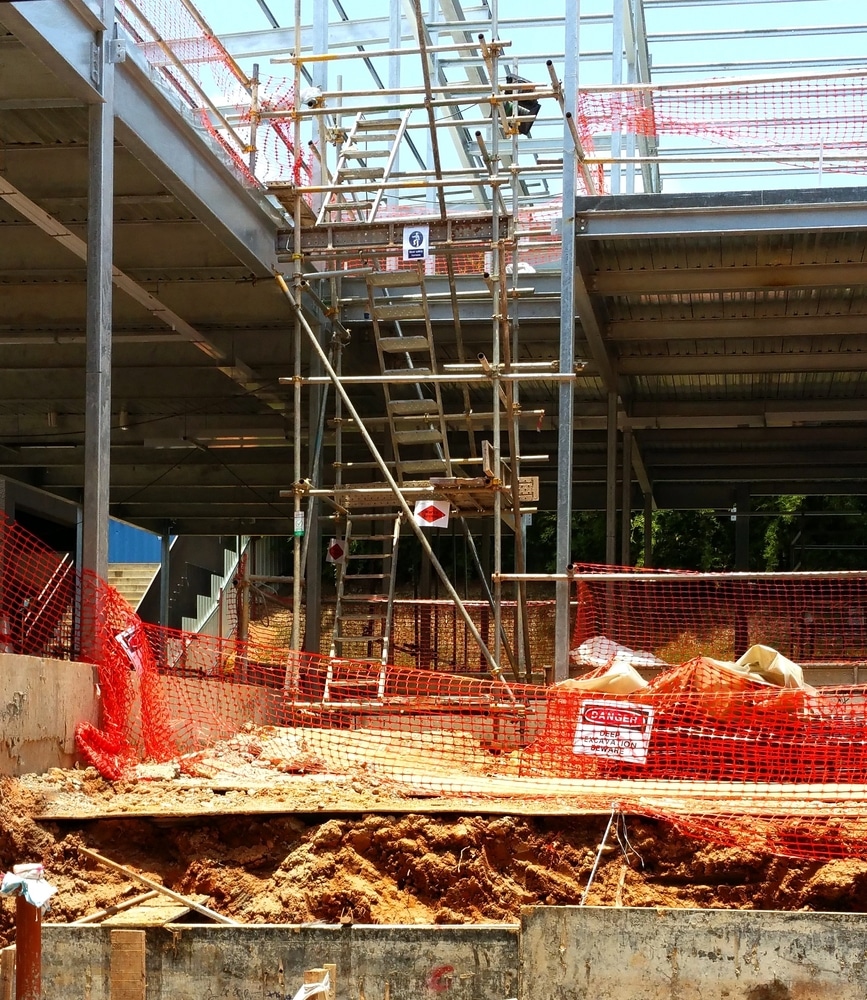
Commercial scaffolding operates on a different scale.
Larger buildings, phased construction, and higher load requirements increase complexity.
Commercial scaffold projects can range from:
- £5,000 for small commercial works
- £10,000 to £50,000+ for major builds
- Six-figure contracts for large developments
Pricing here depends on engineering design, load class, access points, and project length.
Domestic jobs are far more predictable.
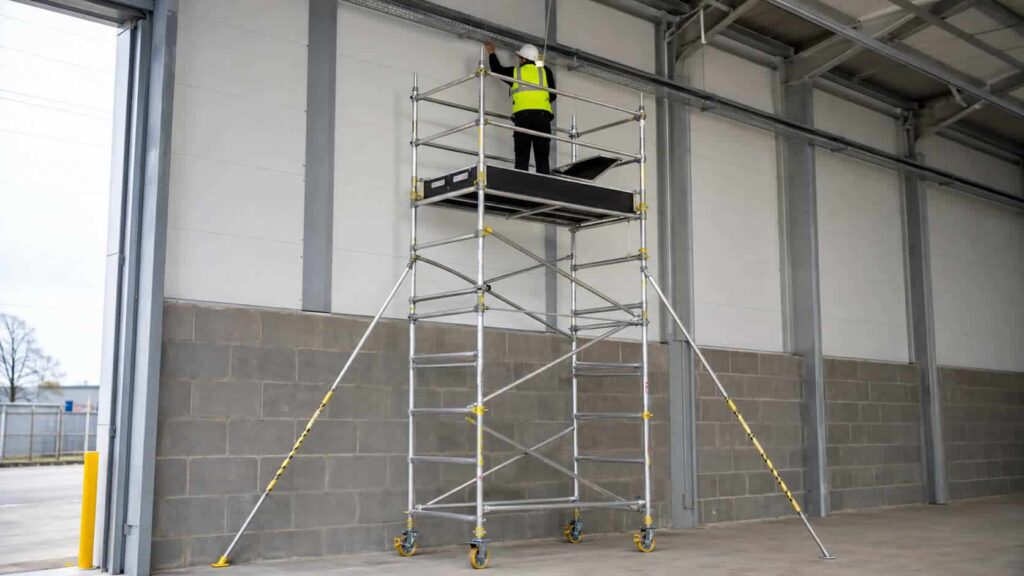
How Much Does It Cost to Hire a Scaffold Tower?
If you only need short-term access for light work, a scaffold tower may be a cheaper option.
Typical hire costs:
- £70 to £150 per week for basic tower hire
- £150 to £300+ for delivery and collection included
However, towers are only suitable for smaller jobs like:
- Gutter repairs
- Painting
- Minor roof work
They are not suitable for full re-roofing or heavy material storage.
Why Prices Vary Between Companies
You might get three quotes and see big differences. That can feel confusing.
Here’s why it happens.
Experience and Compliance
Established companies invest heavily in:
- Qualified scaffolders
- Safety training
- Insurance
- Inspection processes
This adds overhead but protects you from risk.
Material Quality
Compliant scaffold boards, well-maintained fittings, and certified systems cost more than lower-grade alternatives.
Reputation and Demand
Busy, reputable firms often price slightly higher because they can.
But they also deliver reliability and accountability.
Cheap scaffolding can become expensive if it causes delays or safety issues.
Can You Negotiate the Price?
Sometimes, yes.
If your project is flexible on timing and fits neatly between larger contracts, a company may offer a better rate.
But aggressive negotiation rarely works in this industry. Labour and materials have fixed costs.
Instead of pushing price down, focus on:
- Clear hire period
- Transparent extension rates
- Included services
That’s where savings usually happen.
How to Avoid Overpaying
If you want to control your scaffolding cost, follow these simple steps:
- Get at least three quotes
- Ensure all quotes include dismantling
- Confirm the hire period in writing
- Ask about weekly extension fees
- Clarify permit responsibility
- Check insurance cover
Clear communication prevents surprise charges later.
Does Longer Hire Always Mean Higher Cost?
Not necessarily. Many companies price their initial hire period to cover the majority of typical domestic jobs.
Extensions are usually modest compared to the initial erection cost.
The biggest expense is the setup and dismantle — not the time it stands.
That’s why very short jobs do not drastically reduce price. The labour is still required.
What About Temporary Roof Scaffolding?
If your project involves major roof work, especially in winter, a temporary roof structure may be necessary.
Costs can range from:
- £1,000 for small spans
- £3,000 to £10,000+ for large, complex builds
Temporary roofs require additional materials and labour but protect your property from weather damage.
For full roof replacements, they can prevent costly delays.
Safety and Insurance — Why It Matters to Cost
Professional scaffolding companies carry public liability insurance, often £5 million or more.
That insurance protects:
- You
- Your neighbours
- Workers
- Members of the public
Insurance premiums are not cheap. They form part of the pricing structure.
If a quote seems unusually low, always confirm insurance cover.
Is It Worth Hiring Professionals?
Absolutely. Scaffolding must comply with strict safety standards in the UK.
Incorrectly erected scaffolding can lead to:
- Falls
- Structural collapse
- Legal liability
- Project delays
Professional scaffolders understand load distribution, tie patterns, guardrail placement, and safe access design.
That expertise is built into the price — and it’s worth it.
When Should You Book Scaffolding?
Booking early helps secure better availability and smoother project scheduling.
Peak periods include:
- Spring
- Summer
- Early autumn
Winter can sometimes offer slightly better flexibility, but weather conditions may extend hire periods.
Align scaffolding booking with your contractor’s start date to avoid unnecessary extension fees.
Final Thoughts — What Should You Budget?
If you’re planning a standard domestic project, budgeting around £800 to £2,500 will cover most typical requirements.
More complex builds may rise above this, but very small projects may sit below it.
The key takeaway is this:
Scaffolding is not just metal tubes and boards. It is safety, access, and structure.
When priced correctly, it protects your property, your workforce, and your timeline.
Choosing a professional company may cost slightly more upfront, but it reduces risk, avoids disruption, and ensures compliance.
If you’re unsure what your project might cost, the best step is simple — request a detailed quote, ask clear questions, and compare properly.
That way, you move forward informed, not guessing.